Coaching Through Crisis
In 2016, tragedy struck a casino in Metro Manila when a lone armed man entered the complex and set fire to gambling tables and slot machines inside the casino area. Smoke quickly filled the building, and panic spread as guests and employees struggled to understand what was happening and find their way out. In the chaos, 37 people lost their lives—most from smoke inhalation as they tried to escape or hide—while thousands more were left deeply shaken.
In the days and weeks that followed, the impact revealed itself in a different form: trauma. Survivors - many of them employees - reported intense panic responses triggered by ordinary sounds like banging doors, sudden movements, or anything resembling smoke or confinement. Sleep became difficult. Normal work routines became overwhelming.
The body remembered what the mind was still trying to process:
One survivor remembered being able to get away while a friend was left behind and did not survive.
Another survivor - a once strong woman who was extremely independent and recounted the story of chasing down her husband with a wandering eye with a bolo, could not bear being alone.
ChangeStation was called in.
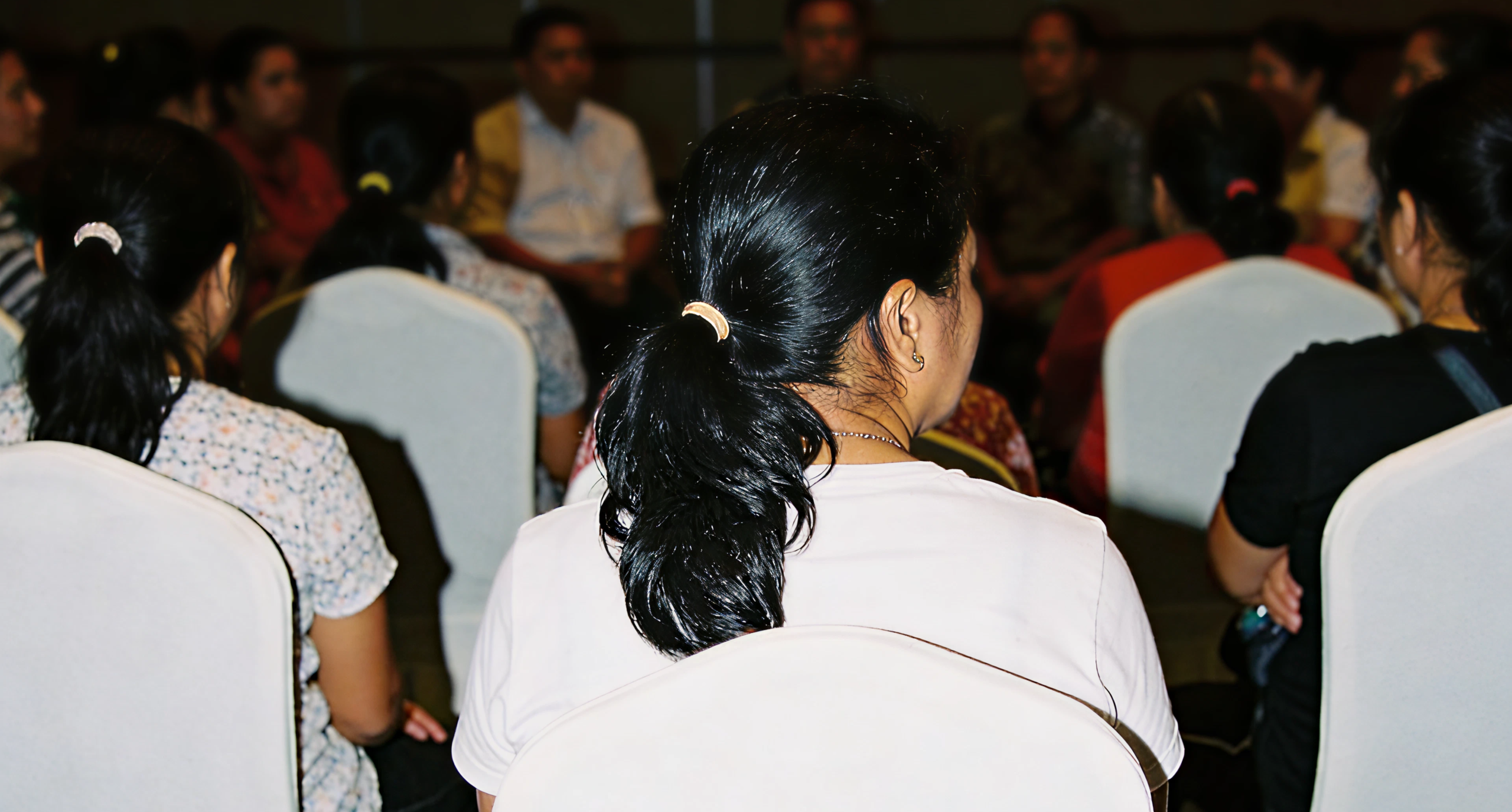
What followed was a 4-day intensive intervention—morning and afternoon sessions—working not only with survivors, but also with frontliners, hotel staff, top management, and even funeral home teams who were handling the aftermath of the tragedy. We coached individuals as well as held plenary sessions for 300 people at a time to remind them that they were stronger than one man. They were more than one evening.
We didn’t just deliver training. We created structured spaces for emotional stabilization, grounding, and psychological first aid in the middle of a workplace still carrying shock.
Survivors who could not function, who flinched at sound and struggled with sleep, began slowly returning to work and daily routines.
Not because the trauma disappeared.
But because, for the first time since the incident, it was finally held, understood, and given a place to move through instead of being carried alone.