Aligning with Established NGOs
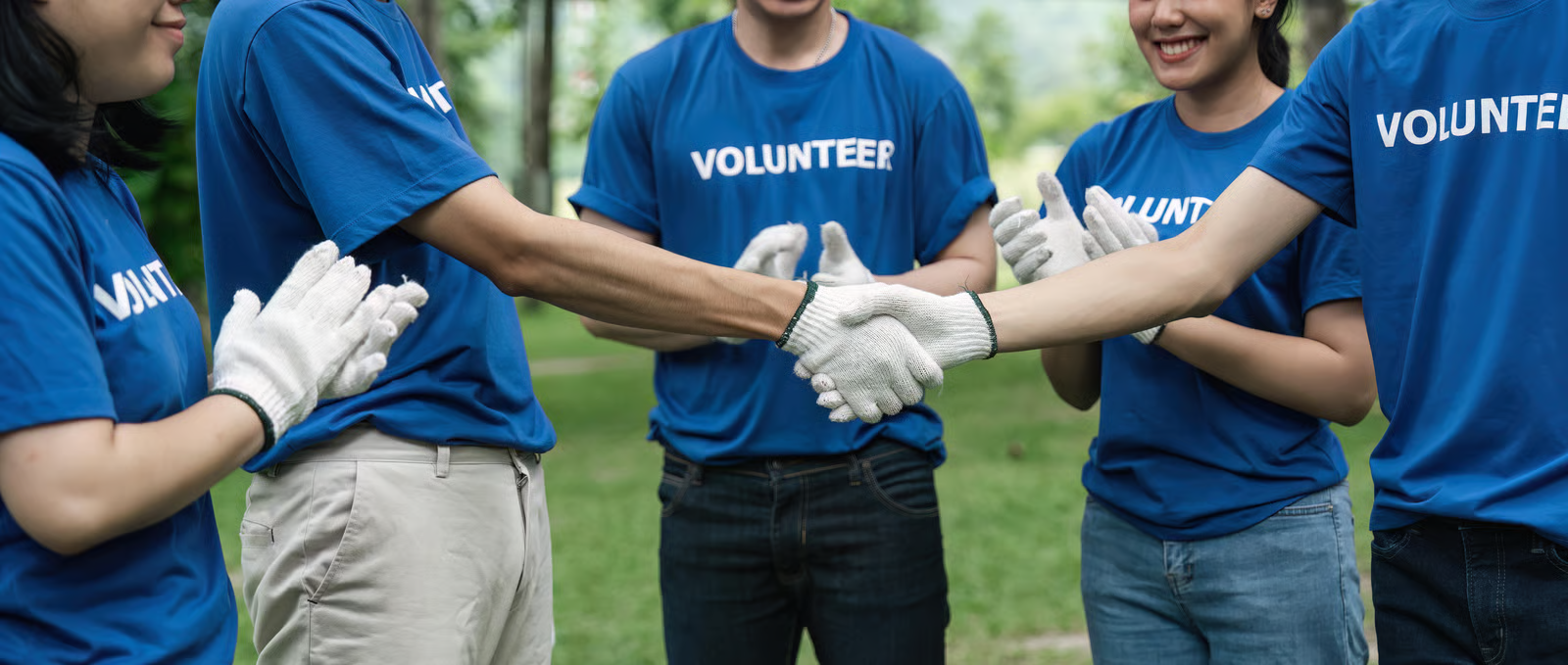
We now channel our work through established organizations that already have strong systems on the ground—particularly AHA Learning Center and Better World.
Because the groundwork is already deeply embedded in these communities, our role becomes very specific: we step in to contribute our core expertise in empowerment, communication, and human development—helping strengthen what is already there rather than replace it.
In Better World Tondo and Smokey Mountain, we work directly with both local volunteers and mothers (nanays), focusing on strengthening community capability from within. With the youth in Smokey Mountain, one of the key interventions we facilitate is the creation of empathy circles—structured spaces where young people learn to listen, express, and understand one another in environments that have often lacked emotional safety.

In Better World Cubao, our work is centered on the LeadHer program, a leadership initiative designed specifically for mothers. Here, we use a “Train the Trainer” approach—where we don’t just build skills, but intentionally equip mothers to become facilitators and leaders themselves within their own communities. The goal is replication, not dependency.
With Project Pearls, which supports sexually abused and highly vulnerable girls, our contribution focuses on rebuilding agency. We work on practical life and survival skills—helping these young women explore how to stabilize themselves, understand their strengths, and begin pathways into livelihood, whether through small business thinking, creative expression, or arts and crafts that can become sources of both healing and income.
We also work in alignment with partners like the Yellow Boat of Hope Foundation, which bridges access gaps for children who need transportation just to reach school, and Let’s Read Pilipinas, which supports literacy and learning access for underserved children.
Across all of these, the pattern is the same: we are not entering to start something new—we are entering to strengthen what already exists.
The “Loose Change” Philosophy for Corporate CSR
When we engage corporate partners for CSR support, we approach it with a very grounded and intentional mindset—not driven by scale for its own sake, but by clarity of impact.
In many corporate spaces, we often hear about CSR budgets reaching “300 million.” And in those conversations, our perspective is deliberately different. As we often say:
“Hindi namin hihingin yun. Nasa 30,000, 300,000 lang kami… pero sige, 3 million, game.”
It is not about minimizing ambition—it is about staying realistic, focused, and aligned with execution.
We operate on a simple belief: we don’t need the biggest slice of the pie to create meaningful change. Sometimes, what transforms communities is not massive allocation—but consistent, well-directed “barya” from systems that are already large enough to sustain impact at scale.
Makati Medical Center (MMC): Empathy for the Exhausted
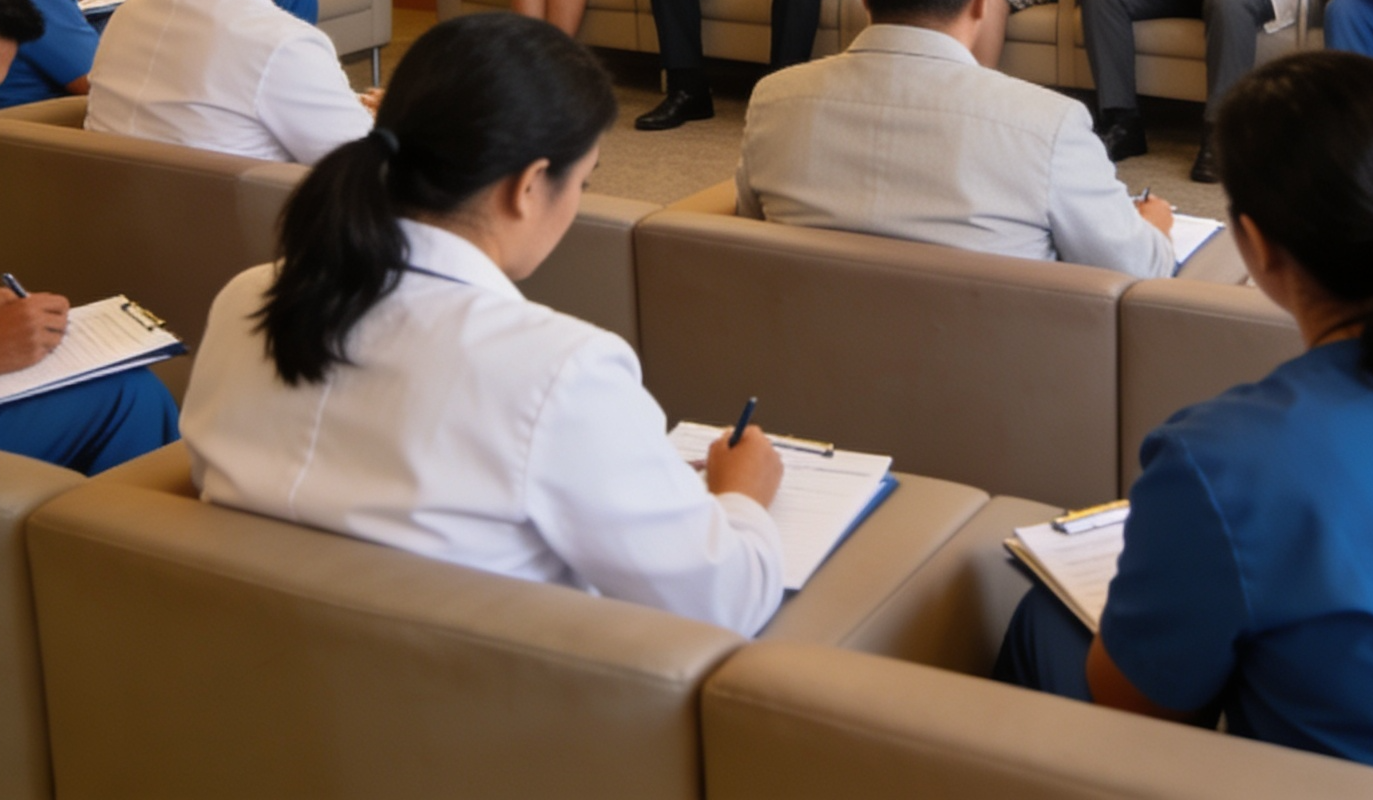
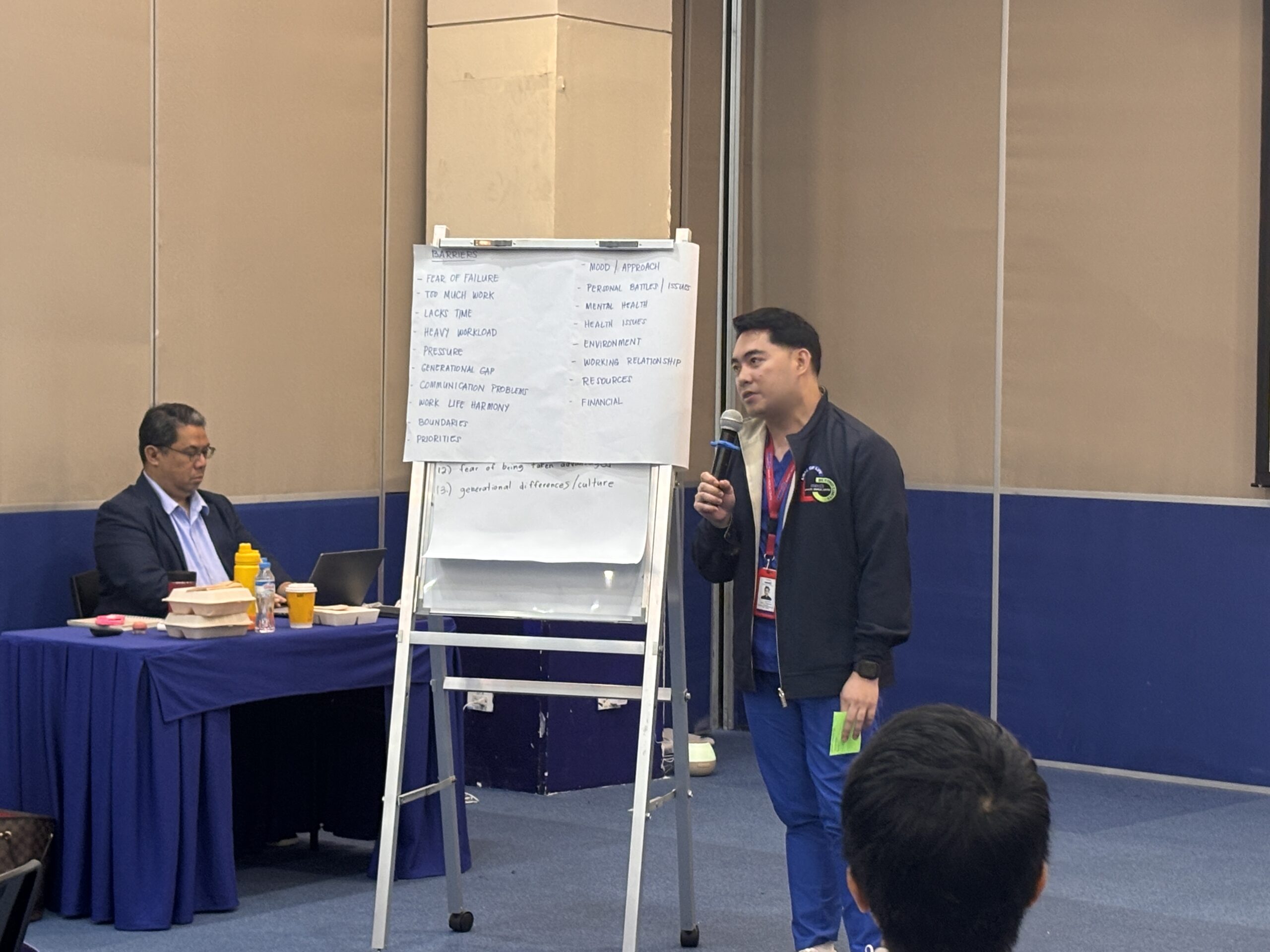
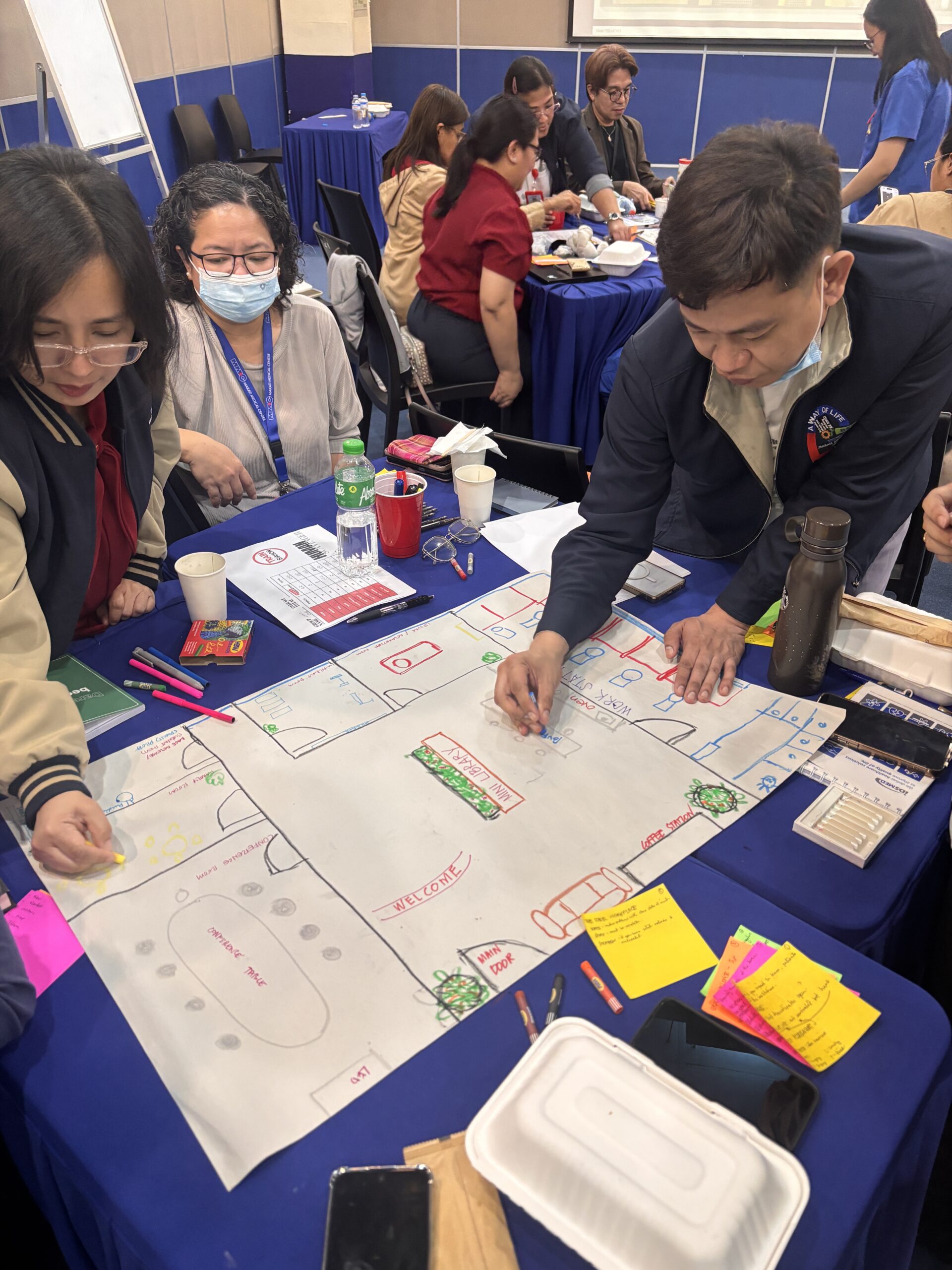
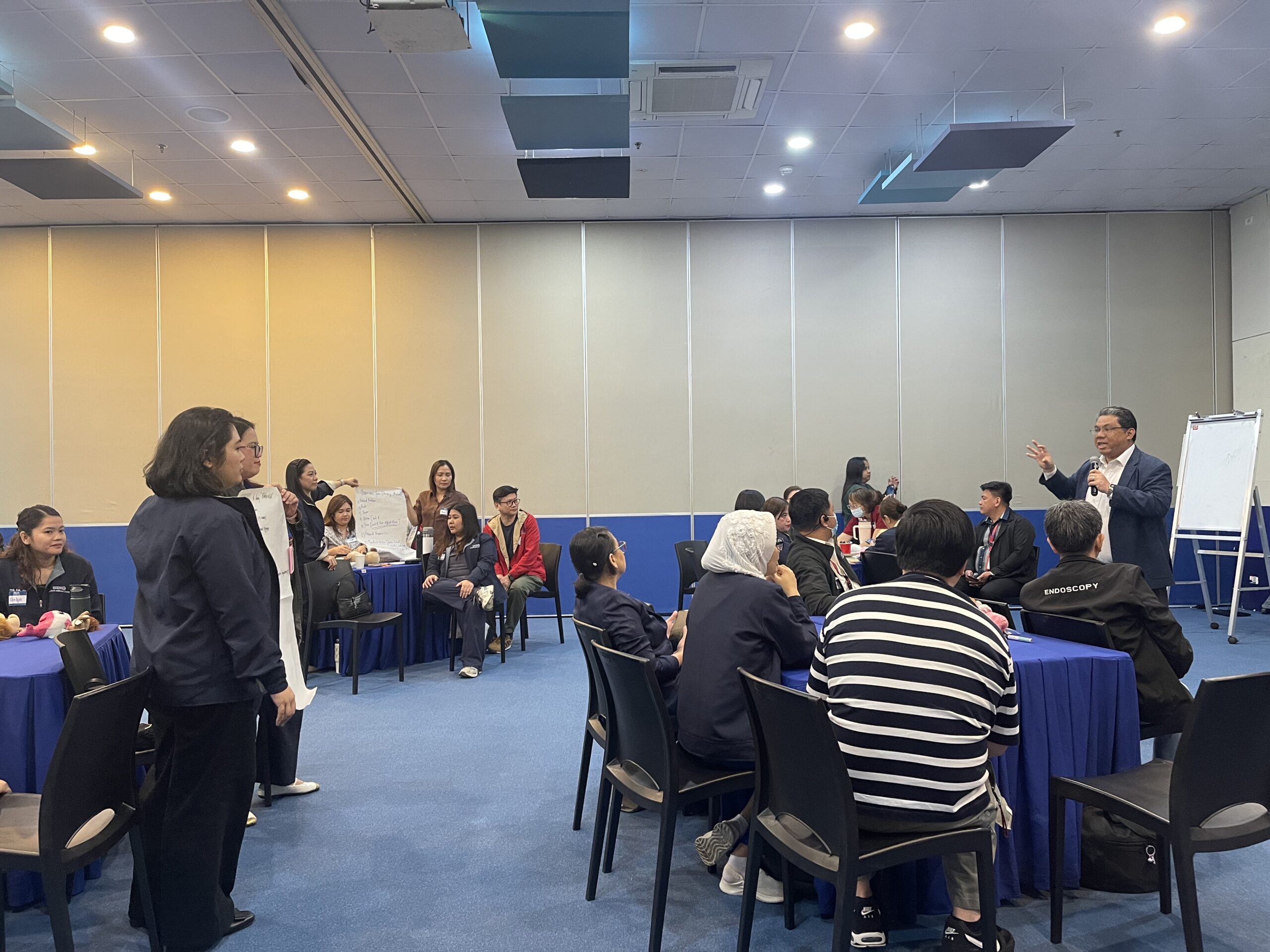
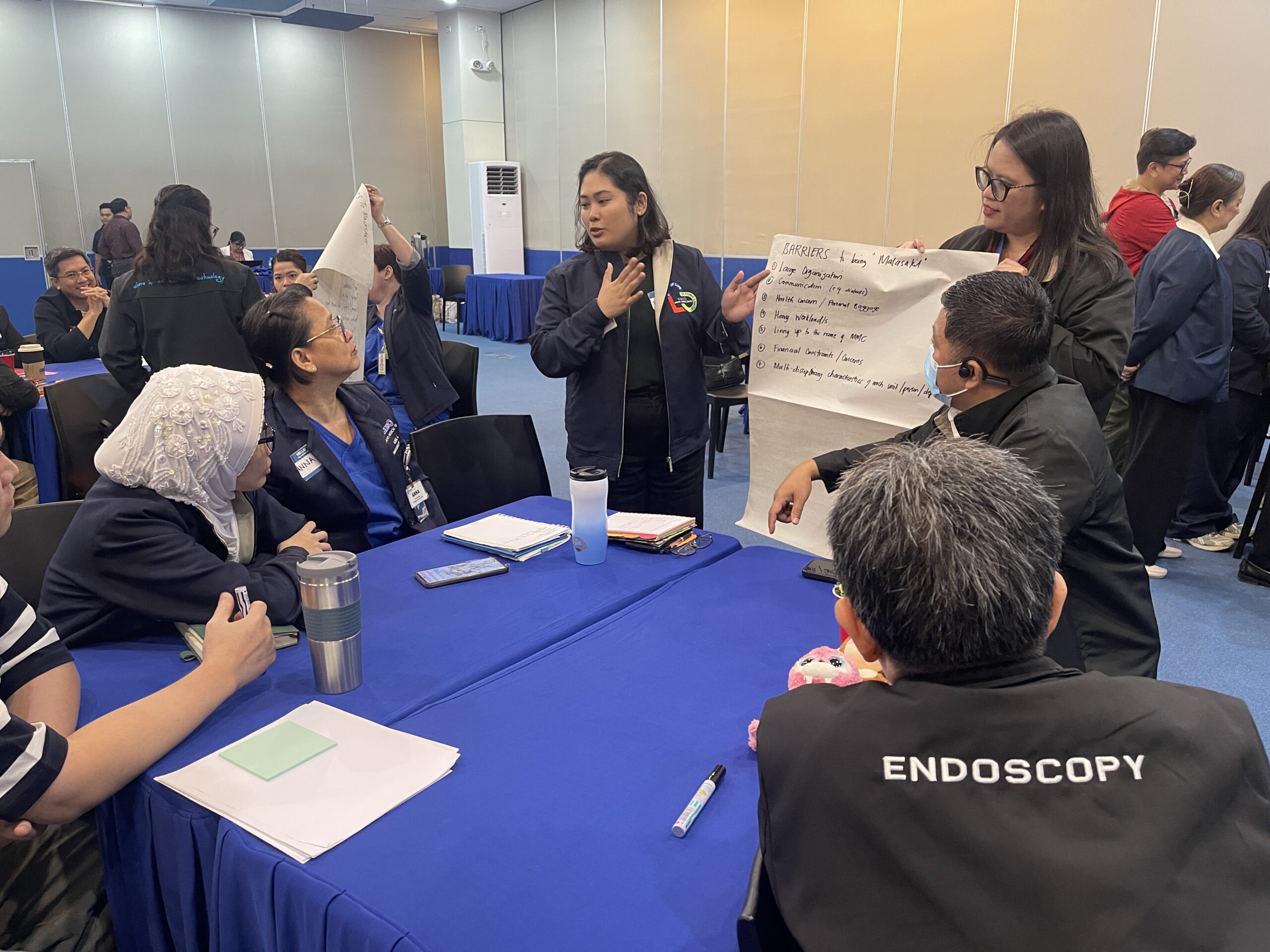
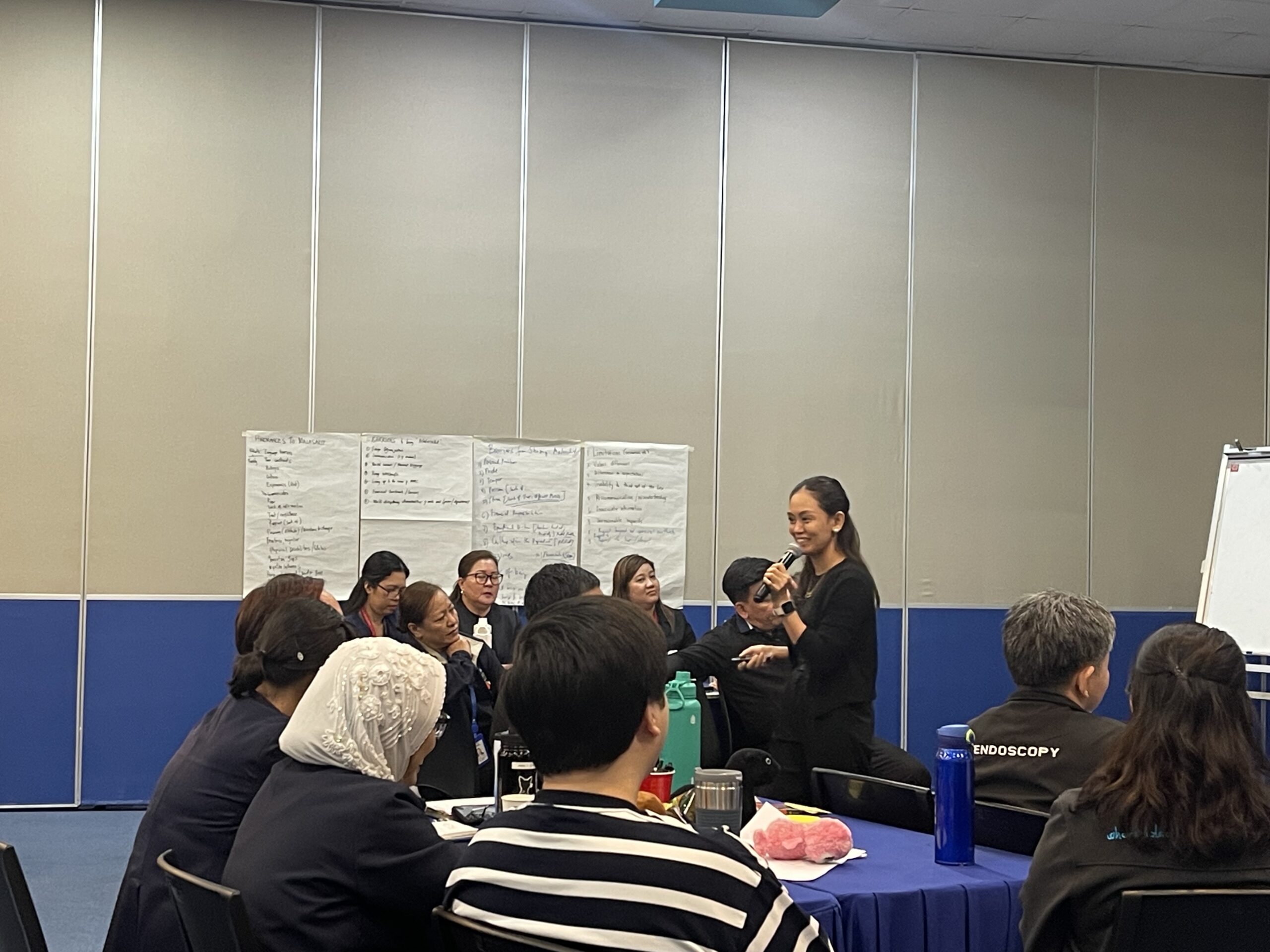
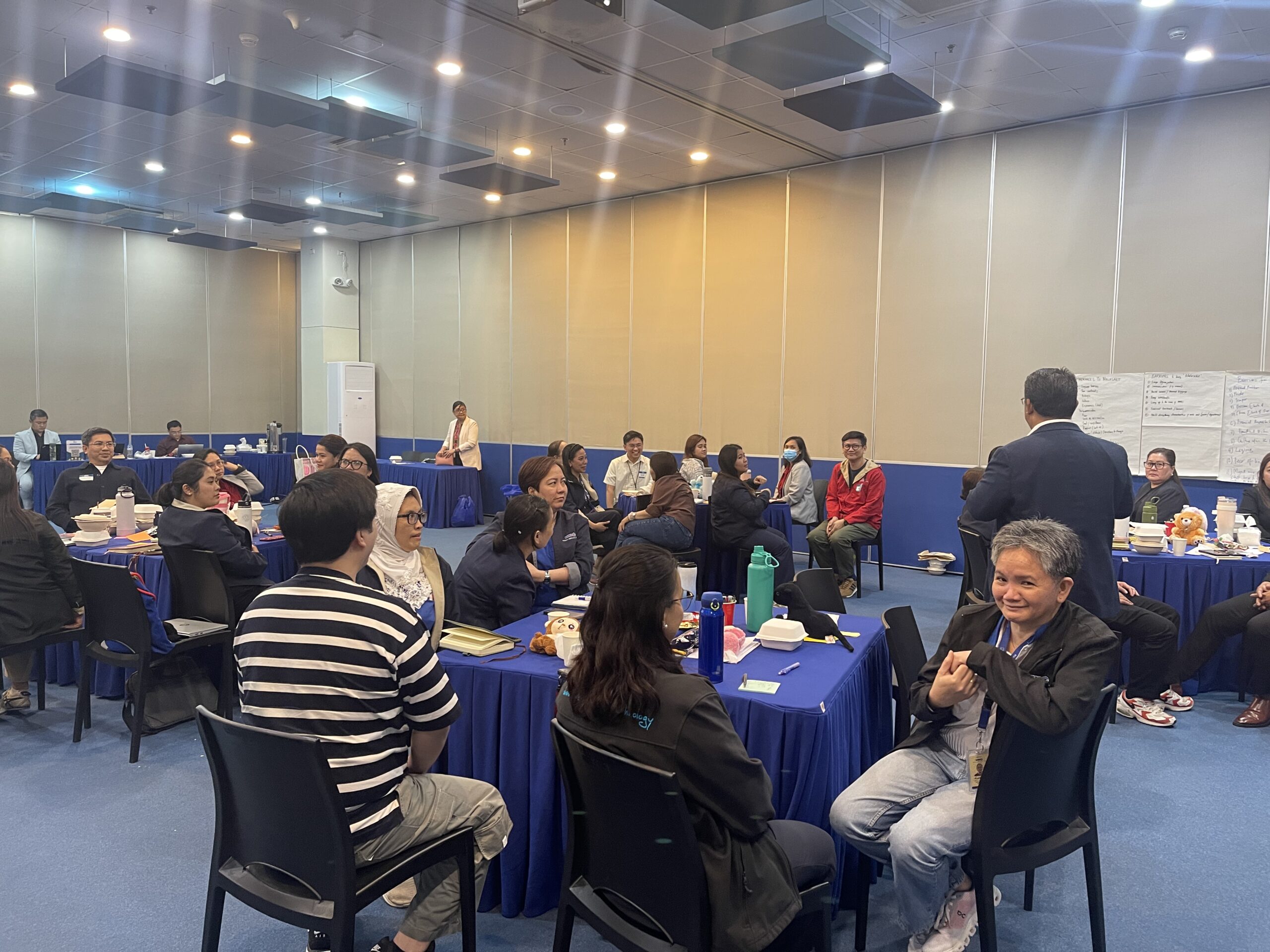
One of the most meaningful corporate engagements we’ve done in 2026 is with Makati Medical Center (MMC), where the focus is not just on customer service—but on rebuilding what it means to carry compassion in environments of constant pressure.
MMC already had strong institutional values on paper—professionalism, integrity, service excellence—but leadership wanted something deeper: a shared, lived understanding of malasakit, not as a word, but as a way of being that cuts across every level of the organization.
So we began with alignment—from top leadership down. The intention was to cascade the same language and mindset across doctors, nurses, and frontline staff. But as the work moved downward through the organization, something important became clear: the experience of each layer was very different, especially for those in emergency rooms and high-intensity care units.
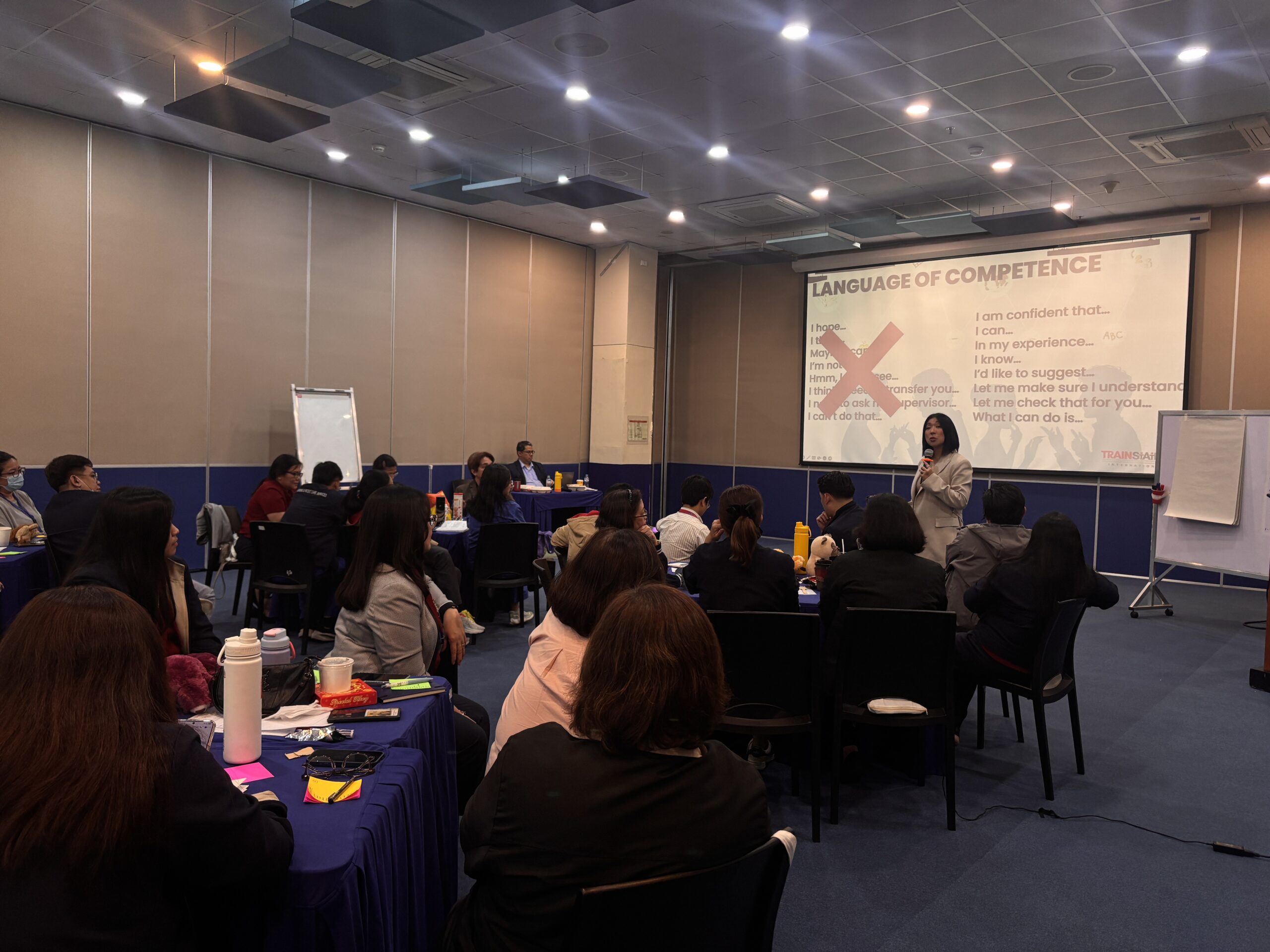
We also learned quickly that delivery matters just as much as content. In one instance, one of our sessions became too academic—too heavy, too lecture-based. It didn’t land with the energy of the environment we were in. Because when you are working with people coming off long ER shifts, exhaustion is already part of the room.
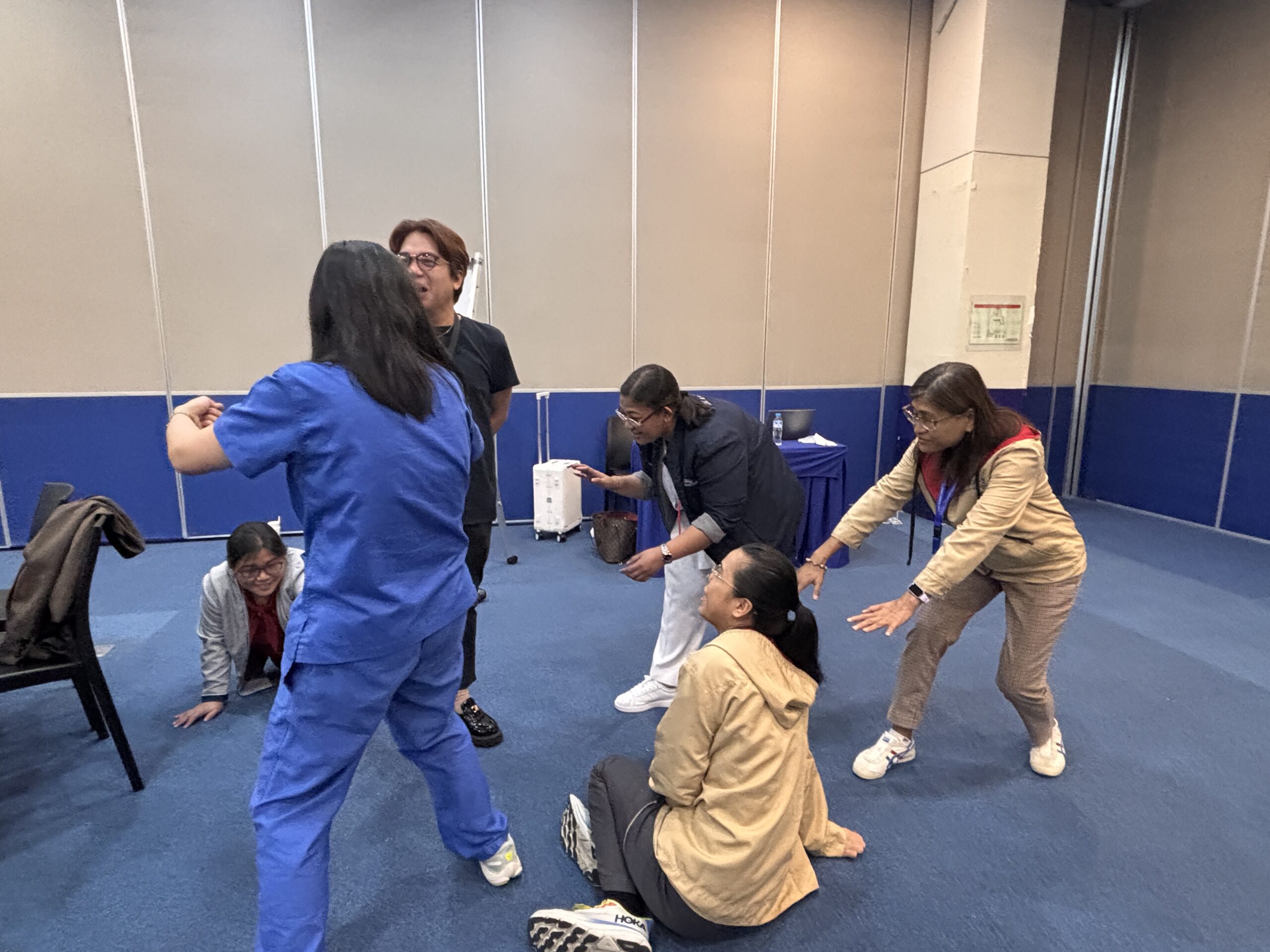
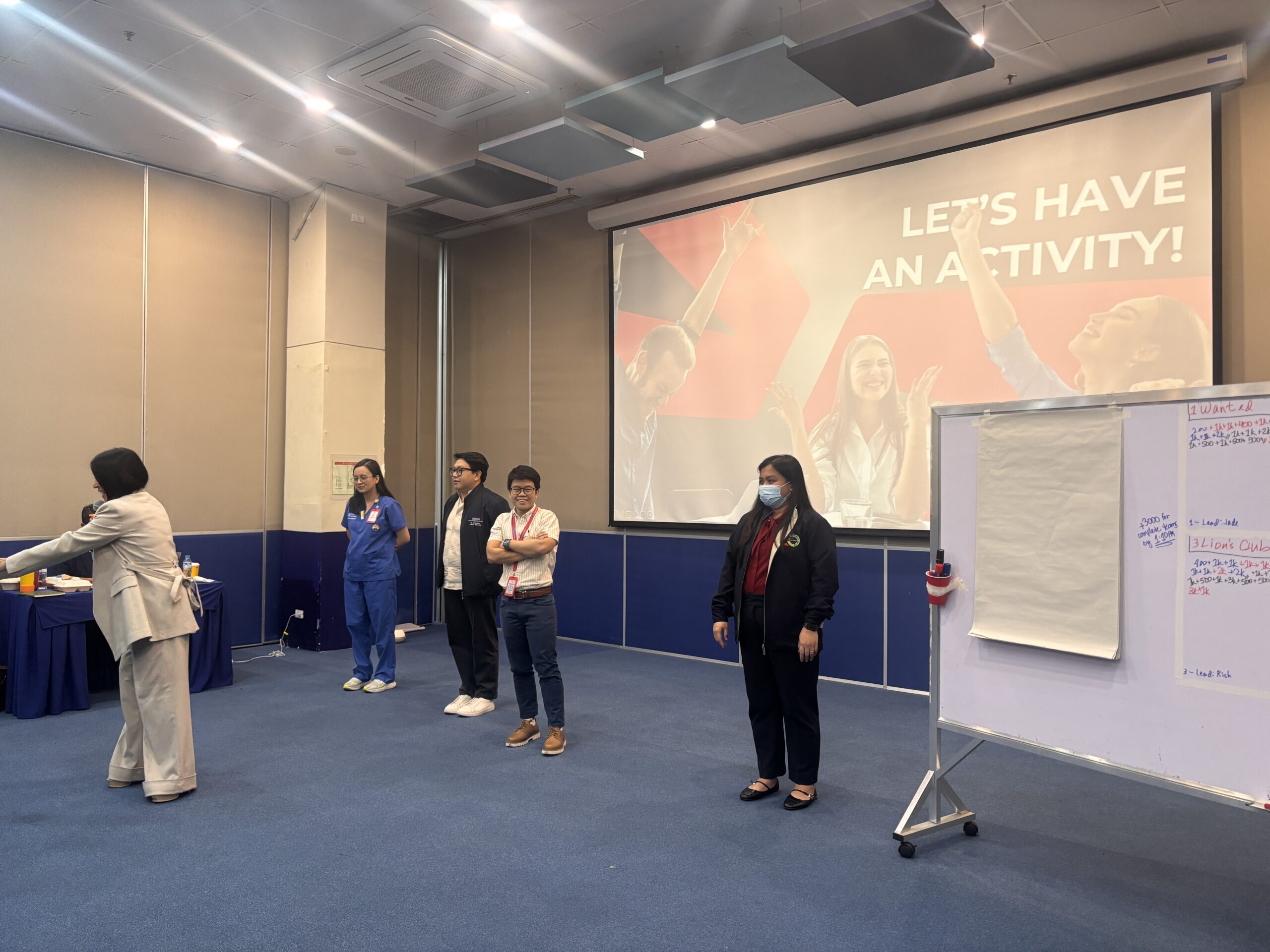
What they don’t need is more weight—they need activation, energy, and connection. The approach has to feel more like a live, human exchange than a classroom lecture.
At the core of the MMC work was a simple but powerful message:
“Let us take care of you, kasi pagod kayo.”
Because before we ask frontline workers to continue giving care, we first need to acknowledge that they are already depleted from constantly giving it.
The work is not just about skills.
It is about replenishment.
Because when the people who serve are emotionally resourced again, they don’t just perform better—they reconnect with why they chose to serve in the first place.