Hope in the Ruins
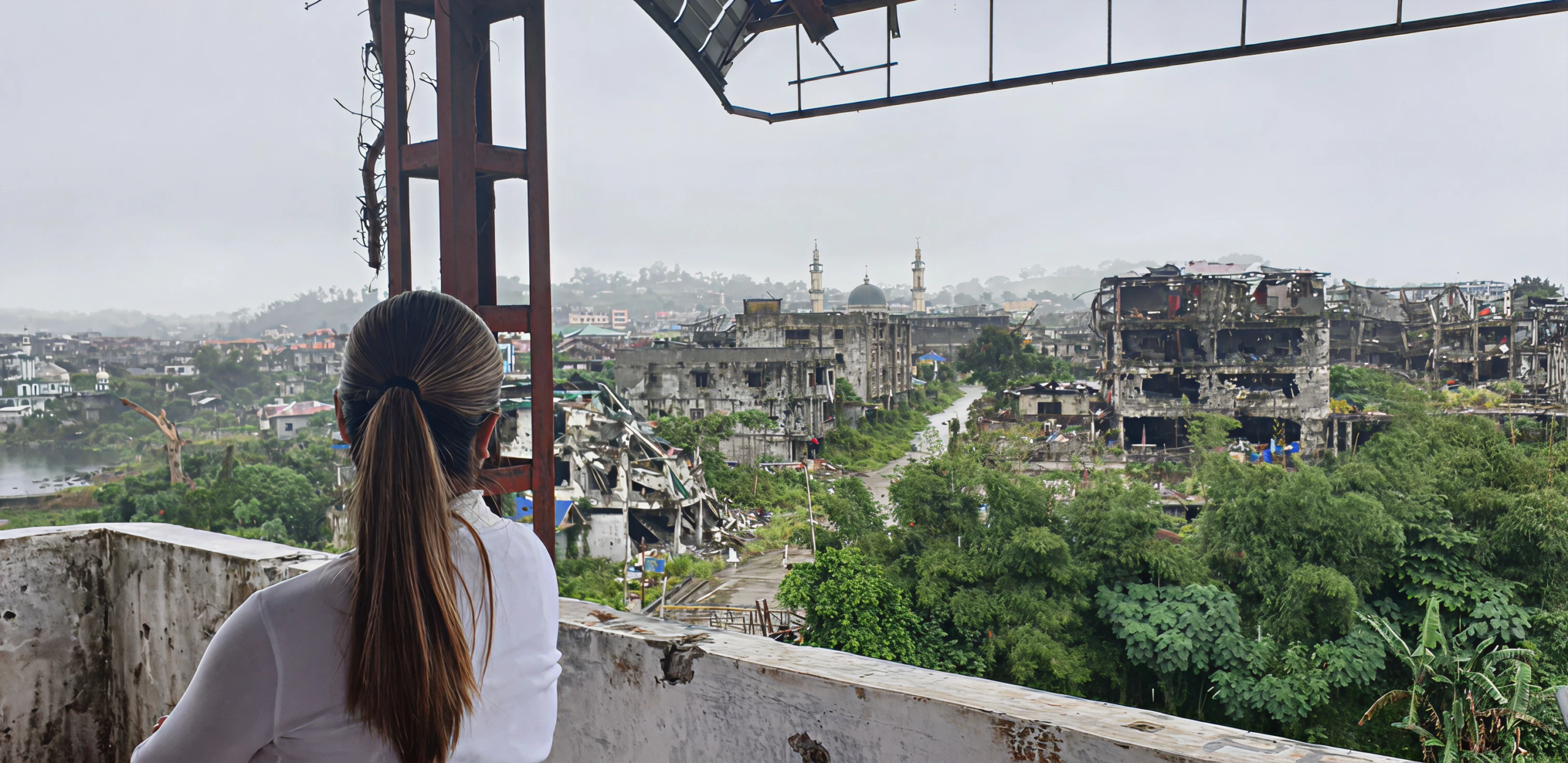
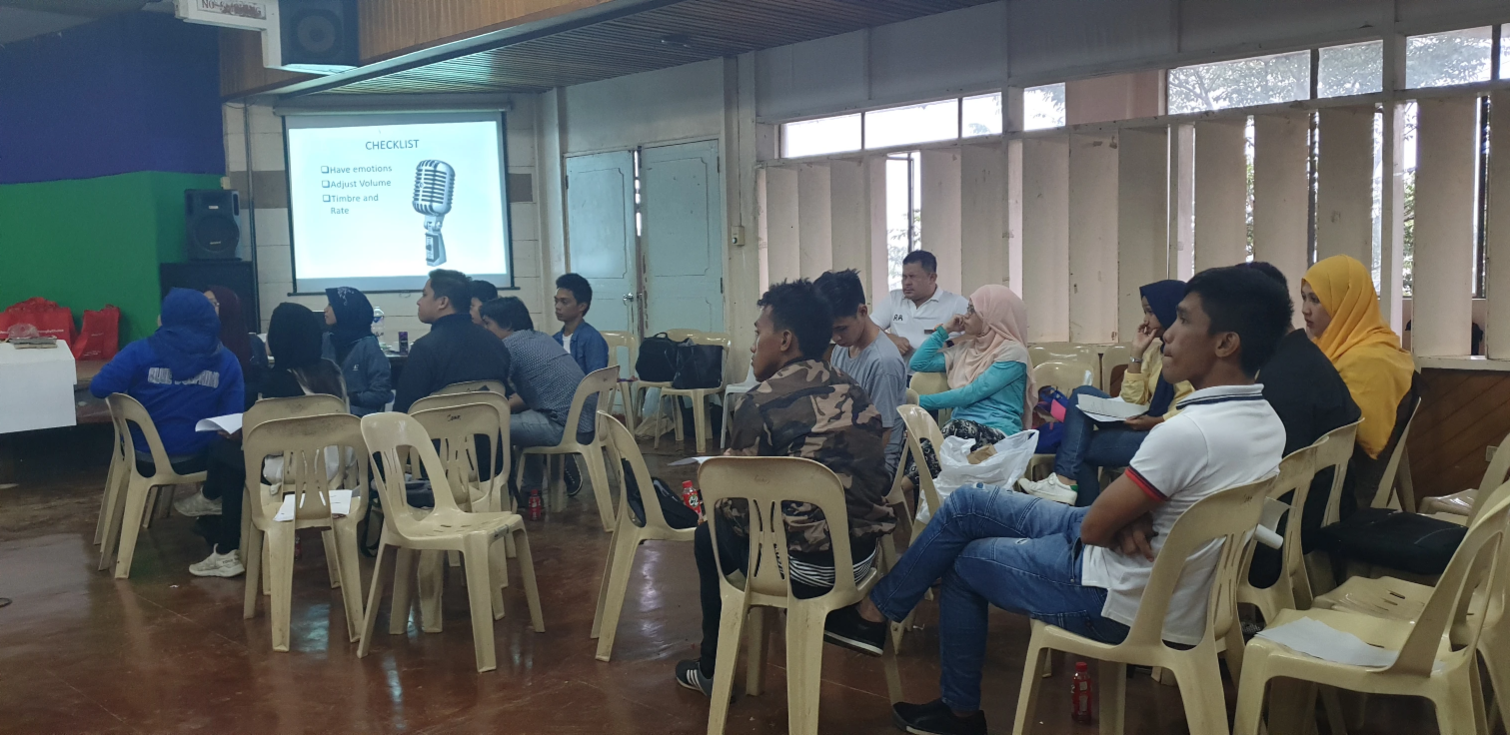
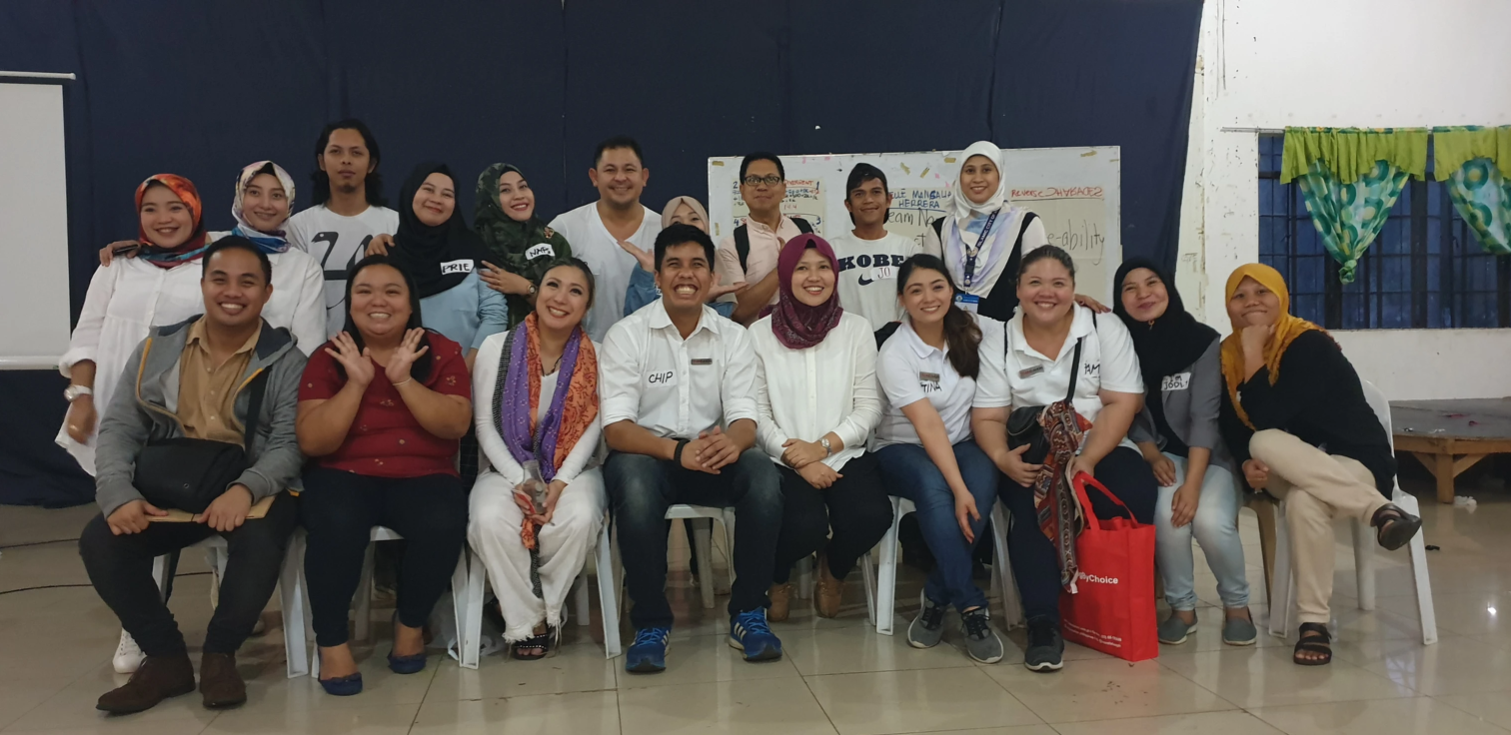
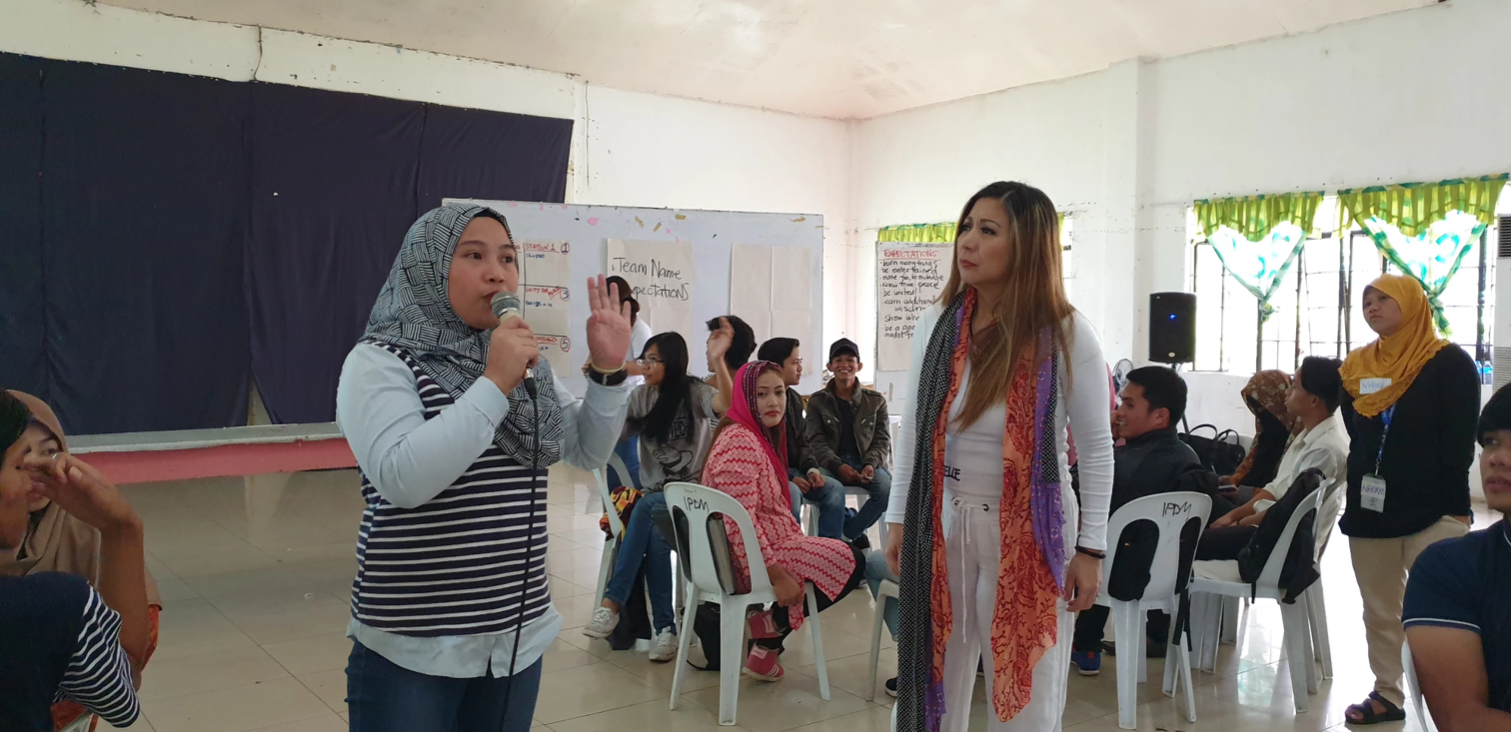
In 2018, the work began on the ground—not first in Marawi itself, but in Iligan, where thousands of displaced families and responders had gathered. The team started by meeting the people carrying the heaviest invisible weight: first responders, teachers, doctors, volunteers—those expected to hold everyone else together while they themselves were already overwhelmed.
Before anything else, they needed space to breathe.
Many of them were operating in survival mode—exhausted, emotionally saturated, unsure how to process what they were seeing and hearing every day. So the first work was not “training” in the traditional sense. It was grounding. It was emotional stabilization. It was creating a structure where people could begin to notice what was happening inside them without being consumed by it.
We worked on wellbeing and communication—not as abstract concepts, but as practical tools for survival inside crisis environments. How do you speak when everything around you is unstable? How do you listen when your own nervous system is on alert? How do you create even a small pocket of psychological safety in a place where safety itself has been taken away?
Because before anyone could support others, they needed to stop collapsing under the weight of their own unprocessed fear.
From Iligan, the work deepened. The team returned multiple times—bringing RR and Carelle back into the field—continuing to support the ecosystem of volunteers and responders who were rotating through the crisis. Each return revealed the same truth: people were showing up, but they were tired in ways that sleep could not fix.
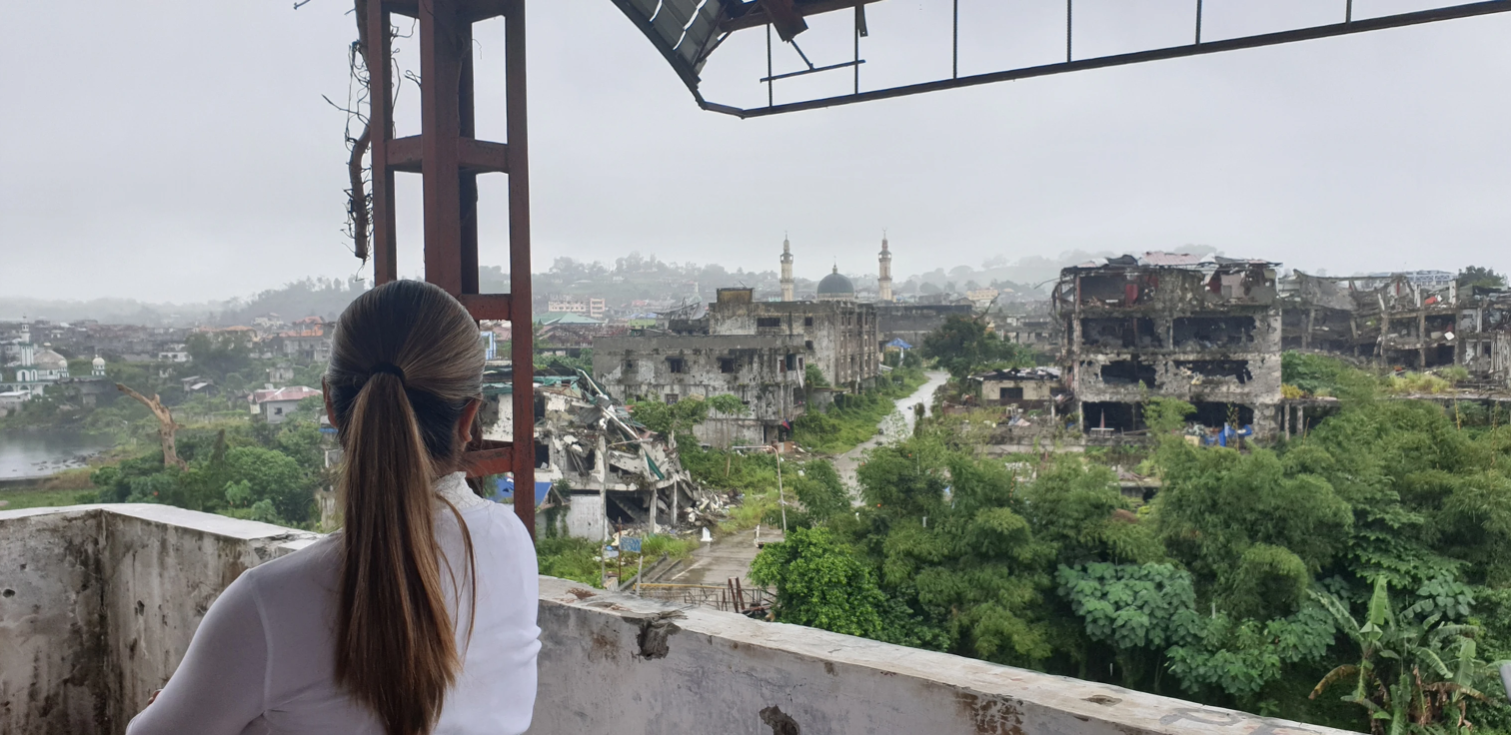
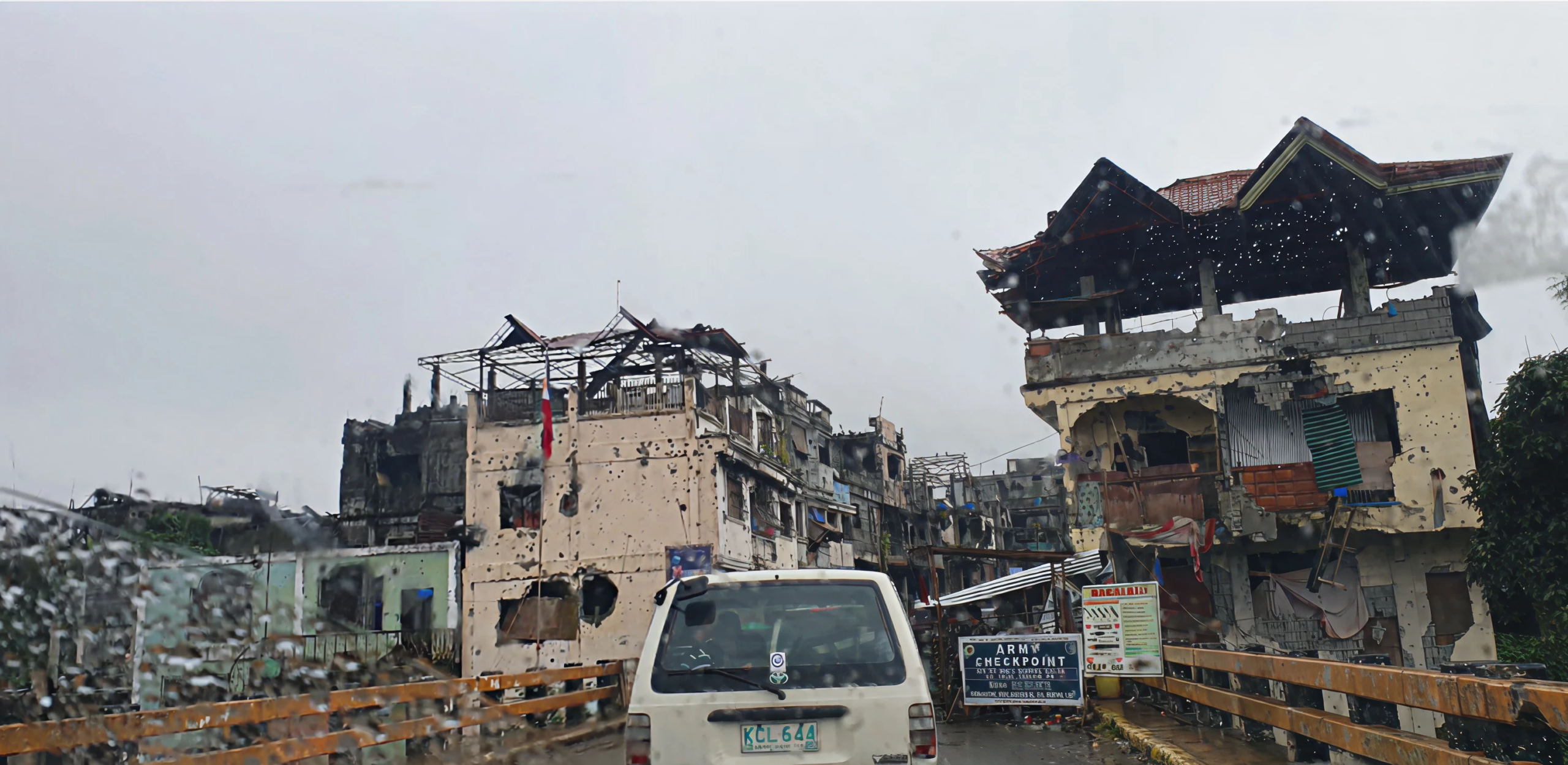
Eventually, with a special pass granted, the team entered Marawi itself.
Twice.
The first entry was scoping—walking through evacuation centers, sitting with families, listening to what could not easily be put into words. Not just “what do you need,” but “what is it like to be here right now?”
The answers were not always spoken directly. They came in pauses, in silence, in the way people described loss carefully, as if even naming it too fully might make it heavier.
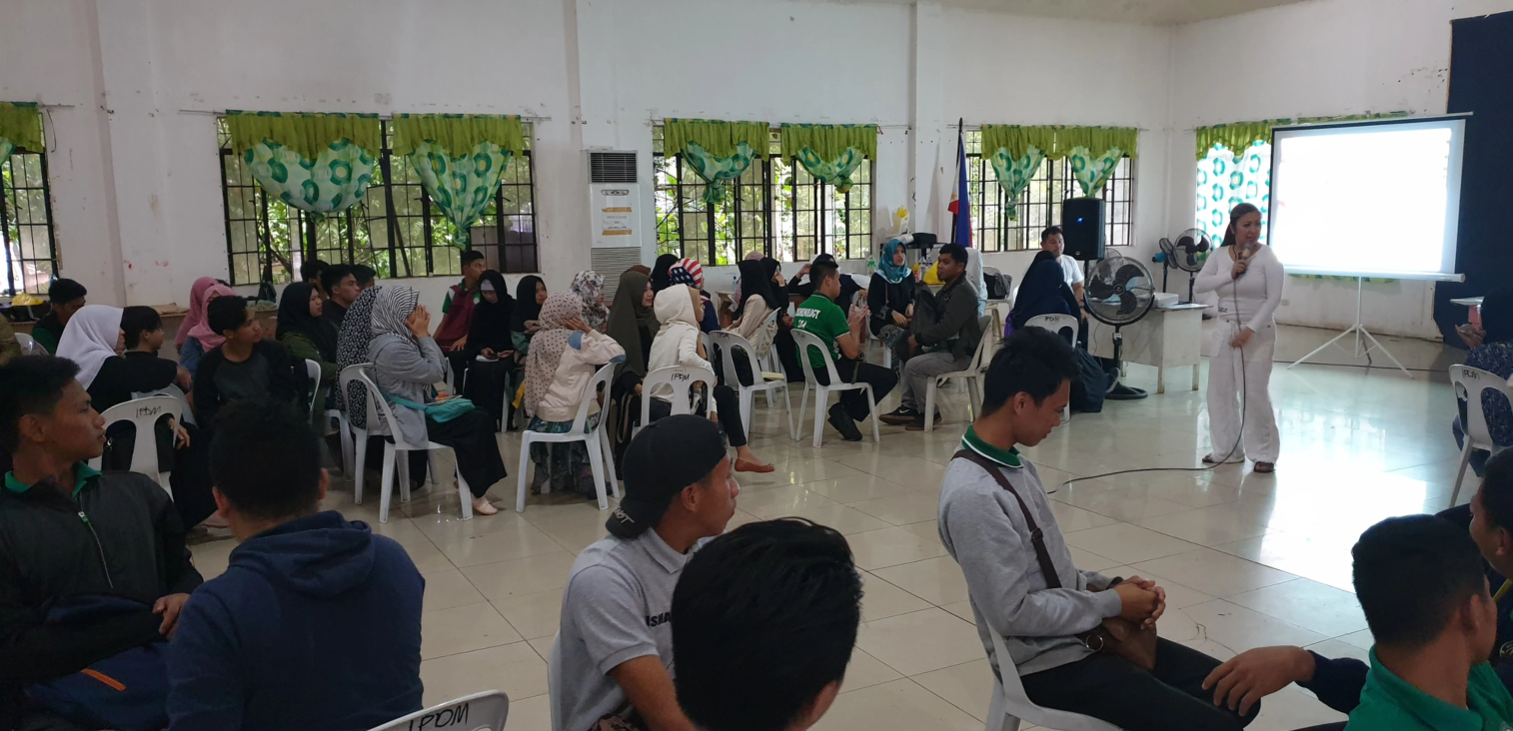
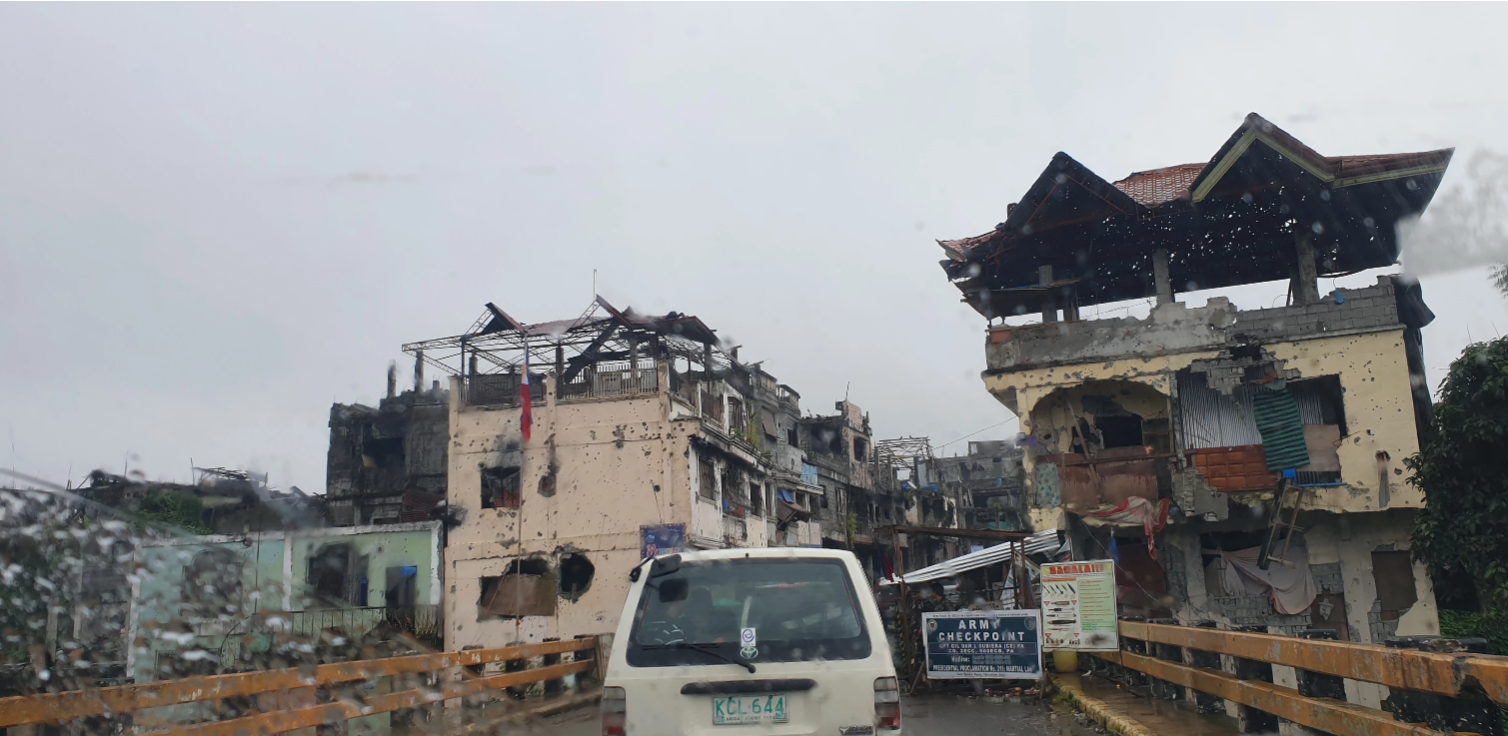
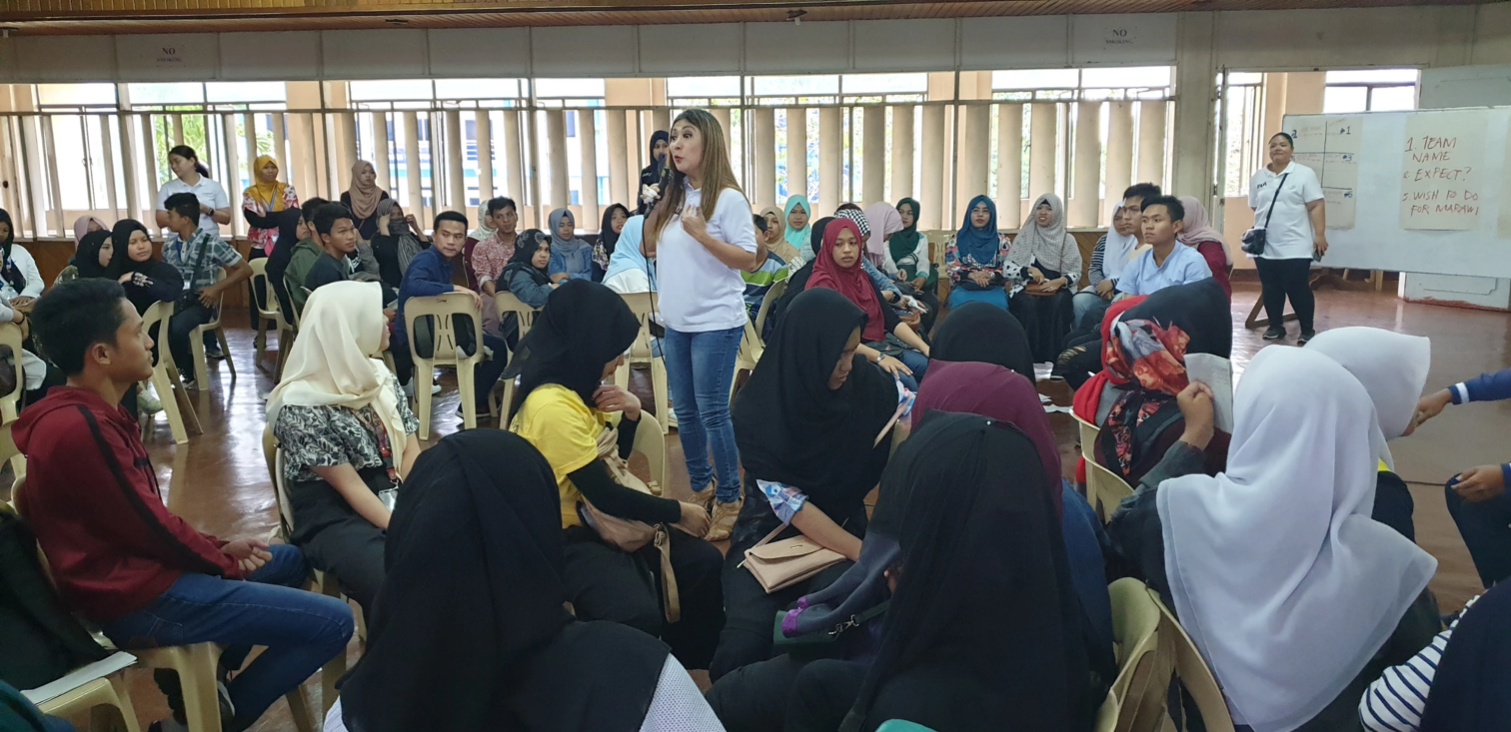
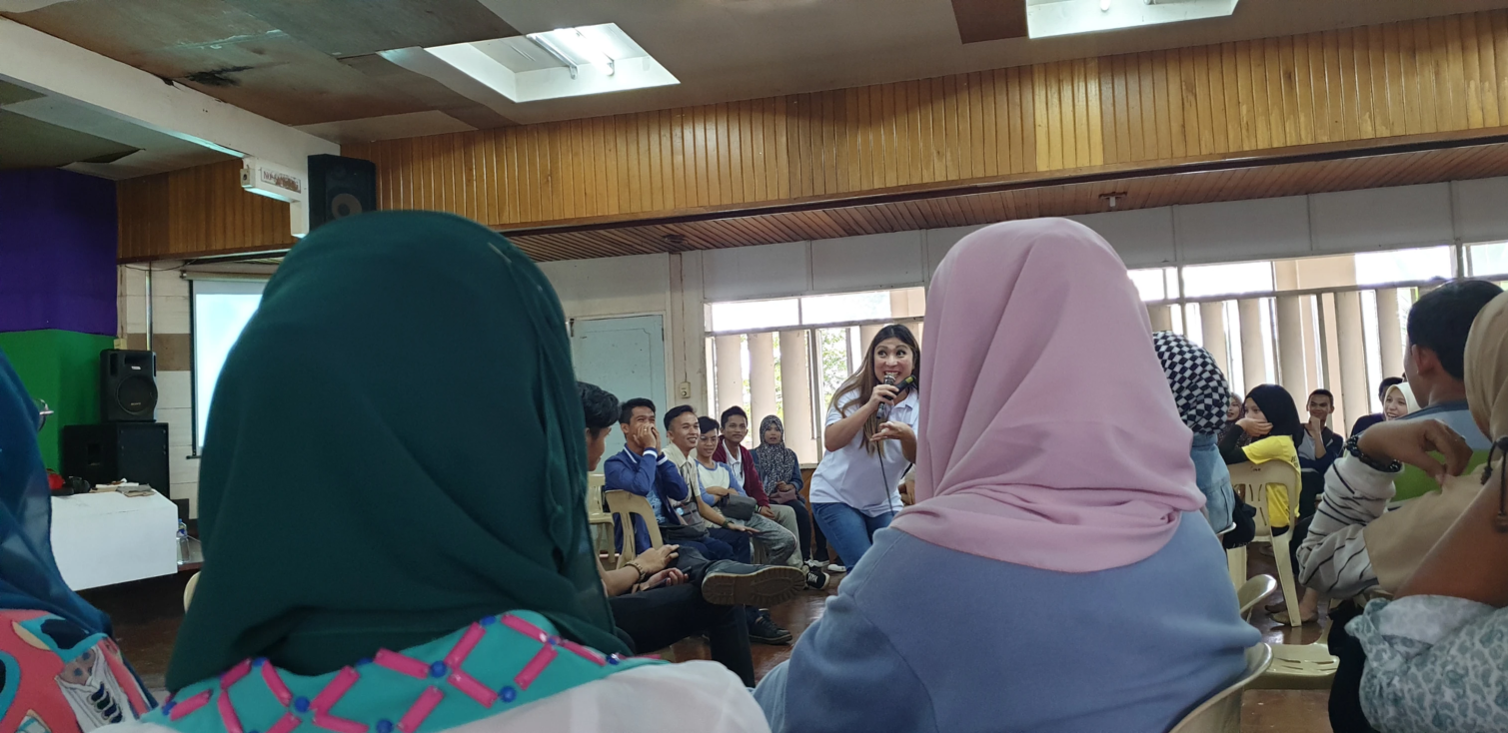
The second entry was training—this time inside a city still carrying the imprint of war.
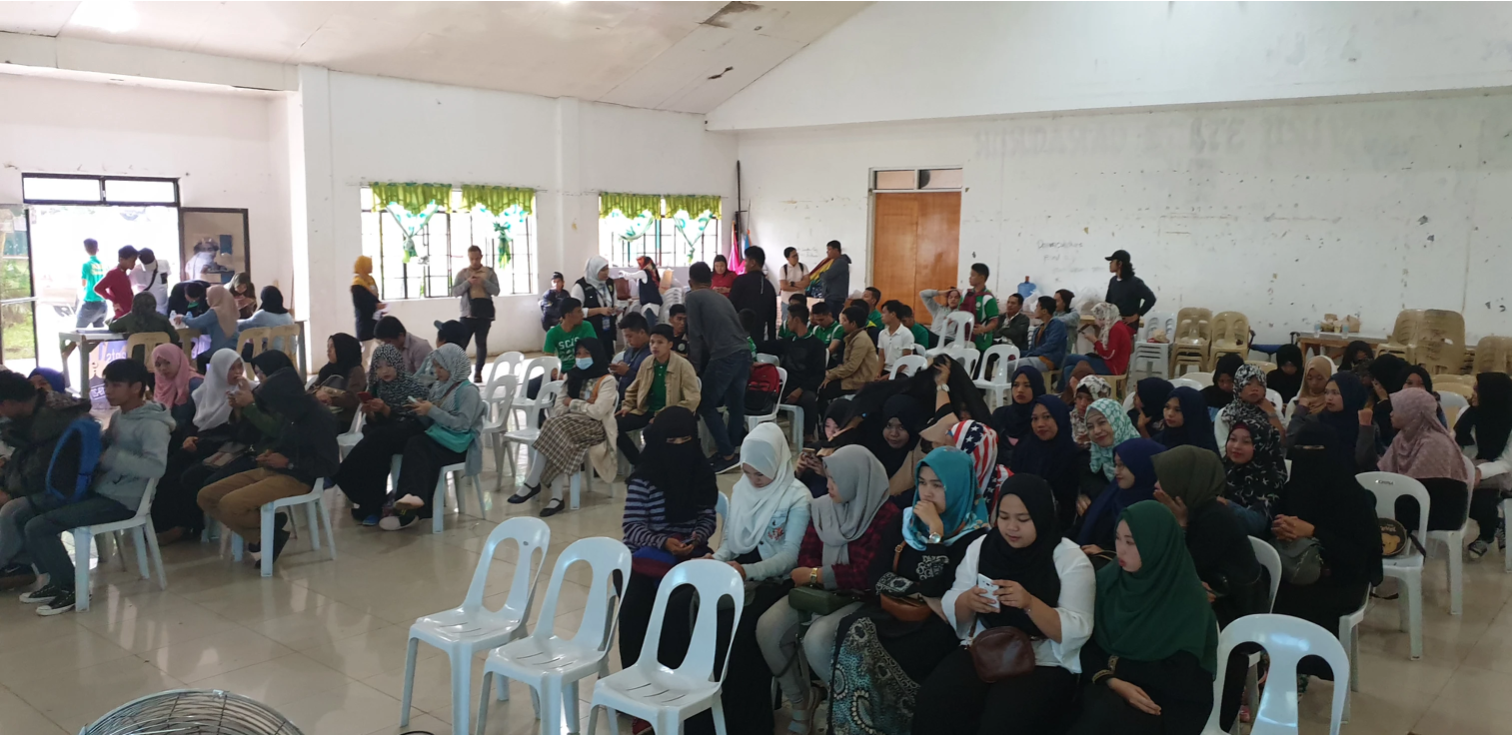
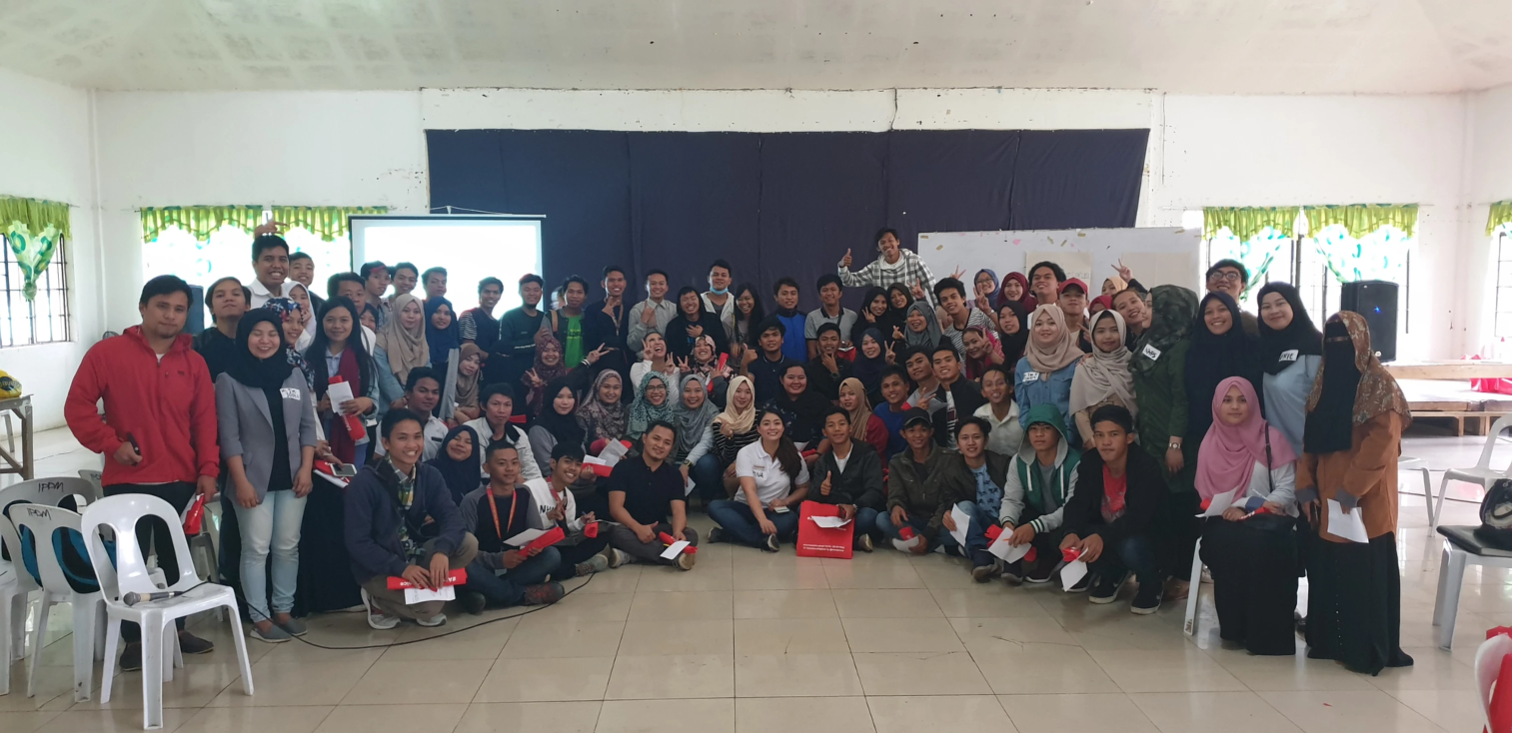
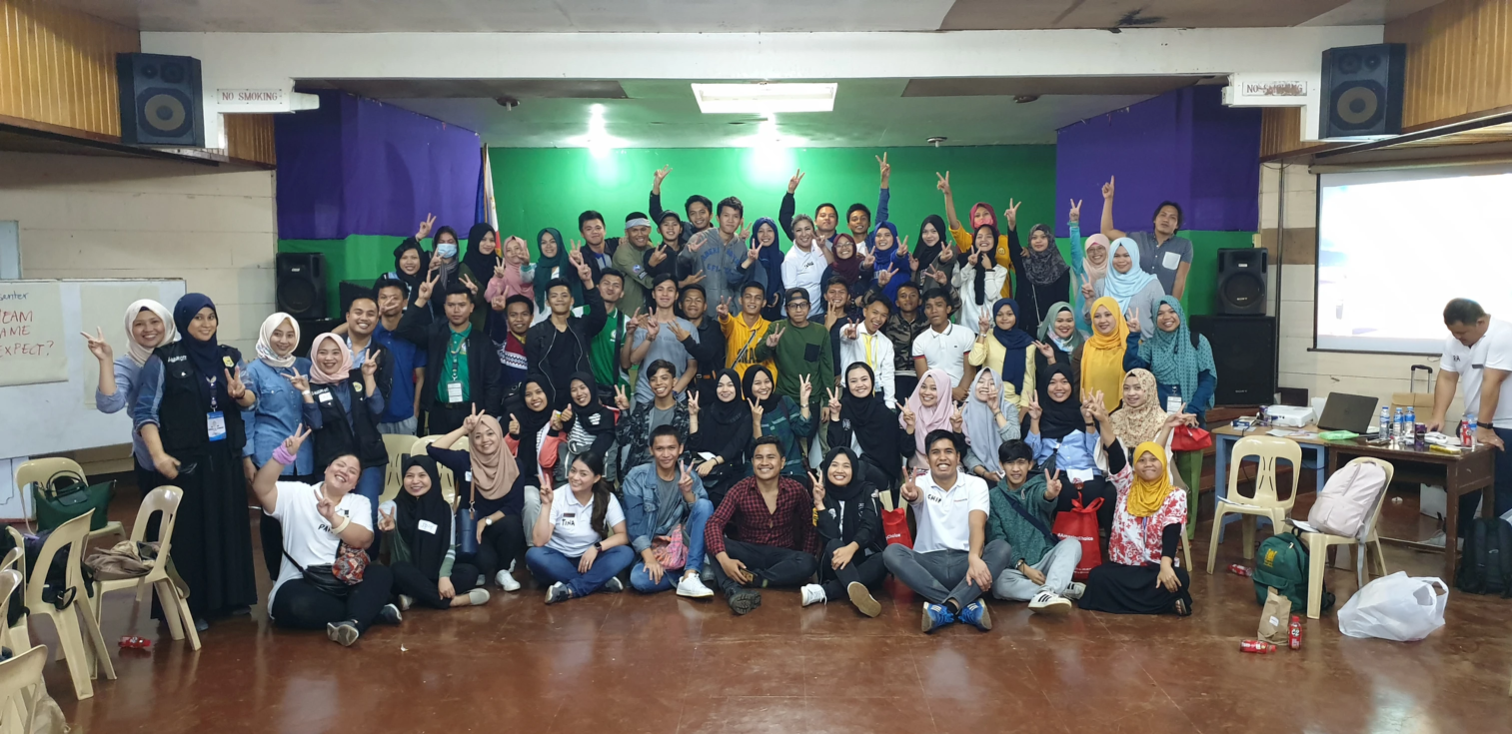
They worked with hundreds of children amid displacement and rebuilding. Sessions were held in temporary learning spaces and rehabilitation areas, where classrooms had been rebuilt faster than emotional stability could catch up.
The work with the youth was not about optimism in the abstract—it was about helping them locate something steady inside themselves when the external world was still uncertain.
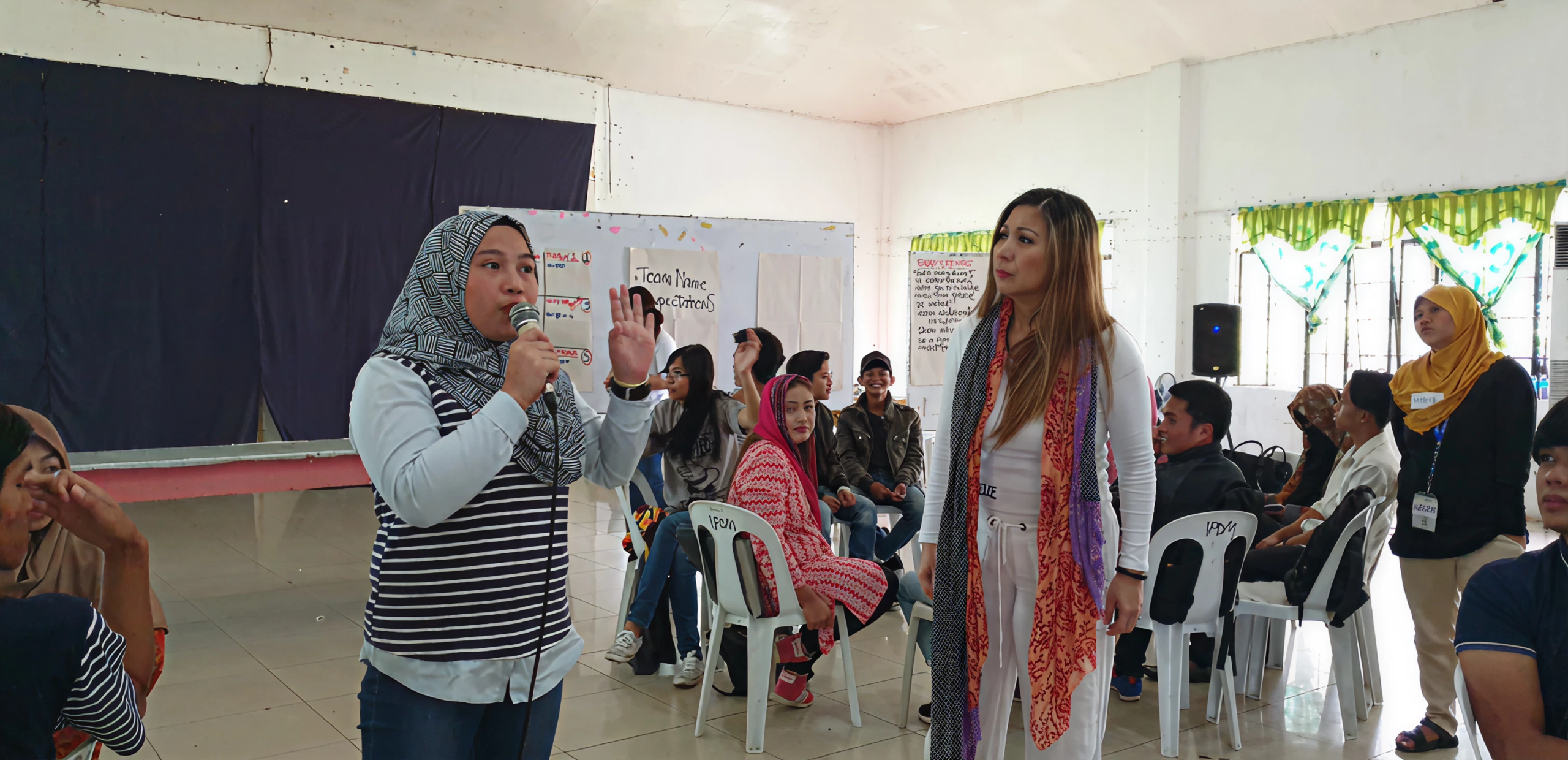
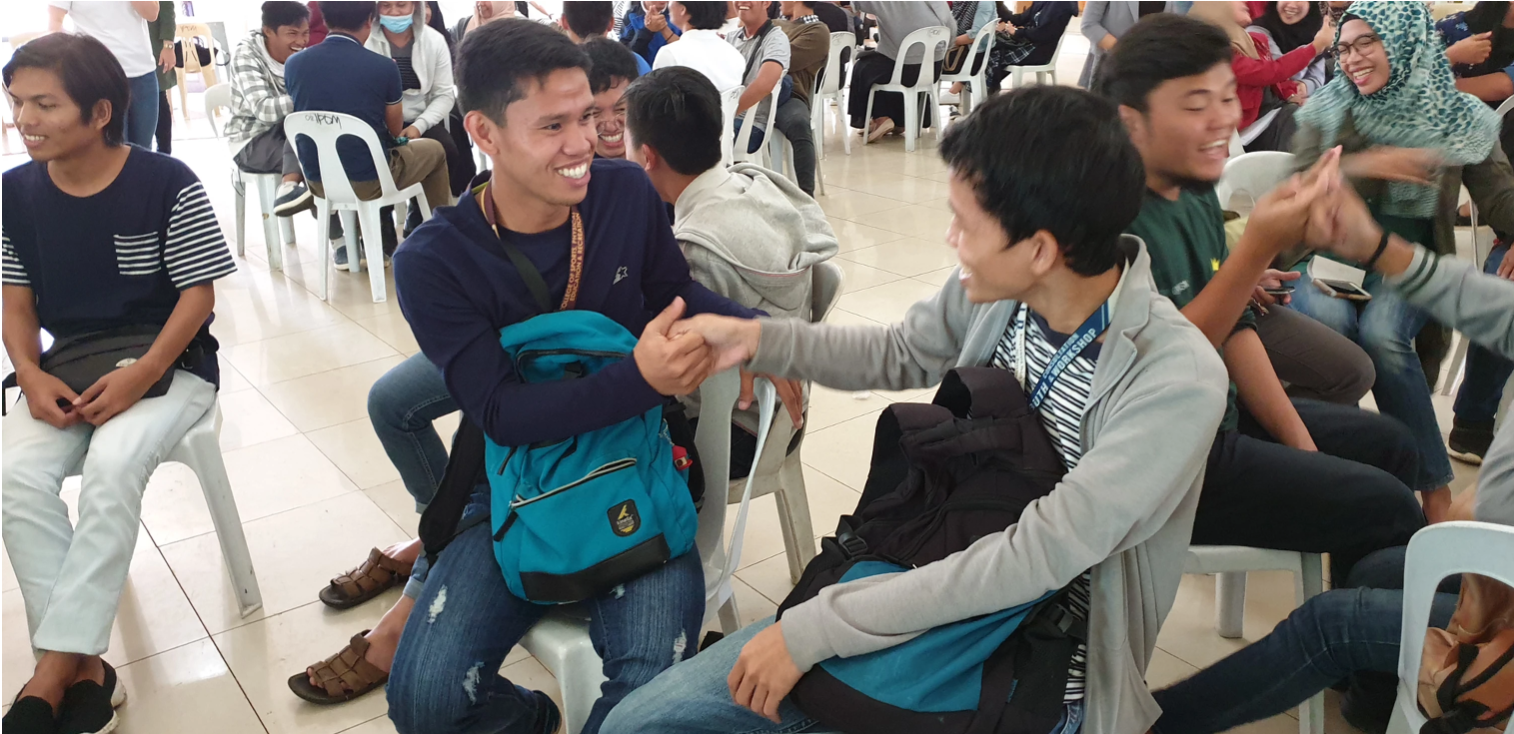
They spoke about resilience not as a slogan, but as something practiced in small, human ways: breathing, naming fear, finding safety in connection, learning how to feel without shutting down.
And always, the message returned to presence.
“Hindi kami taga dito. Magkaiba ang relihiyon natin.
Pero kahit gaano tayo kalayo, may tumutulak kasama ninyo.”
We are here. Not as outsiders who understand everything. Not as people claiming the same story. But as human beings choosing to stand in the same moment of uncertainty with you.
“We are pushing with you, kahit na hindi niyo kami nakikita.”
Because sometimes support is not loud.
Sometimes it is simply refusing to leave.
And in Marawi—among ruins, silence, and slow rebuilding—that presence became the work.