The financial realities of the pandemic forced a difficult but necessary structural shift. Maintaining ChangeStation as a foundation required a minimum of one million pesos in reserve, and in that moment, sustainability was no longer possible in its existing form. So ChangeStation was officially dissolved as a foundation—not because the work ended, but because it needed a different vessel.
All CSR efforts were re-routed through TrainStation.
The name changed on paper. The mission did not.
And then the world went online.
At first, everything felt uncertain—how do you do trauma work, coaching, and large-scale human development when people are locked in their homes, separated from the very communities they were trying to serve?
Then a single request shifted everything
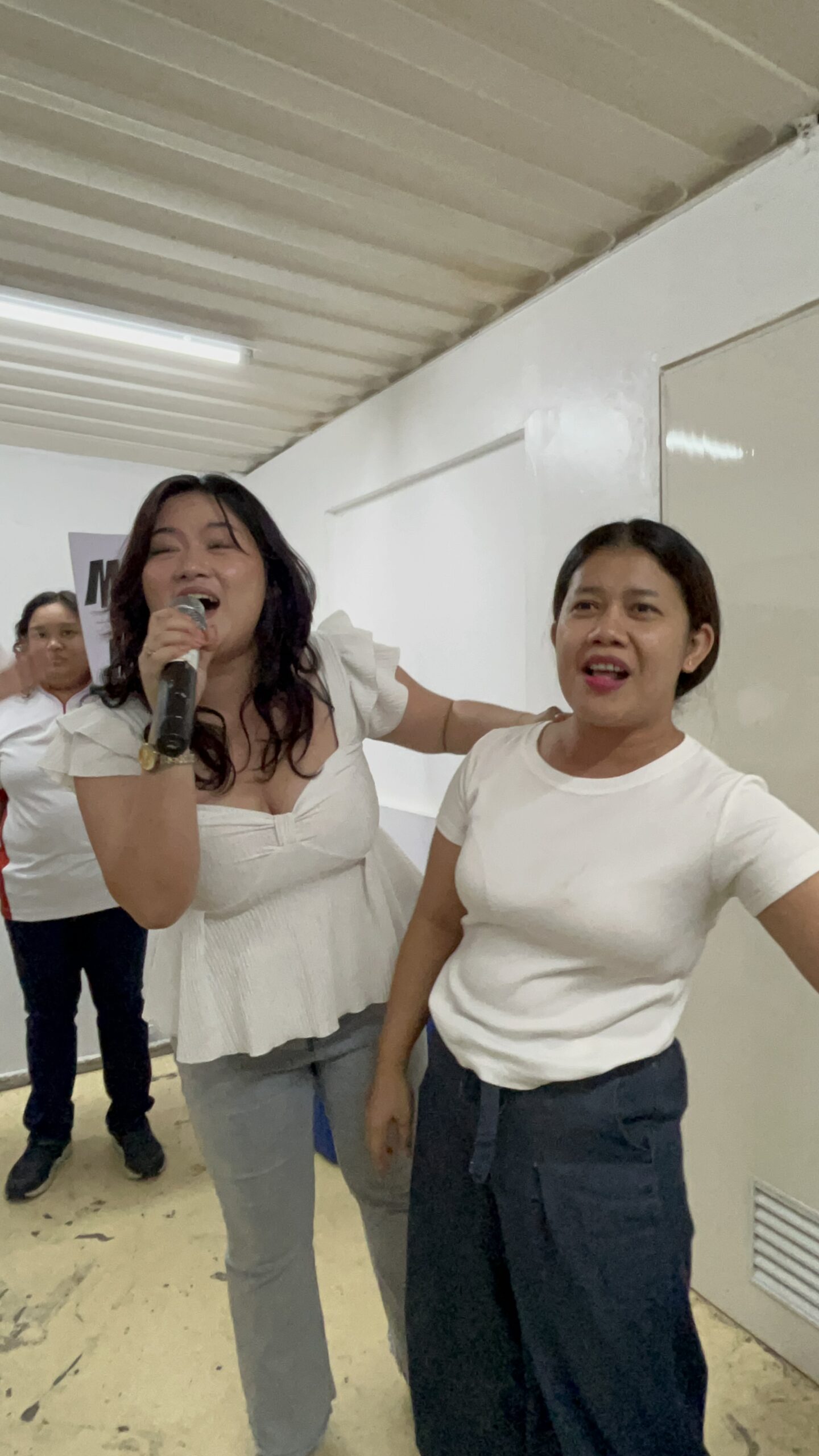
At the center of much of this shift was Mr. Jaton Zulueta, the president and founder of AHA Learning Center—a nonprofit that has helped over 3 million students gain access to more equitable education, trained over 168,000 parents and teachers, and produced hundreds of educational television and radio programs during the pandemic to ensure learning continued even in the most unreachable communities.
Jaton reached out to TrainStation with a need that was deeply personal and urgent: a 9-year-old survivor of sexual abuse by her father needed support. It was not an abstract case. It was a child, in real time, carrying something no child should ever have to carry.
That moment became a turning point.
Three months into the pandemic, instead of retreating, the response expanded.
Jaton made a decision that would define the next phase of the work:
“If you know where you’re going, if you know where you have to be, even if they cut your legs you will crawl.”
And so we did.
What began as a single intervention quickly expanded into a national movement.
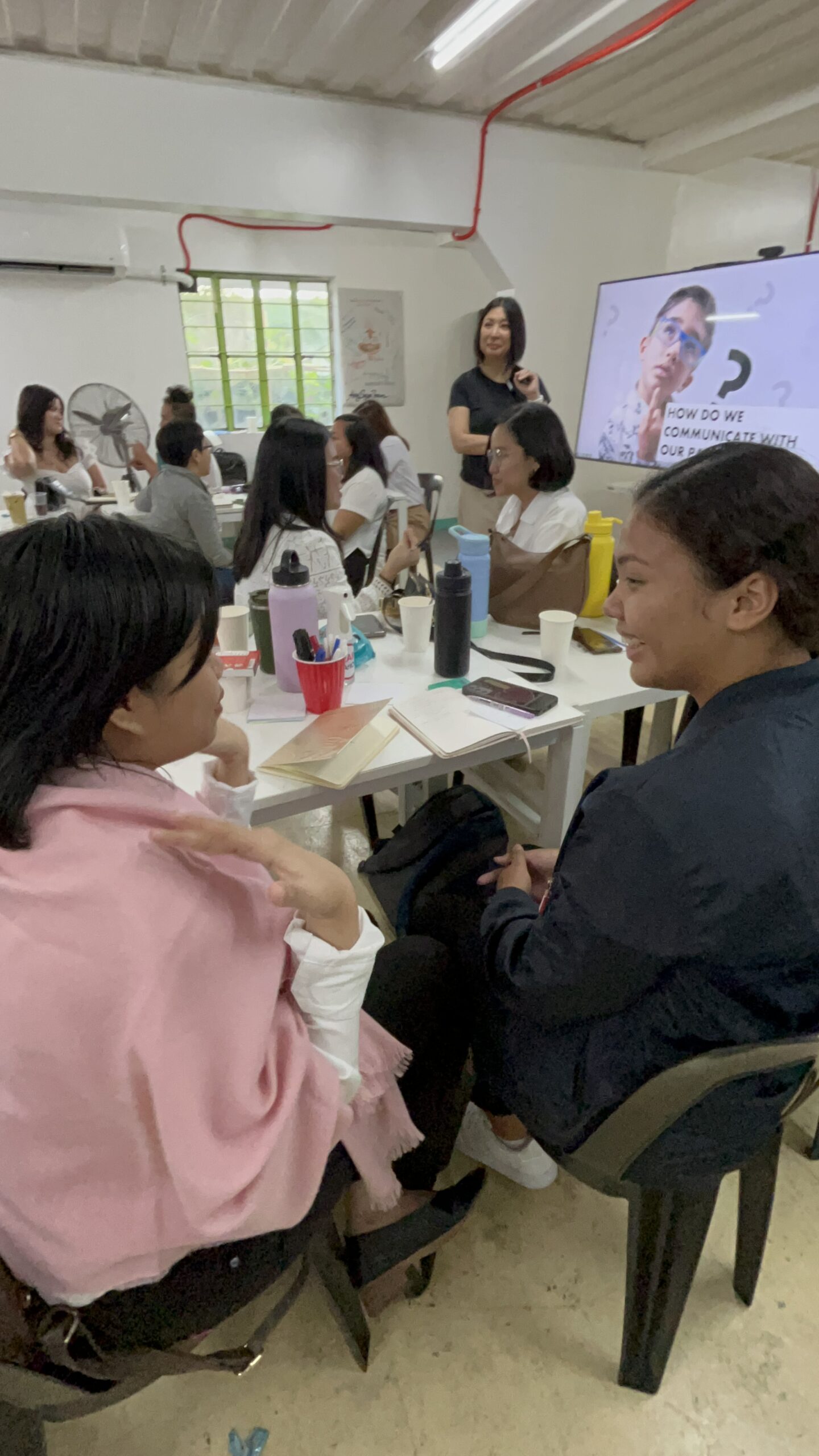
A massive online mobilization was launched—one that, at the beginning, no one had fully mapped out. Everything for connection and learning moved online during the pandemic. Public school teachers across the country were pulled into a new kind of space—one that was no longer just about delivering lessons, but about holding emotional reality in the middle of crisis while ALSO learning how to teach through digital platforms like Zoom and Messenger.
The scale became staggering.
Between 70,000 to 100,000 public school teachers from across the nation were trained online through TrainStation programs during the pandemic period. Teachers called in from inside their homes, in improvised learning corners, and in shared community spaces. Some teachers joined from empty classrooms, sitting in signal “pockets” just to stay connected. Others logged in while seated under trees, where mobile data was the only available lifeline to the outside world.
It was a stretch. The kind where some of them literally climbed mountains.
But they still showed up.
Because education had stopped being routine.
It had become continuity for children who had already lost so much stability.
And somewhere in that unfolding, something else became clear: leadership was no longer about position. It was about presence under pressure.
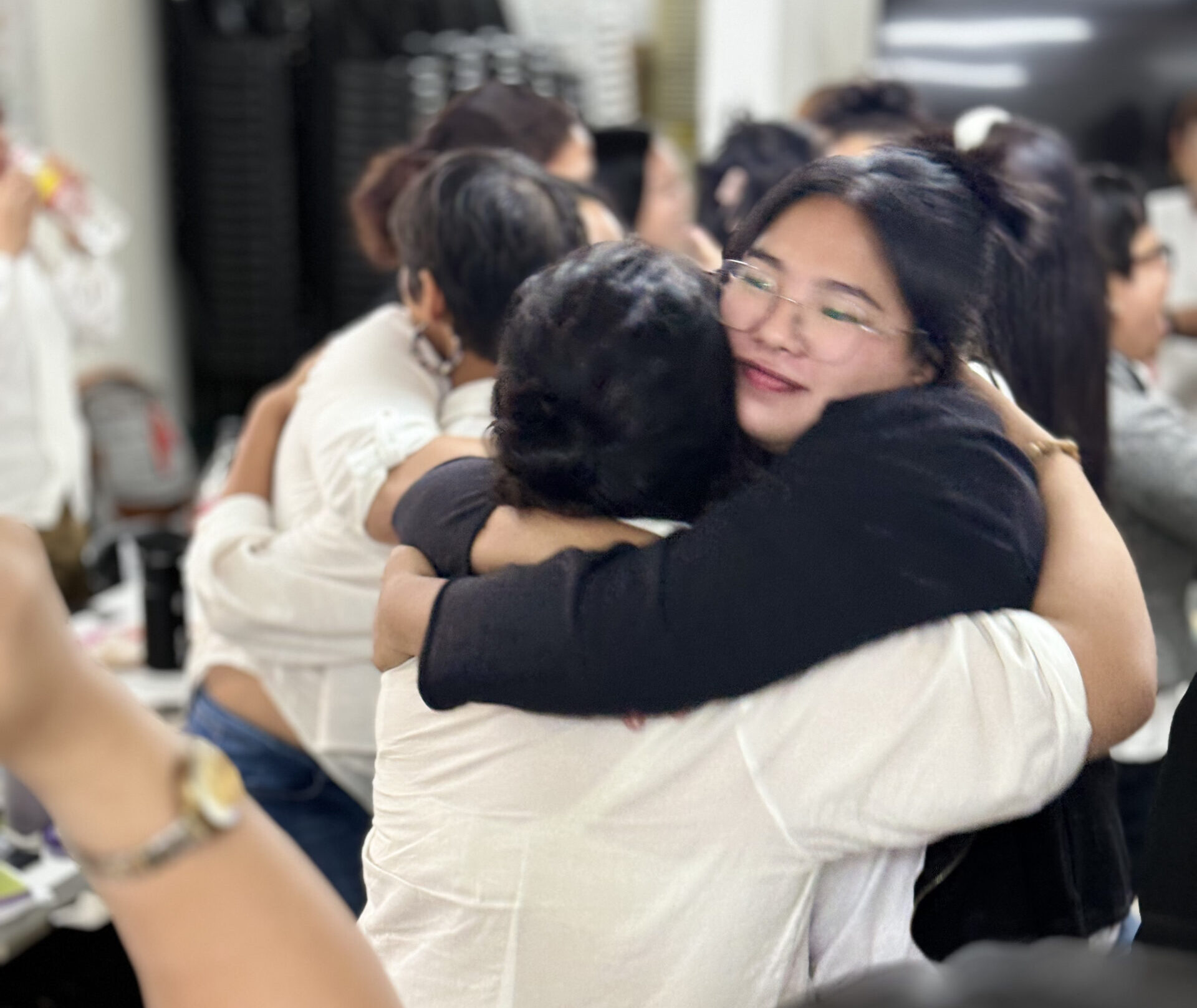
In the middle of this massive wave, Jaton reflected on what was happening inside the team:
“Carelle, in this group alone there’s like 300 volunteers who are all crying…”
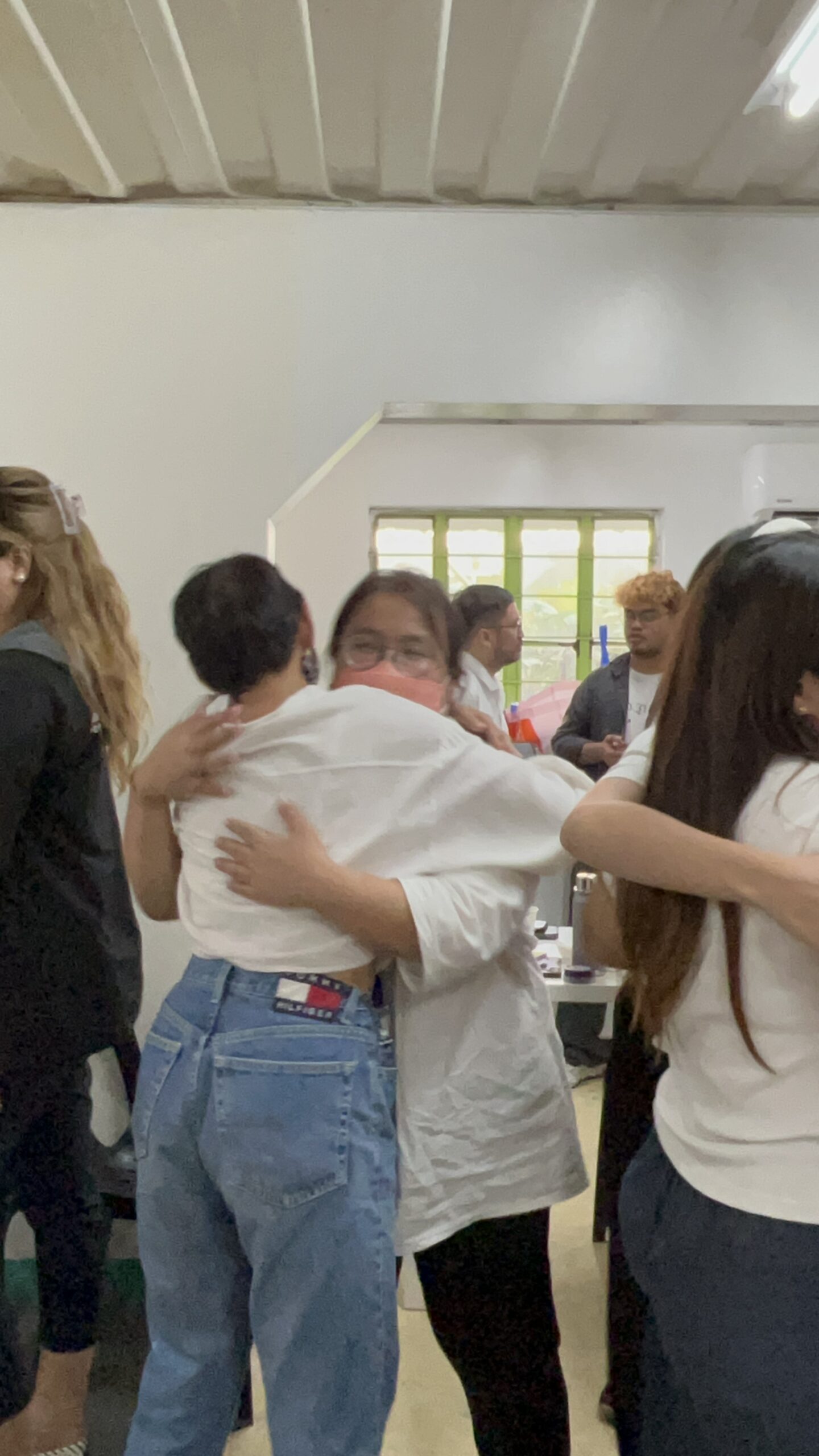
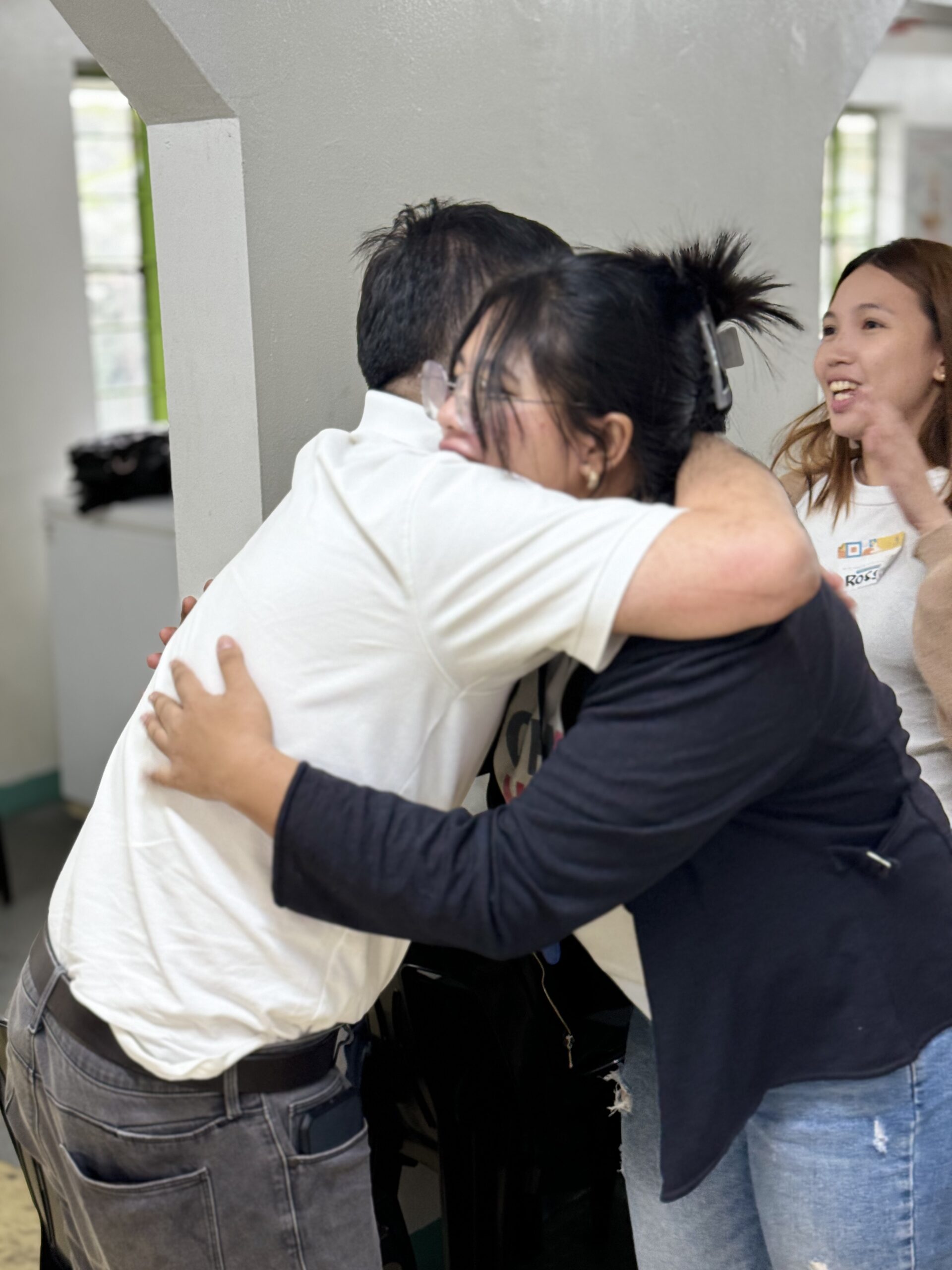
Not from breakdown—but from overflow. From the emotional weight of holding thousands of stories while also trying to hold their own.
And yet, the work continued.
Because the need did not pause.
Because children still needed teachers.
Because teachers still needed support.
And because systems still needed people willing to stay inside the discomfort long enough for something stable to be built.
In parallel, TrainStation also expanded its response beyond education. The BrainStrong initiative was launched—offering free mental health talks, open online sessions, and accessible psychological support during a time when anxiety, grief, and isolation were at an all-time high.
Coaching also shifted. Individual support was delivered freely through Zoom sessions. Clients, communities, and volunteers were supported in real time, often with no structure except availability and urgency.
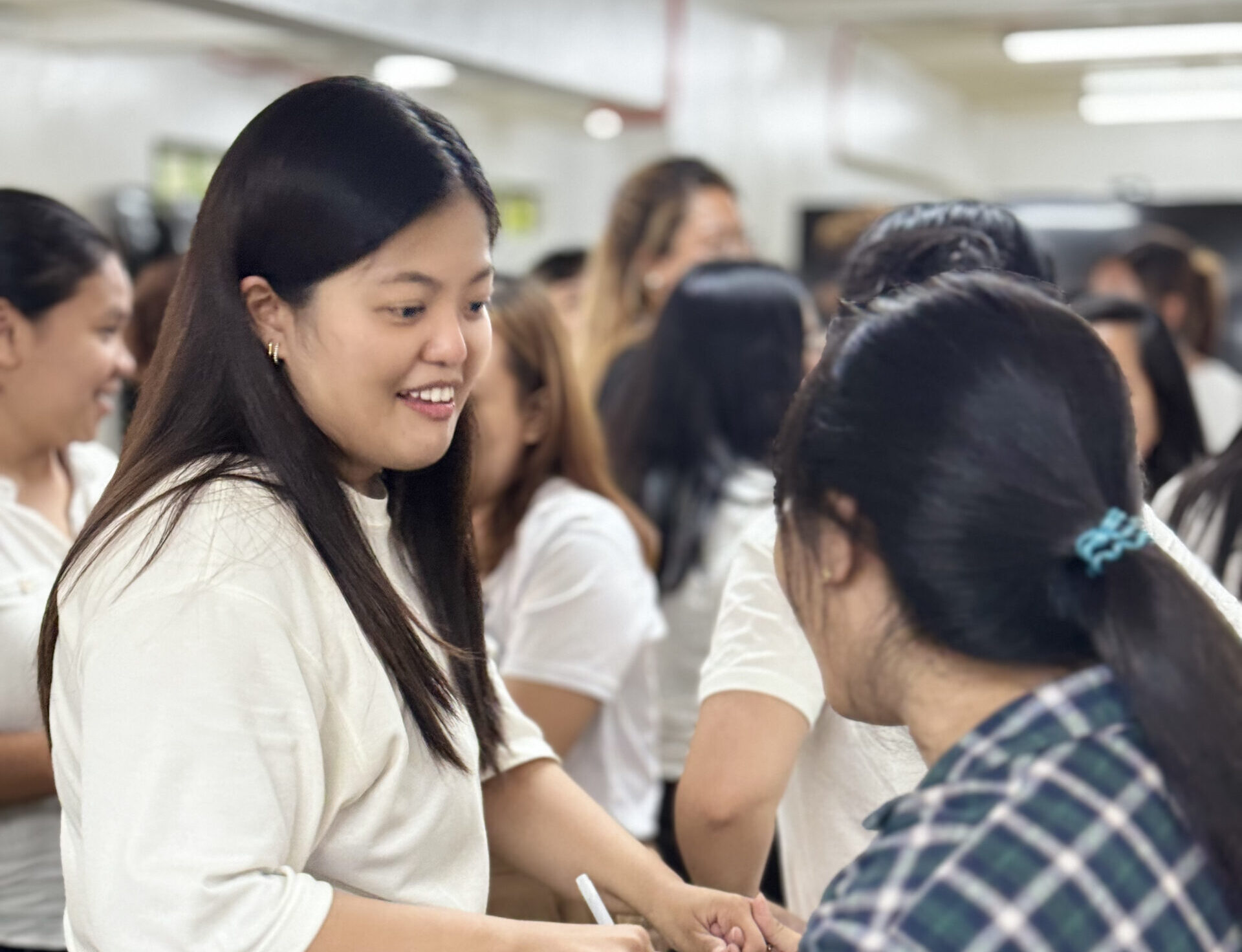
What had once been ChangeStation as a physical foundation had now become something more fluid—but also more far-reaching.
A distributed system of care.
And as the numbers grew—70,000 teachers… then 120,000… and eventually a ripple effect reaching an estimated 3 million students—the pattern became undeniable.
This was no longer just response work.
It was infrastructure for human continuity.
Not because the circumstances were easy.
But because even in global shutdown, something essential remained open:
People still showed up for each other.
And in that showing up, the work became proof of something simple and almost impossible to ignore—
when everything else stopped,
care scaled.