
What should you look for in a neuroscience-based coaching program?
- Evidence-based curriculum
- Qualified and certified coaches
- Practical application and tools
- Personalized and experiential learning
- Alignment with organizational goals
- Ongoing support and integration
Overview
- Neuroscience-based coaching transforms how teams think, lead, and collaborate. The right program combines evidence-backed curricula, certified coaches, practical tools, personalized learning, organizational alignment, and ongoing support.
- Applied consistently, it strengthens habits, improves decision-making, and boosts performance. TrainStation turns brain science into actionable strategies that drive measurable, high-impact results.
The brain is the ultimate frontier for personal and professional growth. Knowing how we think, feel, and make decisions can unlock real transformation—but only with the right guide.
Knowing what to look for in a neuroscience-based coaching program matters. Many claim to be “brain science-backed,” but a strong program shows you how to apply that knowledge to lead smarter, connect deeper, and create meaningful results.
Evidence-Based Curriculum
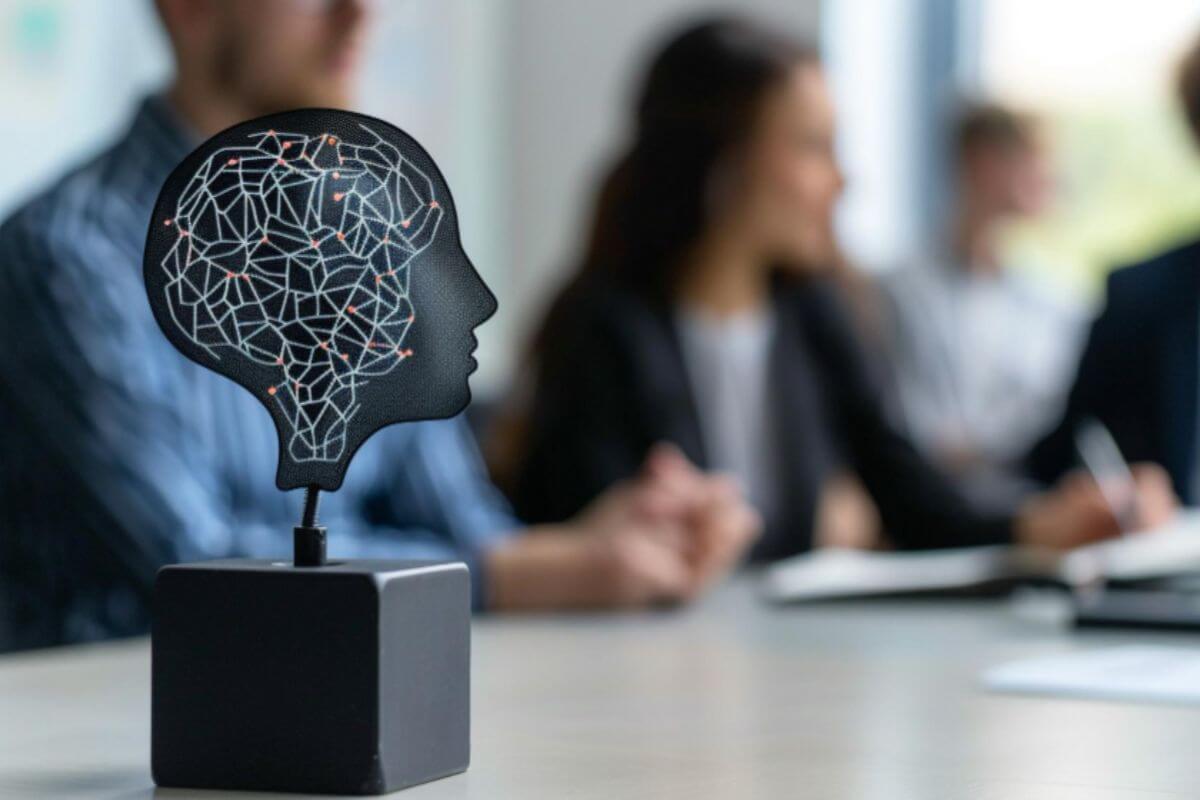
Neuroscience is fascinating but complex. The best programs skip catchy slogans like “rewire your brain in 21 days” and focus on real research in neuroplasticity, motivation, and behavior change.
Picture a team facing a high-pressure project. Instead of generic advice, the program shows how stress triggers the amygdala, how habits form in neural circuits, and how frameworks keep decisions sharp and focused.
Look for programs that cite studies, cover cognitive science, behavior, and emotional regulation, and explain the reasoning behind each exercise. Science-backed coaching doesn’t just feel good—it equips teams to communicate better, make smarter decisions, and perform at their best under pressure.
Qualified and Certified Coaches
A great coach is part scientist, part storyteller. They understand the “why” behind behavior and turn complex brain science into clear, actionable steps.
When your team hits a high-pressure project with deadlines breathing down their necks, a certified neuroscience coach steps in. They spot tension, guide reactions, and turn confusion into focus. Decisions sharpen, collaboration flows, and the team moves forward with energy.
The best coaches bring backgrounds in psychology, cognitive science, or organizational development, plus recognized certifications. Without proper training, coaching can misfire, cause frustration, or stall progress. Certified coaches make brain science practical, helping leaders and teams perform smarter, adapt faster, and even enjoy the process.
Practical Application and Tools
Science only matters if you can put it into action. The right program turns theory into habits through frameworks, models, and exercises you actually use.
Imagine running a high-stakes team meeting. Hands-on exercises, simulations, or apps let you practice frameworks in real time, so when the pressure is on, you respond with confidence instead of scrambling. Programs that stay purely abstract won’t stick.
Look for opportunities to experiment, make mistakes safely, and refine your approach. The right tools make complex science simple, measurable, and immediately useful, so your growth is practical and unstoppable.
Personalized and Experiential Learning

No two brains are the same, and neither are learning journeys. The strongest programs go beyond slides and lectures, blending self-assessments, real-time feedback, and interactive experiences.
Spot the difference: Are exercises tailored to your goals, or is everyone treated the same? Does the program include self-assessments, peer interactions, or role-playing simulations?
Personalized learning reveals your unique cognitive and emotional patterns. Experiential methods like reflective exercises and role-play let you move from simply knowing to truly feeling how behavior shifts happen. That’s where real transformation takes hold.
Alignment with Organizational Goals
A neuroscience-based coaching program should connect personal growth to organizational outcomes, not operate in isolation.
Ask whether exercises and assessments link to business objectives. Does the program track impact on team collaboration, leadership effectiveness, or employee engagement? Programs that ignore the workplace context may create insight without real-world results.
The aim is bigger than helping one person think differently. When science meets strategy, leaders lead better, teams collaborate smarter, and organizations adapt faster.
Ongoing Support and Integration
Real change doesn’t happen in a single “aha” moment—it grows over time. That’s why ongoing support matters.
Imagine learning a new leadership habit during training but facing a high-pressure project the next week. Without reinforcement, old patterns creep back. Programs that offer follow-ups, digital resources, peer networks, or mentoring help new skills stick and become part of how you actually work.
Check for post-training exercises or accountability structures. Programs that end abruptly after a few sessions risk leaving potential untapped, while consistent integration turns learning into real, measurable results.
Key Takeaway
Choosing the right program is about more than trendy exercises or buzzwords—it’s about transforming how you think, lead, and collaborate.
Knowing what to look for in a neuroscience-based coaching program helps you spot evidence-backed curricula, qualified coaches, practical tools, personalized learning, and organizational alignment that actually deliver results.
At TrainStation, science-backed coaching has shifted teams in how they communicate, connect, and perform. Ready to unlock your team’s potential? Contact us and turn brain science into smarter leadership.