What role does a corporate team building facilitator play in conflict prevention?
- Building psychological safety
- Setting clear boundaries
- Teaching communication frameworks
- Providing unbiased perspective
Overview
- Unspoken concerns and unclear expectations strain workplace collaboration. A corporate team building facilitator prevents conflict by creating psychological safety, setting ground rules, and teaching structured communication frameworks.
- Acting as a neutral guide, they offer objective perspectives to resolve tensions. Companies like TrainStation help teams build lasting trust, openness, and camaraderie.
Conflict can come from a major disagreement and conversations that never happen. May it be a concern left unspoken or frustration that quietly piles up after weeks of unclear expectations, these seemingly small moments accumulate, and collaboration becomes strained.
That’s where a corporate team building facilitator in the Philippines creates lasting value. They intentionally guide interactions that build trust, improve communication, and surface hidden tensions constructively.
In this article, let’s discuss what role a corporate team building facilitator plays in conflict prevention.
Building Psychological Safety

Psychological safety refers to a workplace environment where people feel comfortable expressing ideas, asking questions, and sharing concerns without fear of embarrassment, criticism, or judgment. This sense of safety is essential because the brain constantly evaluates social situations, deciding whether it is safe to speak up or better to remain guarded. When individuals feel respected despite differing opinions, they are more likely to participate openly and collaborate with confidence.
Creating this kind of environment does not happen automatically, even with experienced coaches or well-designed programs. It develops through intentionally structured experiences that encourage participation and build trust among team members. Rather than immediately placing participants in vulnerable discussions, skilled facilitators introduce collaborative activities that foster connection first, allowing openness to emerge naturally.
Setting Clear Boundaries
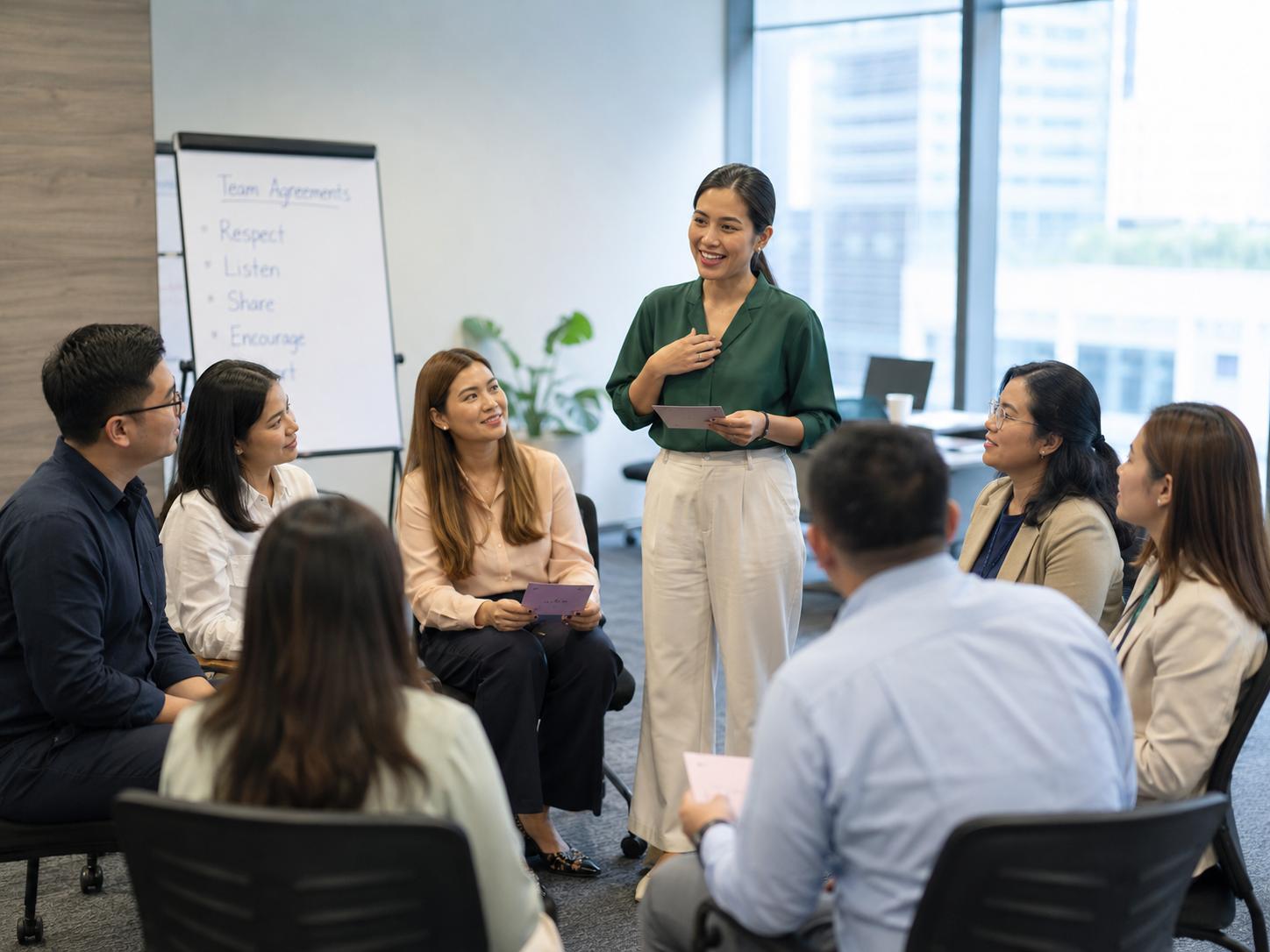
Team building facilitators help establish expectations by introducing clear ground rules that guide every interaction throughout the session. These agreements involve active listening, respecting varying points of view, and avoiding interruptions. While these principles may appear simple, they build a behavioral framework that participants can carry back into their daily work.
When everyone understands how conversations should be conducted, disagreements become easier to handle because discussions focus on solving problems rather than protecting personal positions.
Teaching Communication Frameworks
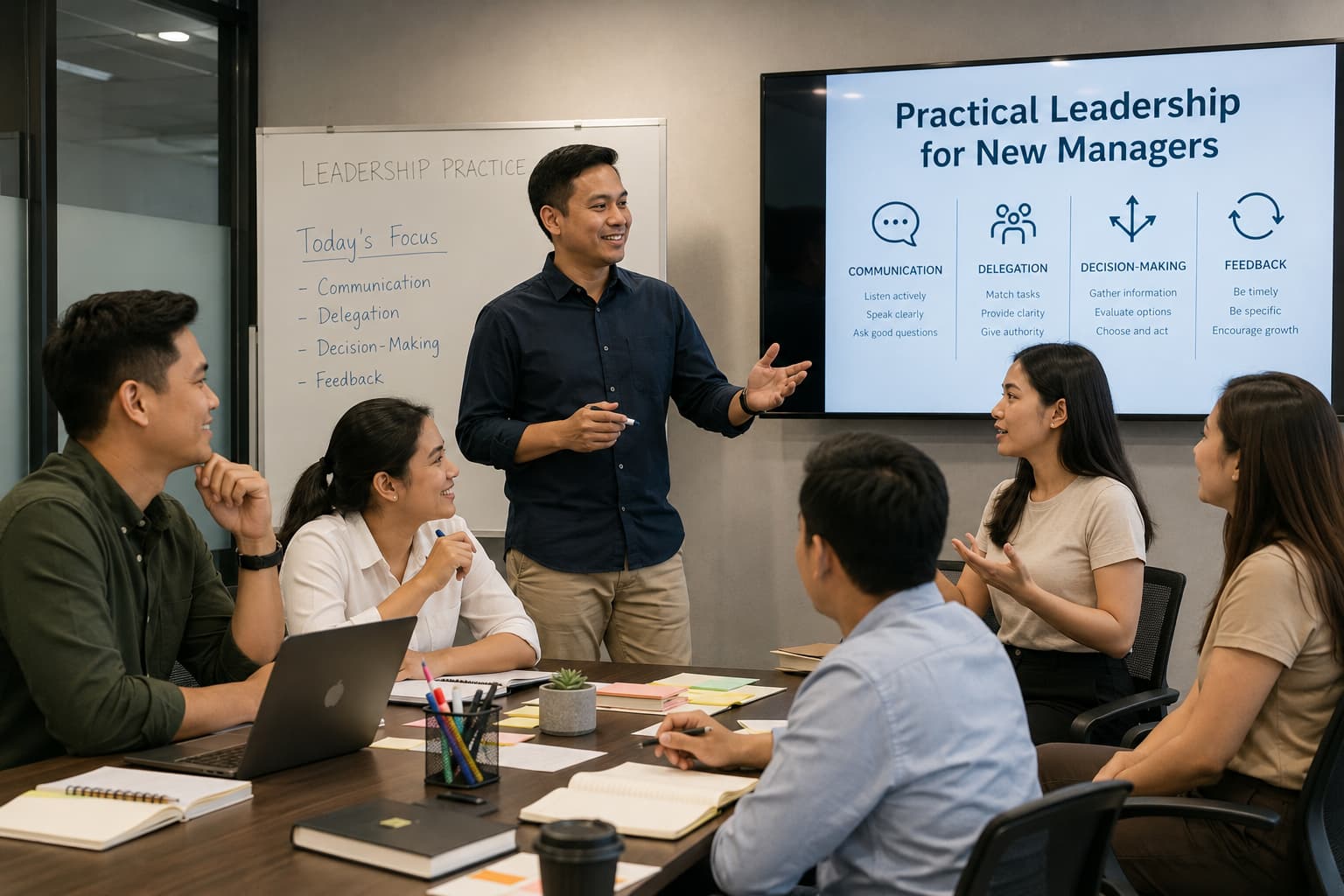
Many workplace conflicts are not caused by bad intentions; they result from unclear communication. The facilitator can address this by introducing practical communication frameworks that participants can apply. They can demonstrate how to ask questions, listen, and provide constructive feedback during challenging conversations.
These structured techniques reduce cognitive overload because participants no longer need to rely on instinct during emotionally charged situations. A repeatable communication process helps everyone organize their thoughts and approach discussions with greater confidence.
Providing Unbiased Perspective
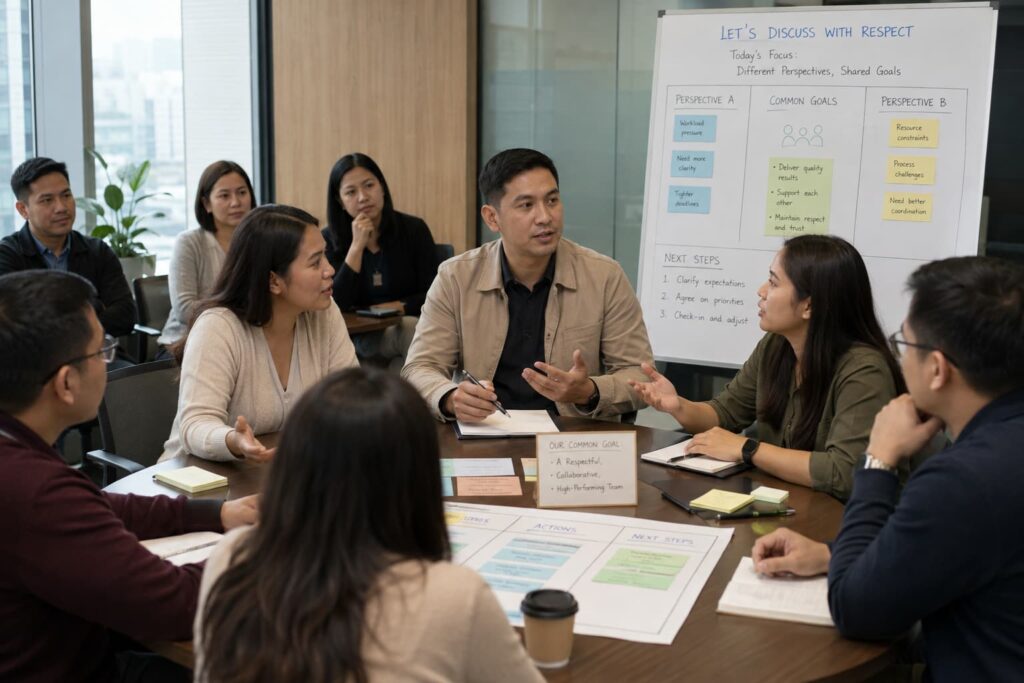
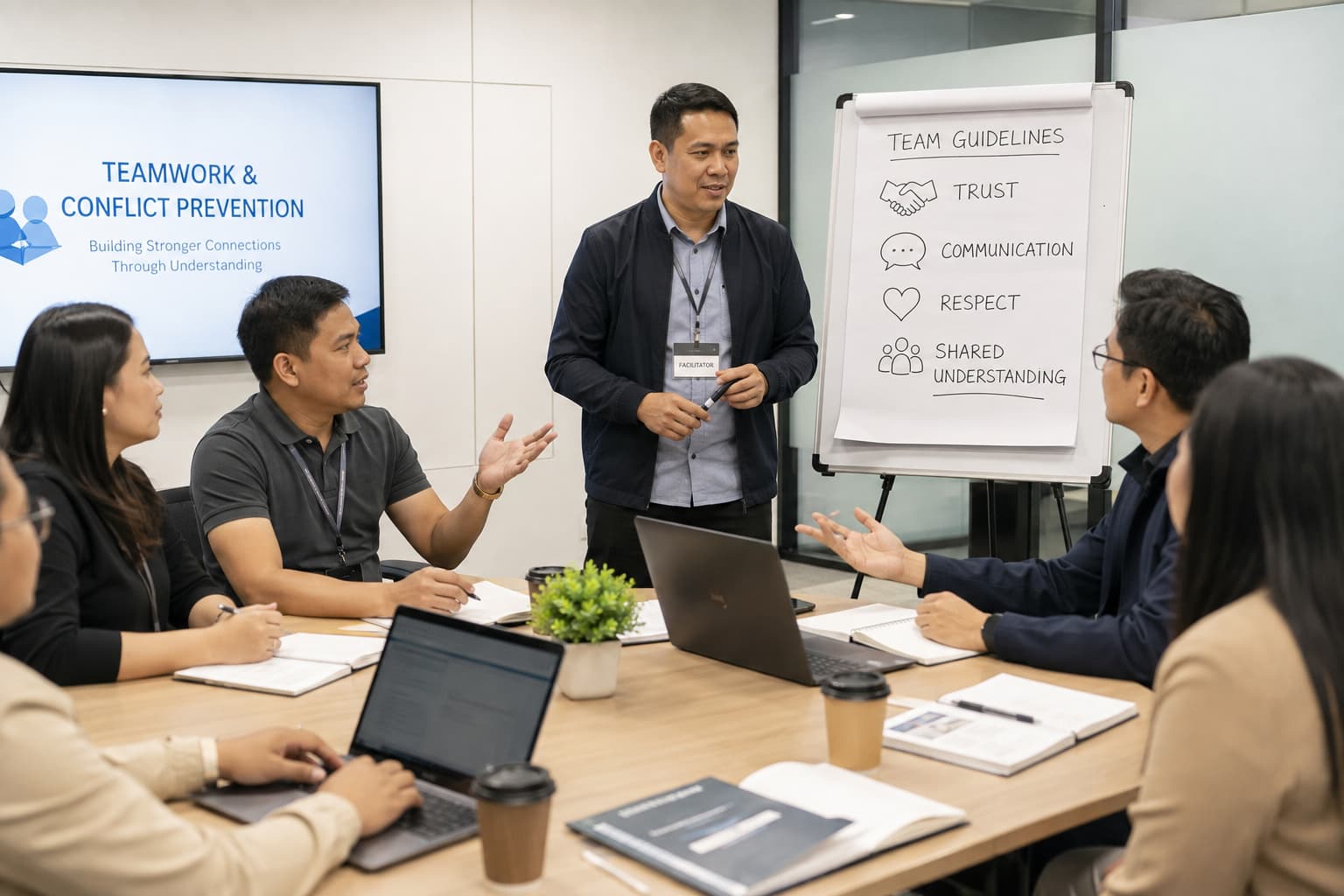
During the team building programs, facilitators are expected to bring an objective perspective that shifts conversations away from blame and toward understanding. Because they are not part of the company’s internal dynamics, they can observe communication patterns and ask questions that encourage participants to reflect without feeling personally attacked.
With neutrality in mind, employees’ participation also shifts. They become more willing to express concerns when they know someone without bias is guiding the discussion. Ultimately, the coach becomes a reliable guide who keeps discussions well-balanced while ensuring every voice has an opportunity to be heard.
Journey with TrainStation for Effective Team Building
At TrainStation, team building is designed to strengthen relationships, improve communication, and build healthier workplace dynamics. Every activity begins with understanding the organization’s objectives, current challenges, and team dynamics to address real workplace needs.
Our coaches combine experiential learning, behavioral science, and neuroscience-informed strategies to create environments where participants feel safe. Activities are curated to build trust progressively, encourage collaboration across different personalities, and provide opportunities for meaningful reflection throughout the program. We support businesses in building strong teams that communicate more openly and work together with camaraderie long after the program concludes.
Key Takeaway
Understanding what role does a corporate team building facilitator plays in conflict prevention highlights that effective facilitation extends far beyond organizing activities. By creating psychological safety, healthy communication norms, and an objective perspective, they help teams identify possible sources of conflict.
At TrainStation, we believe the strongest teams are built through trust, intentional communication, and shared understanding. Reach out to us today to learn more.