
Overview
- Skills gaps and unclear expectations leave teams busy but ineffective. Neuroscience shows brains thrive on clarity, challenge, and choice.
- Purpose, clear roles, skill development, supportive culture, and aligned leadership boost focus, engagement, and innovation.
- TrainStation applies these insights through practical, hands-on programs to improve workforce effectiveness and unlock peak team performance.
Imagine your team in a meeting. Ideas are flying, yet nothing quite lands. A few people sneak glances at their inboxes, others scroll in silence, and your sharpest thinker is mentally tapped out. The room feels busy, but progress is stuck.
This is cognitive overload in action. The prefrontal cortex is maxed out, the amygdala is quietly signaling stress, and motivation is running on empty. Real insight into how to improve workforce effectiveness in a company is not about pushing people to work longer hours. It is about building smarter systems that align with how the brain actually operates.
Attention, memory, motivation, and social cognition are not abstract theories. They power every meeting, decision, and idea exchange. Design work around them effectively, and teams move from drained to dynamic—focused, creative, and genuinely high-performing.
The Current State of Workforce Performance

The Philippine labor market is sending mixed but telling signals. Unemployment dropped to 3.8% in 2024, a milestone many see as a sign of steady progress and stronger job creation.
However, employment numbers do not tell the full story. Underemployment remains a challenge, rising to 13.3% in January 2025. Millions of workers are holding multiple roles, not to advance, but simply to stay afloat.
This dynamic has consequences. When people operate in survival mode, motivation declines, and focus narrows to short-term tasks. Work gets done, but effectiveness suffers.
Engagement data reinforces this pattern. Only 38% of Filipino workers report feeling engaged, while the remaining 60% are either disengaged or actively considering their next move.
In short, fewer people are unemployed, but many are still stuck. Workers want growth, clarity, and purpose. Without systems that support real performance and cognitive well-being, organizations risk building a workforce that stays busy but struggles to create meaningful impact.
Key Strategies to Improve Workforce Effectiveness
Alright, so we’ve established the problem: brains are stressed, motivation is low, and your team might look “busy” without actually firing on all cylinders. Time to flip the switch.
Here’s how to unlock them:
Create a Workforce Driven by Purpose and Engagement
Purpose directly affects how the brain works at work. When employees understand how their role contributes to real results, focus and problem-solving improve. Stress responses decrease, making it easier to think clearly, stay engaged, and perform consistently.
Define Clear Roles, Expectations, and Goals
Stop the “wait, what do I do?” brain freeze. Sit down with your team and spell it out: who owns what, what success looks like, and why it matters.
Use visual goal boards, simple OKRs, or weekly check-ins to keep everyone’s neurons aligned.
Clear roles = less cognitive load, more focus, and fewer “oops, I thought you were doing that” moments.
Empower Employees Through Skills and Career Development
The brain responds best to well-designed challenges. Clear, structured learning builds neuroplasticity, helping employees adapt, solve problems, and gain confidence.
When training develops real skills, people feel more capable, engaged, and committed—making learning a performance driver, not just an HR task.
Invest in Skills Development and Training
Turn learning into a brain playground. Short, hands-on workshops, micro-challenges, or skill sprints keep neurons firing without frying them.
Encourage experimentation, stretch assignments, and small wins that rewire confidence and adaptability.
Employees get smarter, faster, and more capable of handling complexity, without the burnout.
Offer Opportunities for Career Growth
No vague “you’ll grow someday” promises. Show clear paths, assign mentors, and rotate projects to stretch skills and spark curiosity.
Add goal-setting and visualization exercises (hello, a touch of NLP magic) to help employees see the next step clearly. Brains love progress, and visible growth paths keep motivation buzzing.
Elevate Leadership, Communication, and Team Alignment
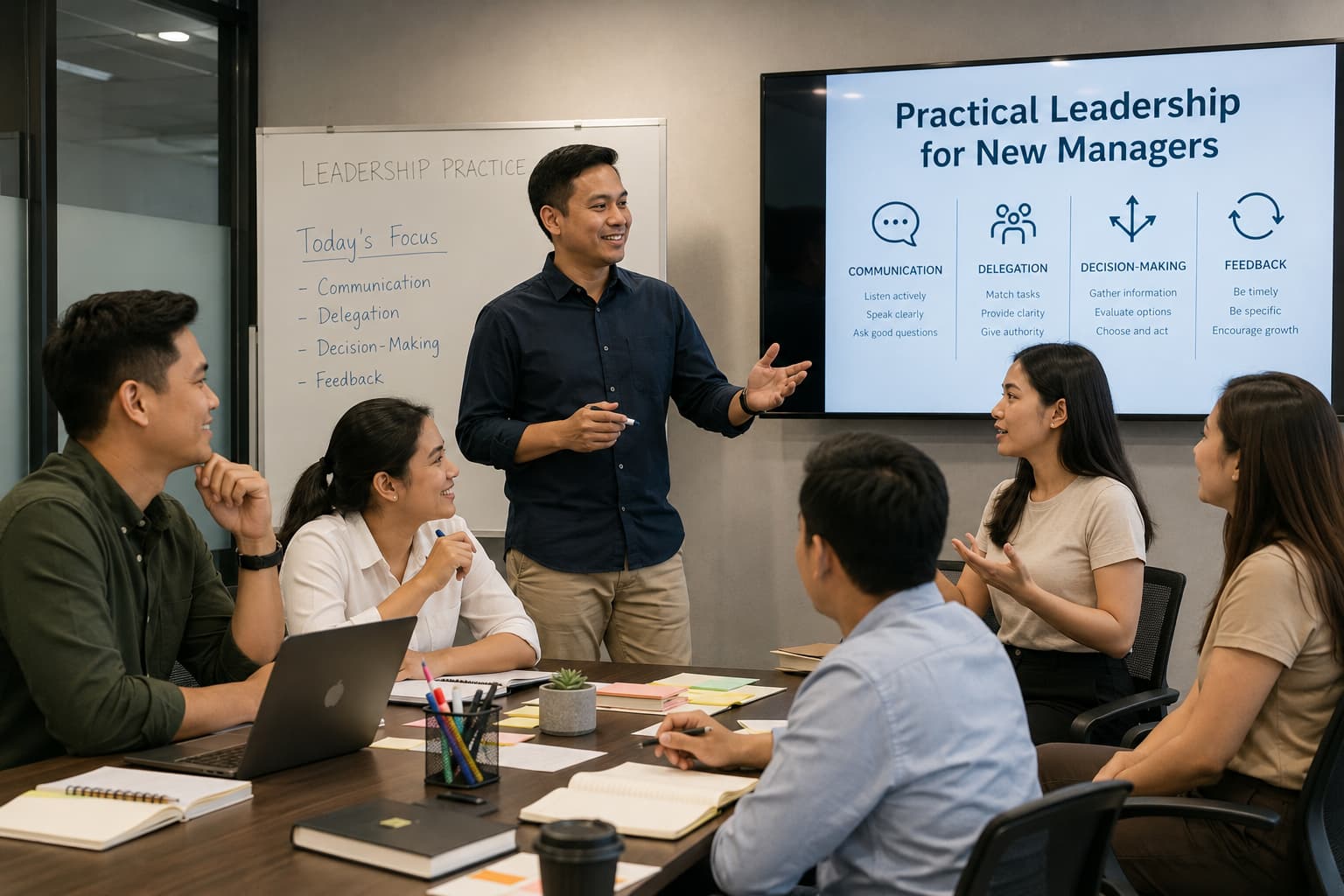
Effective leaders observe, listen, and respond to team cues. Mirror neurons support trust and empathy, while clear communication and consistent behavior reduce cognitive load. This alignment keeps teams focused on problem-solving rather than stress and confusion.
Strengthen Leadership and Communication
Lead like a brain whisperer. Keep instructions short, model behaviors, and actually listen.
Techniques like mirroring, reframing challenges, and pattern-based communication help leaders build trust and clarity.
The result? Brains synced, cognitive load down, and teams actually hearing you instead of guessing.
Enhance Collaboration and Team Alignment
No more siloed neurons. Huddles, collaborative boards, and mini “brain jams” keep mental maps aligned.
Encourage cross-team problem-solving and exercises that strengthen social cognition, empathy, and creative connections.
Teams that practice active communication and shared context move faster, think better, and innovate more.
Shape a Culture That Supports Growth and Flexibility

Culture shapes how work actually gets done. A brain-friendly environment builds psychological safety, so employees can ask questions, experiment, and learn without fear. This lowers stress, supports creativity, and helps teams stay engaged, collaborative, and open to growth.
Build a Pro-Employee Culture and Work Environment
Brains love safety, curiosity, and recognition. Celebrate wins, normalize questions, and make experimentation the norm.
When employees feel supported and psychologically safe, stress triggers drop, creativity spikes, and learning sticks.
This is the kind of culture that makes brains—and people—shine.
Leverage Technology to Enhance Productivity
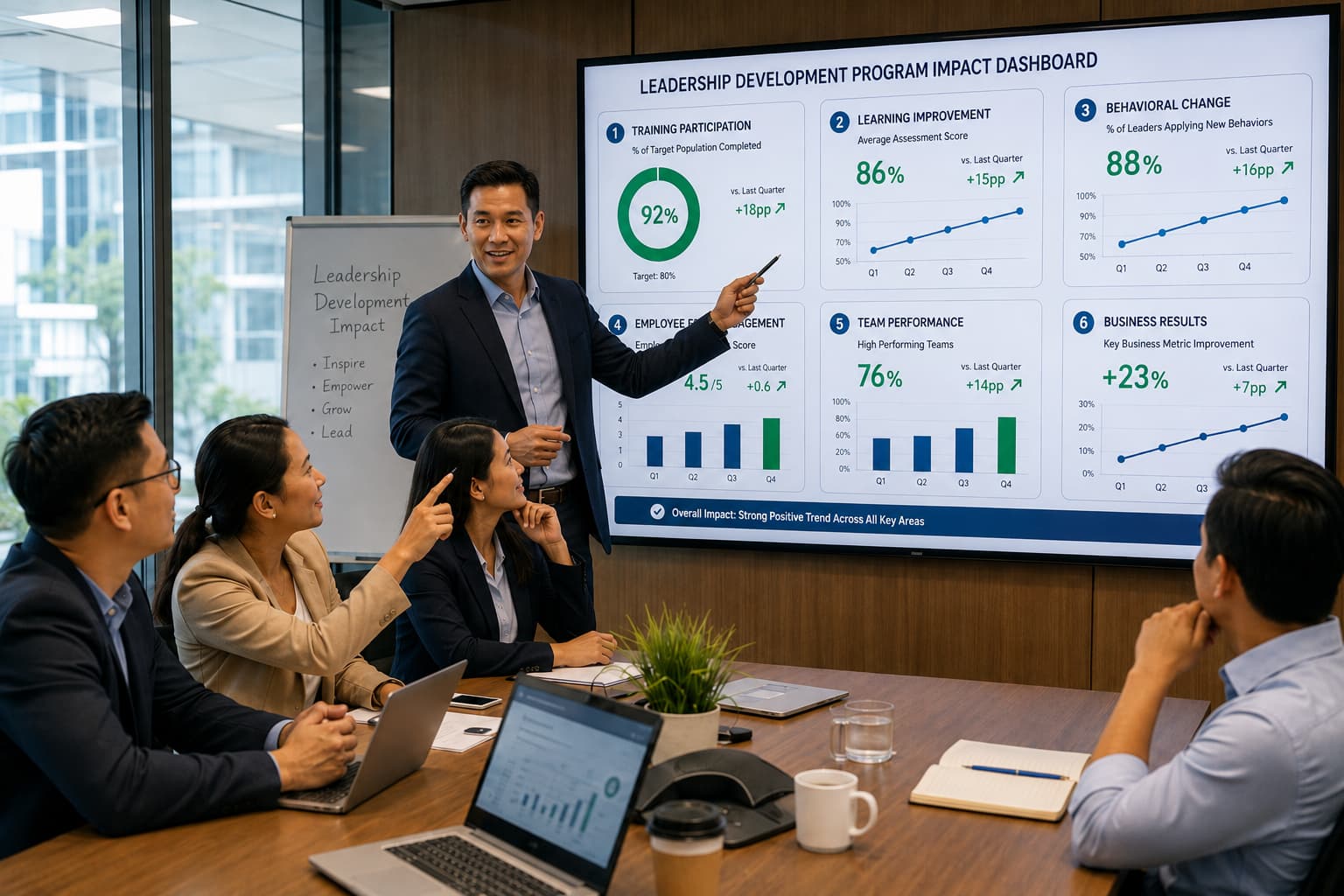
Let tech carry the boring mental baggage. Automate repetitive tasks, centralize info, and use dashboards to track progress.
Freeing cognitive bandwidth lets teams focus on creative, high-value work instead of juggling spreadsheets in their heads.
Smart tools + brain-friendly workflows = more time for flow-state brilliance.
Maximize Employee Potential with TrainStation
All these strategies make sense, but applying them amid daily demands is the real challenge. That is where TrainStation comes in.
We act as a practical neural coach for your organization, helping leaders sharpen communication, strengthen motivation, and build behaviors that last. Through hands-on, NLP-informed workshops, we translate brain science into clear, repeatable actions that improve focus, collaboration, and creative problem-solving.
Simply put, we help teams apply what works, so performance improves where it matters most.
Key Takeaway
Here’s the neuroscience truth: brains thrive on clarity, challenge, and choice. When employees know their roles, see the impact of their work, and have room to stretch, dopamine circuits fire, focus deepens, and motivation becomes self-reinforcing.
That’s why understanding how to improve workforce effectiveness in the company isn’t just an HR metric—it’s a brain strategy. Ready to unlock your team’s full potential? Contact TrainStation today, and start turning brain science into real-world results.