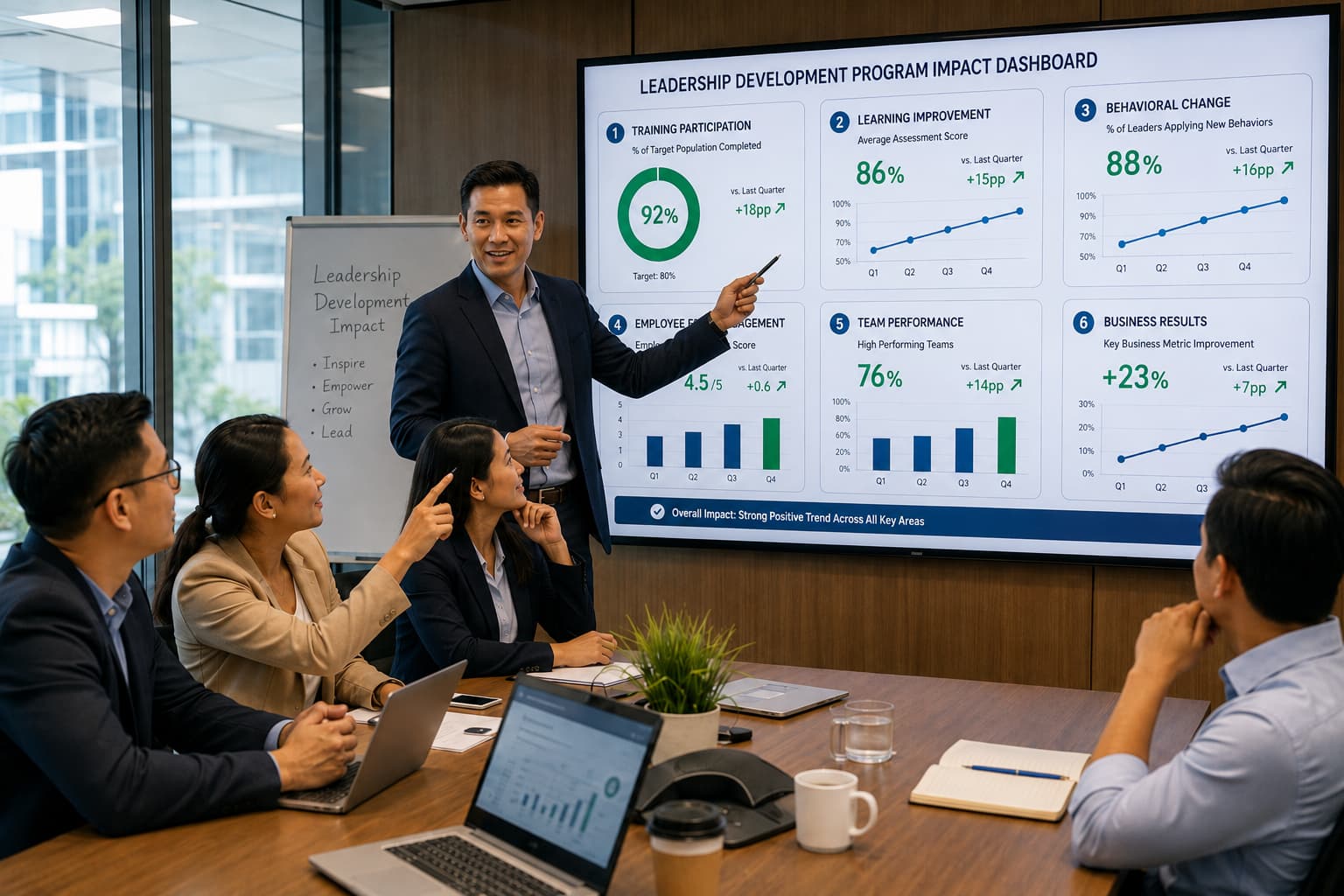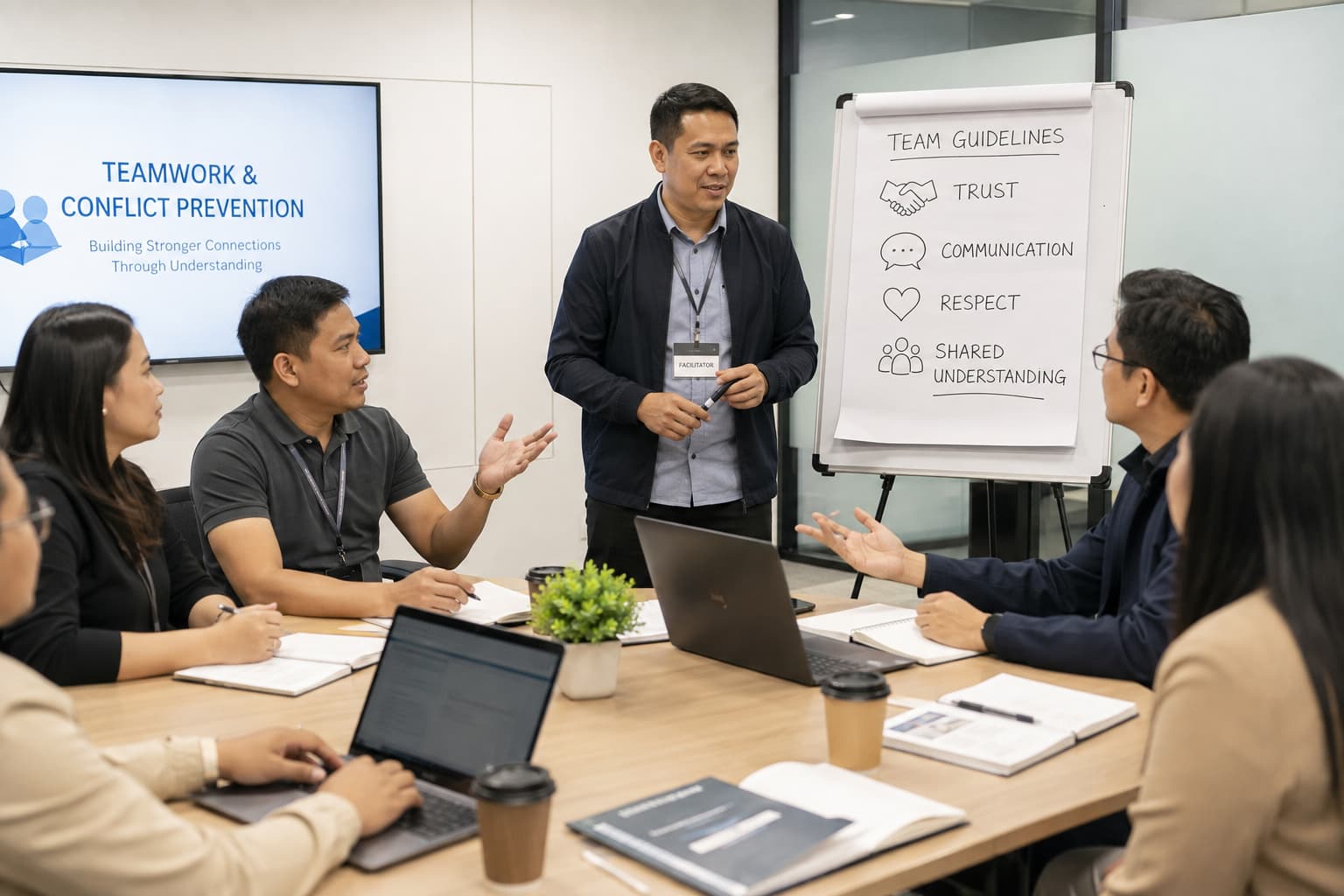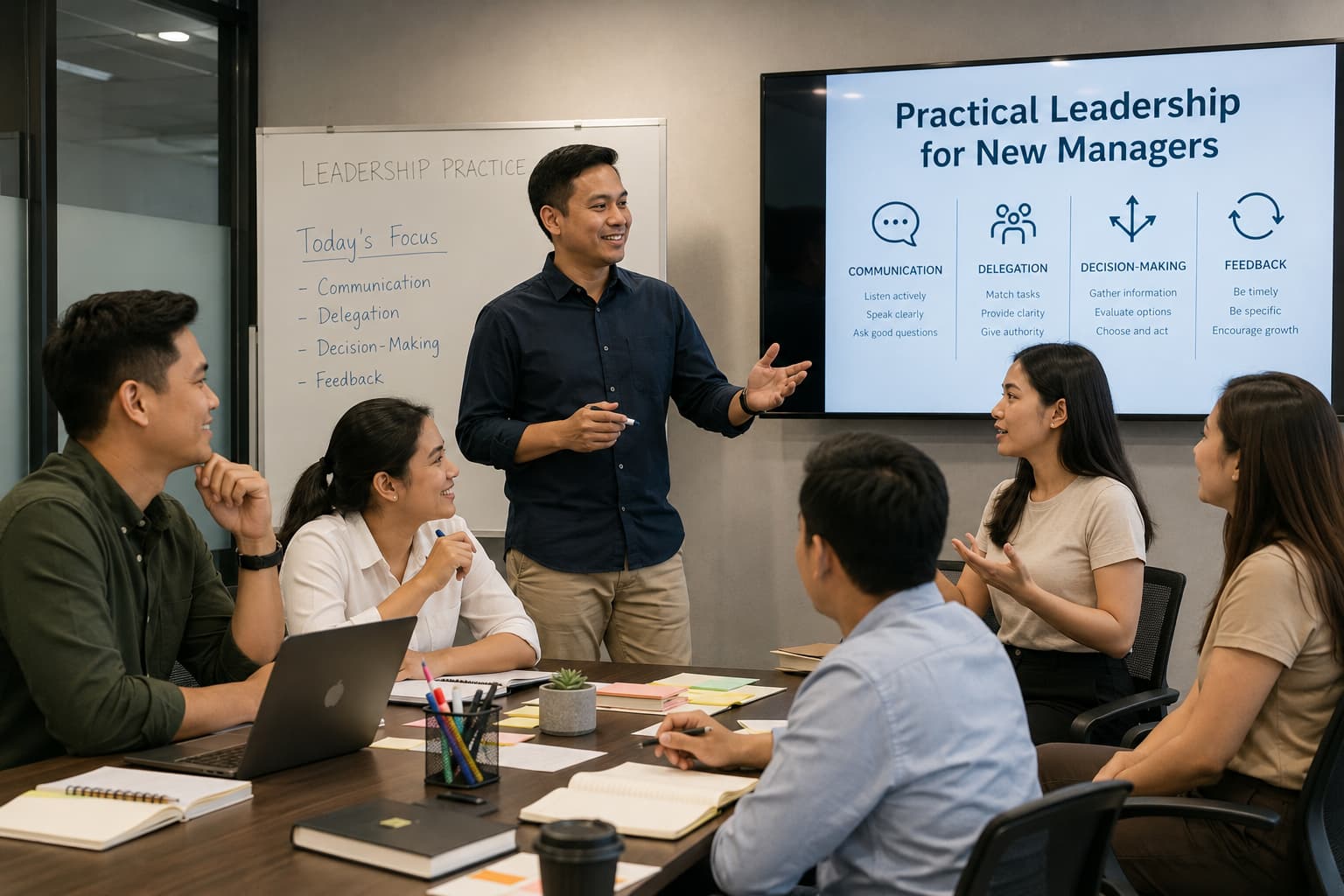

What are the reasons why many young professionals struggle without leadership training?
- Promotion based on tech, not leadership
- Cultural barriers
- Generational and digital gaps
- Unclear expectations and feedback
- Desire for meaning
Overview
- This article examines why young professionals in the Philippines struggle in leadership roles without formal training.
- It highlights promotion gaps, cultural barriers, generational tensions, unclear expectations, and a lack of purpose.
- It emphasizes emotional intelligence, adaptability, mentorship, and structured development through programs like those offered by TrainStation.
Many young professionals in the Philippines enter the workforce with strong technical skills, yet struggle as soon as their roles demand influence, judgment, and people leadership. The issue isn’t intelligence or ambition. It’s that the brain is being asked to operate in high-stakes social and decision-heavy environments without the leadership training to do so effectively.
Understanding why many young professionals struggle without leadership training in the Philippines reveals a deeper gap. Many overlook that leadership requires the ability to regulate thinking, manage emotions, and respond intentionally in workplace situations.
This article outlines the key reasons leadership training matters.
Promotion Based on Tech, Not Leadership

In the Philippines, career progression is often tied to tenure rather than the actual competencies required to lead. This becomes problematic because, beyond technical know-how, professionals must be able to connect with their teams toward shared goals.
Without people-centric abilities, coordination suffers and organizational growth stalls. This highlights the critical need to invest in leadership training early on, ensuring that future leaders are equipped to guide teams effectively.
Cultural Barriers
Certain cultural traits instilled in Filipinos while growing up can become barriers to workplace growth. A common example is pakikisama—the tendency to prioritize harmony over honesty. In professional settings, many feel the need to stay on good terms with colleagues they interact with daily.
However, this often comes at a cost: avoiding confrontation when performance falls short of organizational standards. Out of fear of being labeled a difficult or harsh teammate, some choose silence even when issues arise. This reluctance to address problems directly leads to poor communication.
Generational and Digital Gaps
In today’s workplace, the gap between generations is more evident than ever. This is especially challenging—frustrating even, especially in cases when values don’t align.
Adding to this is the varying comfort level with technology—while some employees adapt quickly to digital tools, others prefer traditional methods. This imbalance can disrupt workflows and create friction between seniority and proficiency.
When issues like this pile up, it releases stress hormones. As a response, people’s behavior becomes reactive. It then narrows judgment, reasoning, and perspective, which significantly impact the working relationship within a team.
Unclear Expectations and Feedback
When expectations are vague and feedback is inconsistent, many professionals struggle to form clear mental models of success. This ambiguity activates uncertainty responses. As a result, employees would resort to frequent second-guessing, which can influence work motivation down the road.
Structured leadership programs can bridge this gap by teaching goal‑setting, feedback interpretation, and performance alignment. With these tools, professionals gain the confidence to take initiative and make decisions that support organizational objectives.
Desire for Meaning
Motivation is a key driver of performance, but the reasons behind it vary from one person to another. What remains consistent, however, is what happens when a sense of purpose is lost.
Without meaning, the brain’s reward system becomes unstable. Dopamine, which fuels motivation and sustained effort, is released inconsistently, causing work to feel draining even for high performers.
This problem makes it difficult to channel energy into actions that motivate teams and deliver results. Over time, this disconnect weakens initiative and limits leadership effectiveness.
What Young Professionals Need to Thrive

Your team can thrive when they have access to growth opportunities, supportive networks, and a clear sense of purpose. Here are some skills they need to master to unlock their potential as future leaders.
Emotional Intelligence and Communication
The ability to understand one’s own emotions and recognize the cues of others is essential for building stronger relationships and fostering team dynamics. At Trainstation, our training includes NeuroLinguistics Programming (NLP) techniques that will teach participants how to effectively match body language and enable interpersonal interactions.
Adaptability to Navigate Work Conditions
Shifts in organizational priorities, evolving technologies, and unexpected challenges demand flexibility in how tasks are approached and completed. Those who can adjust quickly to new conditions not only maintain productivity but also demonstrate resilience and problem‑solving capacity.
Coaching and Mentorship
Every professional journey begins at the bottom, taking small, uncertain steps much like learning to walk. In these early stages, guidance is essential. Mentors and coaches help stabilize thinking and reinforce confidence, allowing young professionals to develop competence with clearer intent.
Clear Purpose
When professionals understand how their role connects to the bigger picture, they gain direction and motivation that drive consistent performance. At TrainStation, we believe that purpose is the “fuel” for the engine of productivity. So, we help you visualize your purpose to ignite your intrinsic drive not only for self-growth but also for organizational vision.
Key Takeaway
For professionals ready to level up their leadership skills and unlock career growth, TrainStation Philippines offers dynamic, neuroscience-backed training programs that build communication mastery, team synergy, and leadership excellence.
Our expert facilitators use engaging methodologies to ensure lasting impact and real-world application. Contact us today to start your leadership development journey with programs tailored to your growth goals.