How do HR gaps affect employees?
- Reduced engagement and productivity
- Increased burnout and turnover
- Decreased morale and trust
- Inefficiency and frustration
- Stifled growth
Overview
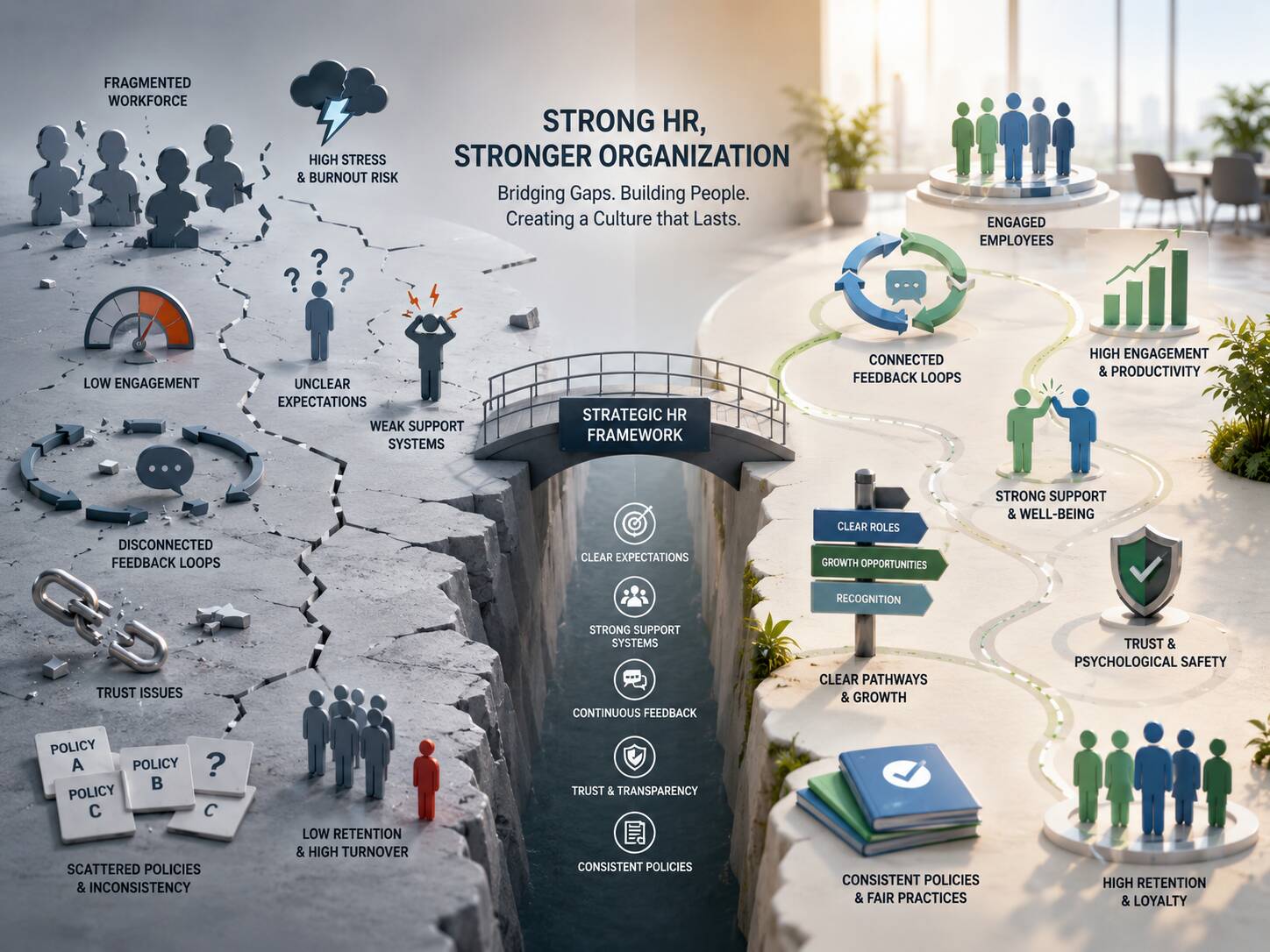
- HR gaps disrupt brain-friendly workplaces, leading to increased stress, cognitive overload, and disengagement due to unclear roles, inconsistent feedback, and poor support.
- This fuels burnout, turnover, low morale, inefficiency, and stifled growth by weakening reward pathways, neuroplasticity, and social trust.
- Train Station counters these with team-building facilitation, restoring transparency, collaboration, and adaptive learning to thrive.
Human Resources is at its core about people—both employees and employers. When HR processes fail to center on human needs, gaps emerge: unclear expectations, inconsistent feedback, or weak support systems. These lapses trigger the brain’s stress responses, which elevate cognitive load, making staff feel overwhelmed, anxious, or disengaged.
By creating a humanistic HR framework and leadership training in the Philippines, consultancy associates help both sides of the workplace operate under brain-friendly conditions, reducing stress and reinforcing a culture of trust and shared purpose.
Learn how HR gaps affect employees.
Reduced Engagement and Productivity
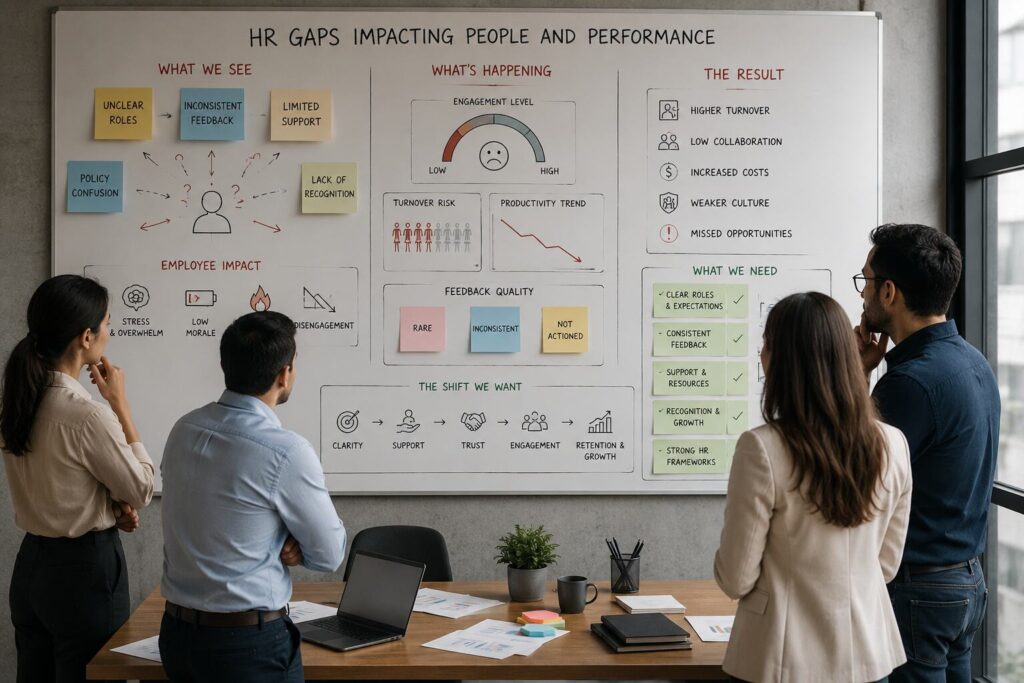
When HR gaps leave employees without regular feedback, recognition, or clarity about their roles, the brain’s reward pathways remain underactivated. Dopamine, the neurotransmitter affiliated with motivation and goal-directed behavior, depends on predictable reinforcement to maintain engagement. Without this, employees experience diminished drive and focus, and slower decision-making, which affects productivity.
Unclear responsibilities and inconsistent HR practices also increase cognitive load, forcing the brain to constantly switch between tasks and monitor potential errors. This heightened mental effort not only tires people faster but also reduces creativity and problem-solving capacity.
Increased Burnout and Turnover
Burnout is not simply about long hours; it is a neurological state driven by prolonged stress without proper recovery or perceived control. When employees feel they have little autonomy or recognition, activity in the brain’s reward circuitry declines. The prefrontal cortex, which is responsible for planning, decision-making, and impulse control, becomes less efficient under chronic stress.
As a result, individuals encounter mental exhaustion, decreased resilience, and low capacity to cope with challenges. This neurological fatigue signals as disengagement first, then withdrawal behaviors, and eventually resignation.
Decreased Morale and Trust
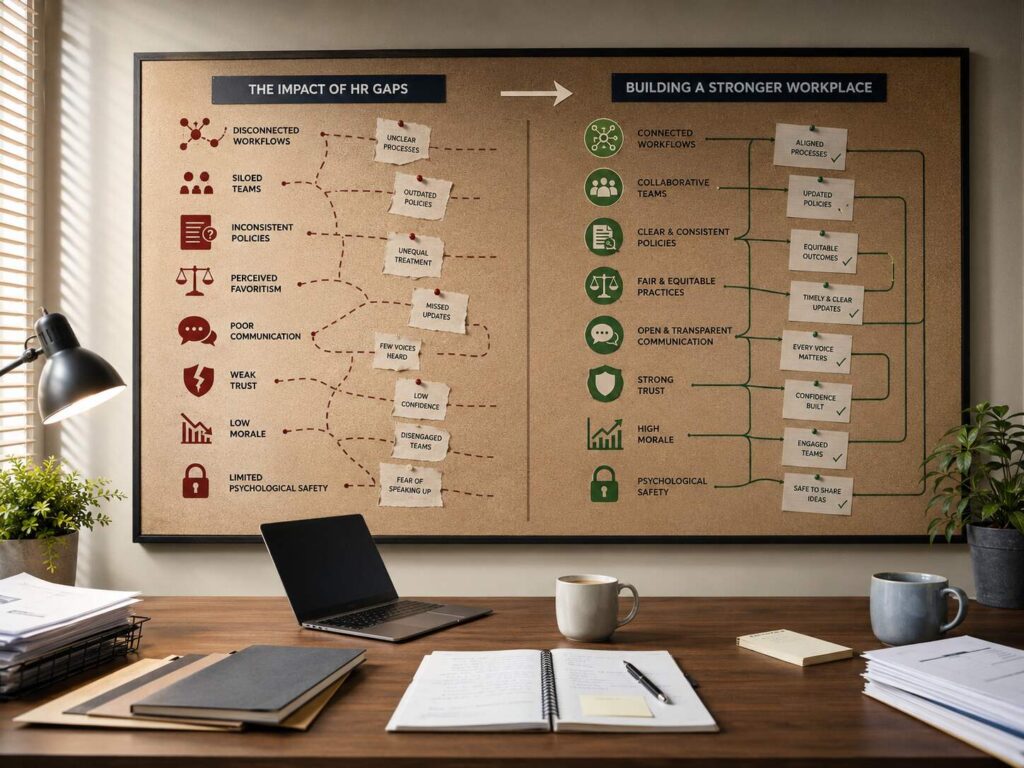
Trust and morale are deeply rooted in social neuroscience. The human brain is wired to constantly assess social safety, whether an environment is fair, predictable, and supportive. When HR gaps result in inconsistent policies, favoritism, unclear promotion criteria, or poor communication, the brain interprets these as social threats. Even subtle perceptions of injustice activate neural networks associated with pain and exclusion, much like physical discomfort.
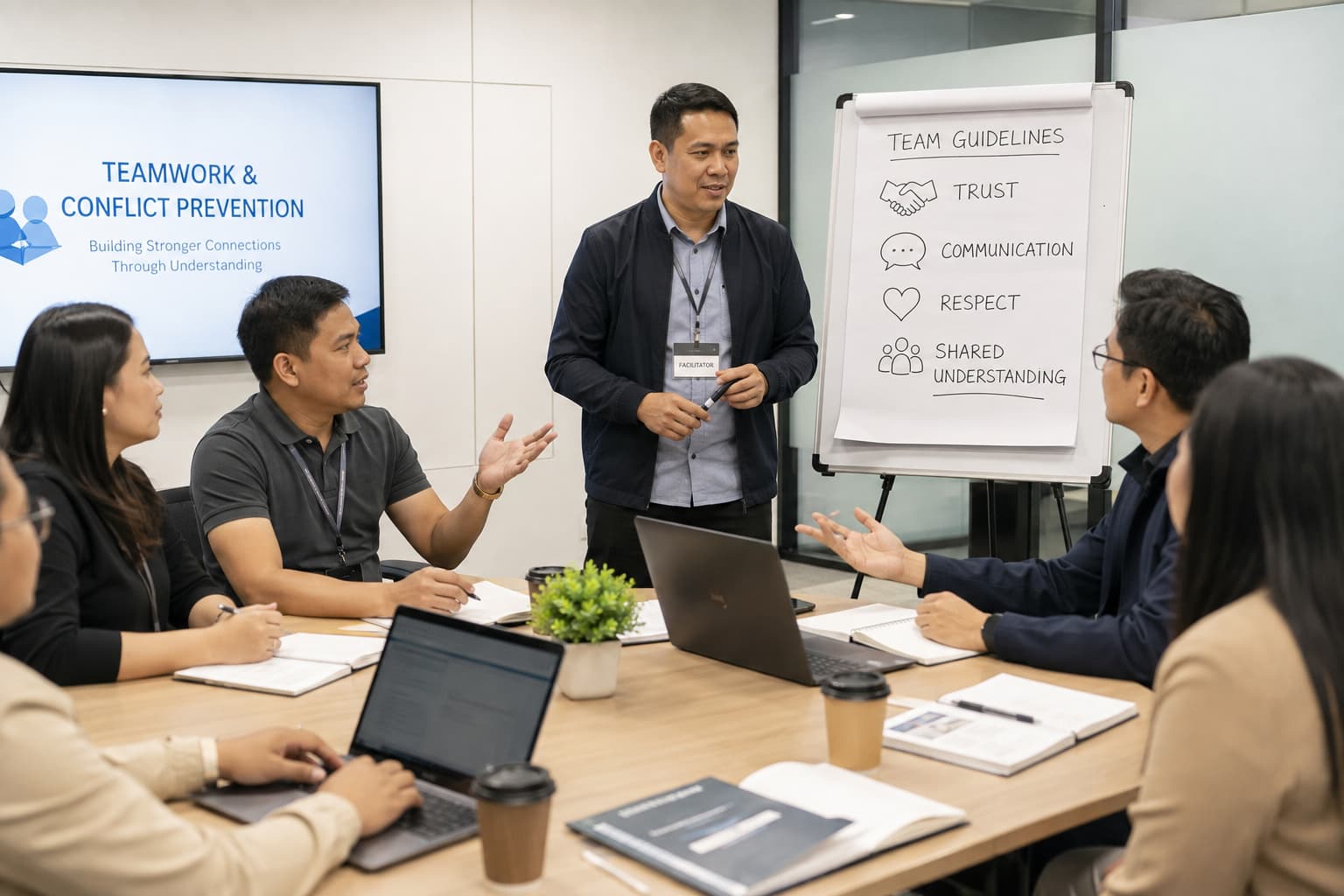
At TrainStation, we help organizations reestablish trust and morale through structured team-building facilitation. Our coaches and facilitators guide employees through collaborative exercises that reinforce fairness, transparency, and mutual understanding, enabling the brain to recalibrate from stress to safety.
By fostering environments where communication is clear, expectations are shared, and recognition is consistent, Train Station helps teams rebuild social bonds and a sense of belonging.
Inefficiency and Frustration
When HR gaps result in unclear workflows, duplicated roles, inconsistent approval processes, or undocumented policies, the brain is forced to compensate. One part of the brain that is highly engaged is the prefrontal cortex—accountable for executive function, planning, and decision-making.
Over time, this cognitive inefficiency produces frustration. Employees might reduce processing fluency—the ease with which the brain completes tasks—thereby lowering satisfaction and momentum. Work feels heavier than it should.
For executives, this manifests as decision fatigue. Without structured HR frameworks, leaders repeatedly resolve issues that should have clear procedural pathways. Each unresolved ambiguity adds to short-term patience and lasting planning capacity.
Stifled Growth
Organizational development relies on the brain’s capacity for adaptation. At a neurological degree, growth is driven by neuroplasticity—the brain’s ability to form and strengthen new neural connections through challenge, feedback, and progressive learning. When HR gaps restrict these pathways, fail to provide structured feedback, or leave career progression undefined, this adaptive system weakens.
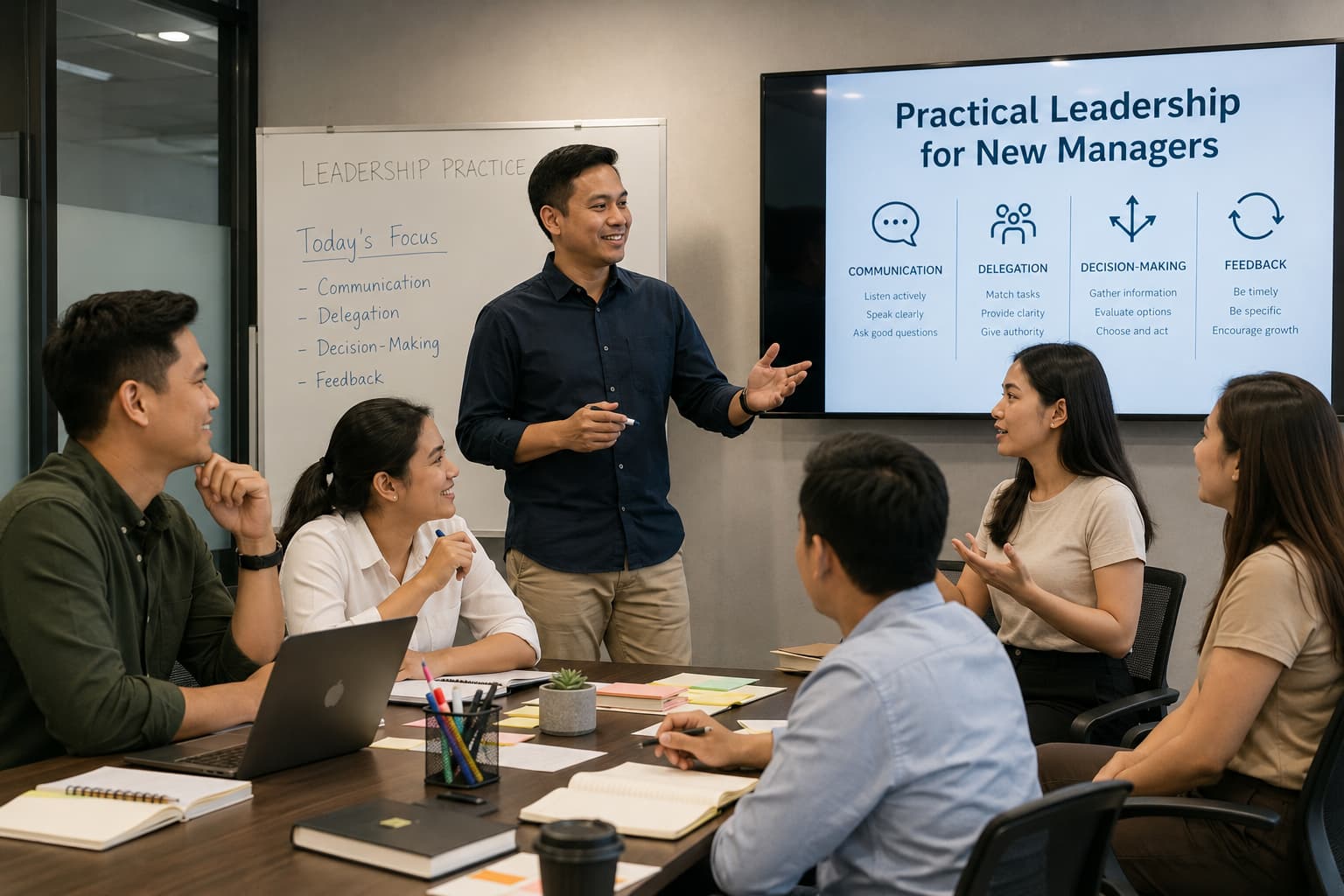
At TrainStation, the team building facilitator in the Philippines, we help organizations reignite growth by designing team-building and facilitation programs that provide structured feedback, skill-development exercises, and clear opportunities for progression. Our experts support employees through experiences that make connections between current effort and future impact tangible, reactivating the brain’s adaptive learning mechanisms.
With us, you can ensure your employees stay engaged in growth, build initiative, and contribute to sustainable organizational expansion.
Specific Areas of Impact
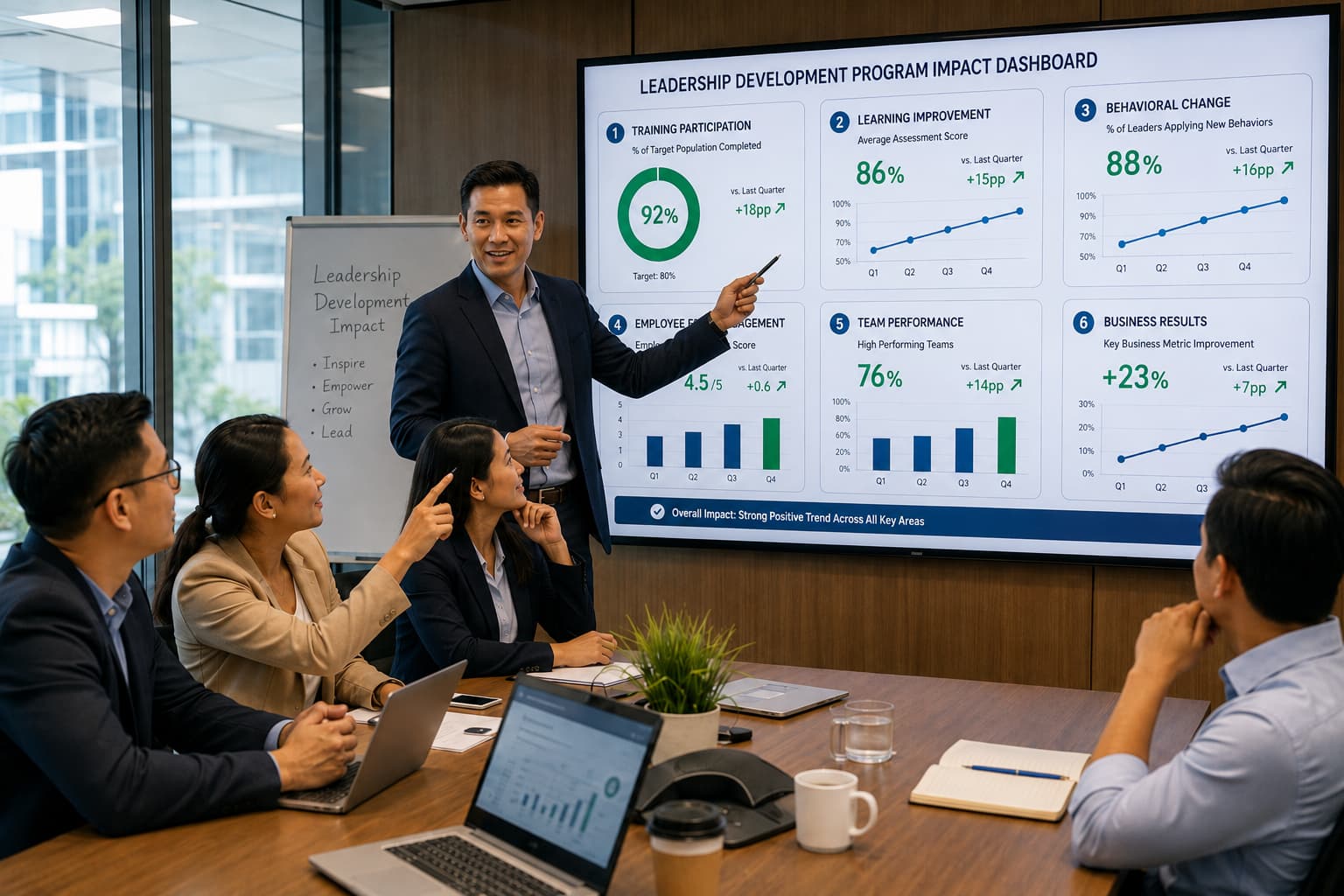
In this section, we’ll break down HR shortcomings that most strongly influence engagement, retention, productivity, and culture, and how addressing them can create measurable impact.
Recruitment
When HR processes are disorganized or poorly structured, recruitment suffers. Delays in hiring, unclear job descriptions, and inconsistent candidate experiences can trigger stress and uncertainty for applicants, reducing their motivation and interest.
Performance
Without structured guidance, the brain’s reward system, driven by dopamine, receives fewer indicators of fulfillment, lowering motivation and engagement. Ambiguity in expectations and inconsistent reviews also maximize bad stressors, which impair focus, decision-making, and problem-solving.
Compensation
When compensation structures are unclear, inconsistent, or perceived as unfair, they trigger stress and frustration among employees. The brain interprets inequity as a social threat, activating the amygdala and increasing cortisol levels, which can reduce focus, motivation, and engagement.
Key Takeaway
Understanding how HR gaps affect employees is critical for leaders who want teams that perform, stay motivated, and grow together. Recognizing these effects allows leaders to take proactive steps to close gaps and create a workplace where employees feel valued, supported, and aligned with organizational goals.
At TrainStation, we specialize in designing team-building facilitation and HR-focused solutions that restore trust, strengthen engagement, and build resilient organizational cultures. With our expert guidance, organizations can implement structured frameworks, mentorship programs, and interactive experiences that drive alignment, morale, and measurable results. Contact us today to learn more!