Overview
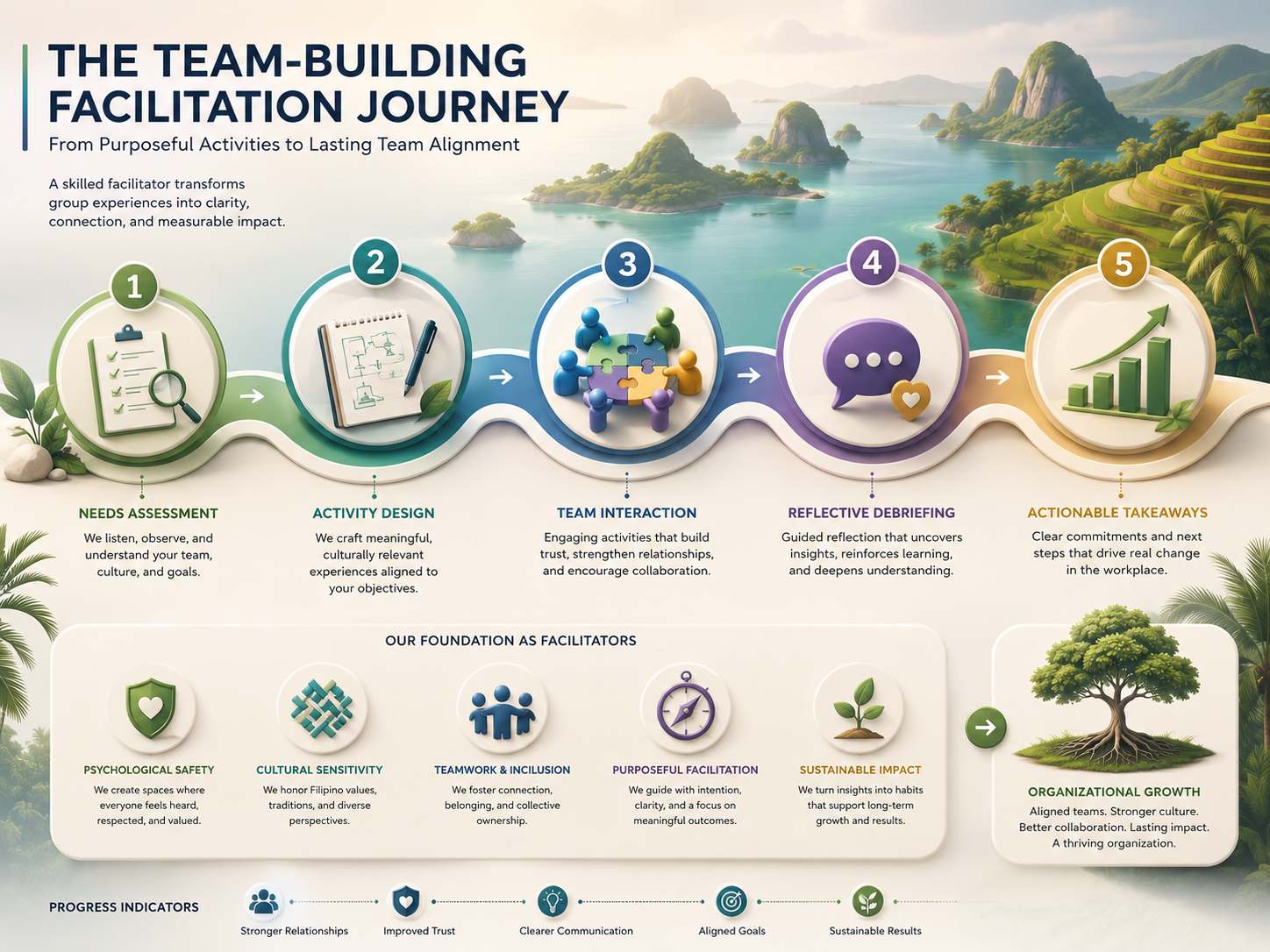
- A successful Filipino team-building facilitator goes beyond games, using pre-event assessments to customize programs for diverse school faculties. They ensure psychological safety through high-energy icebreakers, interactive challenges, and cultural nuance.
- Through reflective debriefing and post-event reporting, TrainStation’s brain-based facilitation transforms insights into actionable workplace habits, fostering lasting organizational alignment.
A successful team building session is not only about fun and games. Behind every interactive activity, productive discussion, and memorable breakthrough is a facilitator who understands how people think, engage, and respond to shared experiences.
Educational institutions involve diverse personalities, generations, and departments that must work together under pressure while balancing student needs, operational demands, and institutional goals. That said, in this article, we discuss what to expect from a team building facilitator in the Philippines.
Pre-Event Needs Assessment
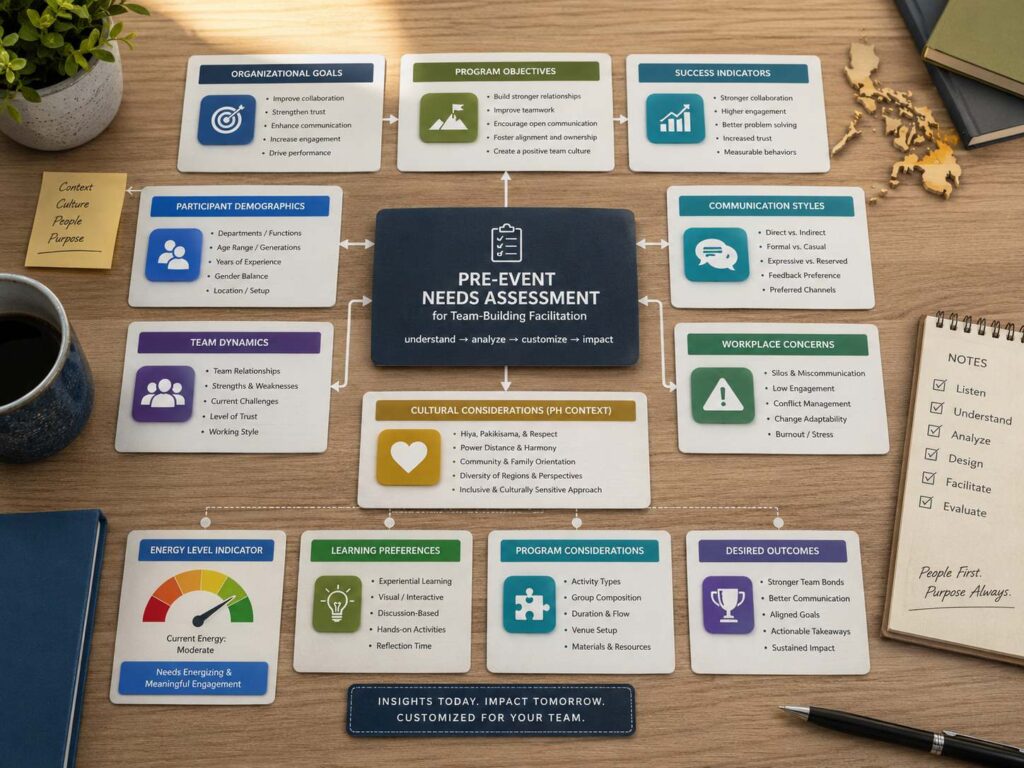
Adequate facilitation begins long before the actual event. Trainers invest time in understanding the organization’s objectives, concerns, and team dynamics to ensure that the tasks and discussions are purposeful.
Objective Setting
Rather than offering conventional activities, team-building leaders identify what the organization truly needs to improve, such as communication, leadership, or morale. This process matters because the human brain responds better to experiences with clear direction and meaning.
When participants understand the purpose behind exercises, engagement becomes more intentional and emotionally relevant. These objectives may include enhancing coordination between departments, minimizing workplace tension, or strengthening collaboration among faculty and administrative staff.
Program Customization
In schools, a skilled facilitator creates the program based on the participants’ demographics, personalities, energy levels, and organizational culture. This is especially important because faculty associates, administrators, and support staff have various communication styles and comfort levels. Some teams respond well to high-energy camaraderie, while others benefit from reflective discussions and structured interaction.
Customization also supports psychological safety. Neuroscience shows that people participate more openly when they feel the environment matches their comfort level and social expectations.
The Core Program
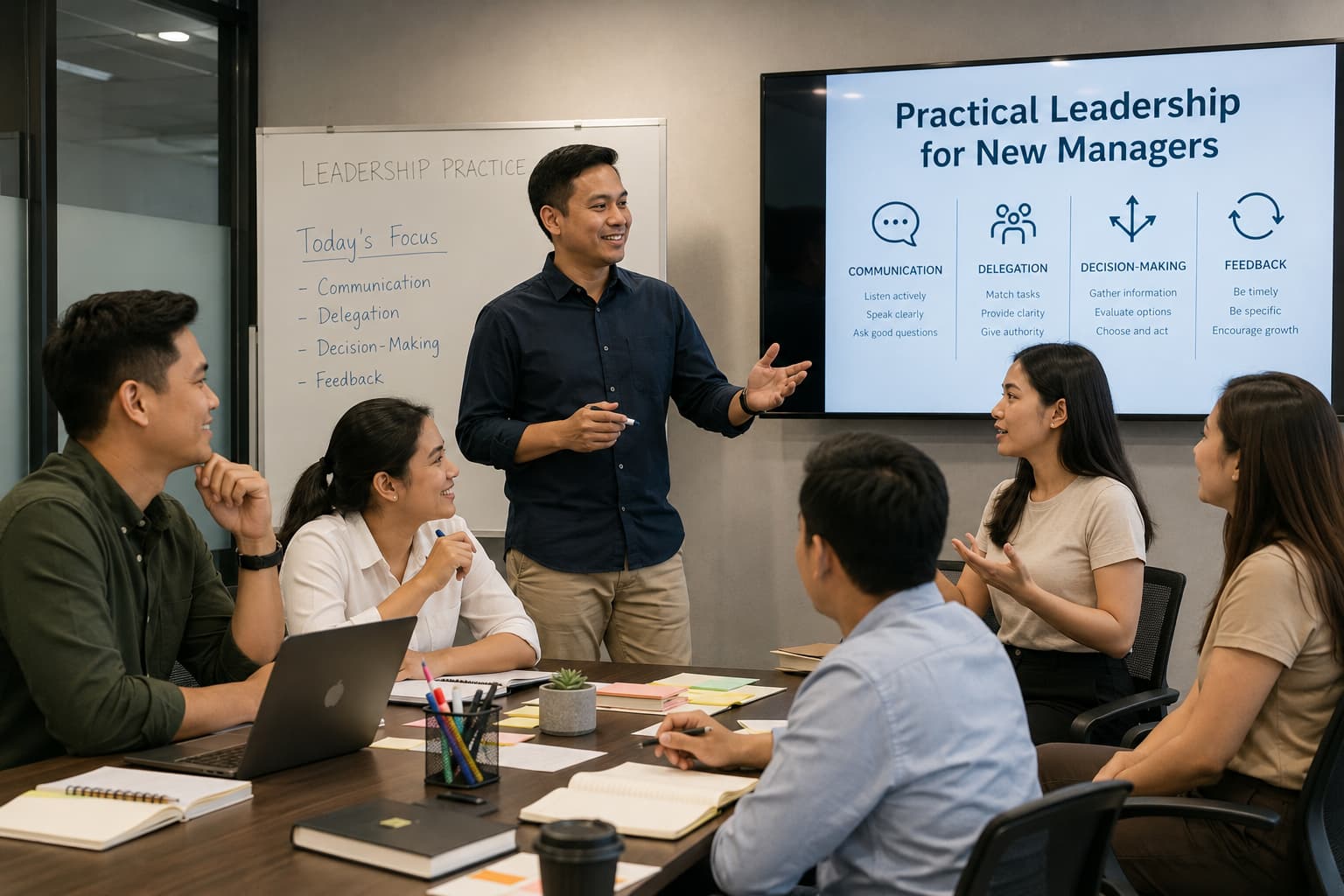
The actual event is where facilitation techniques come to life. Experts should balance energy, structure, and reflection to ensure that every activity contributes to team growth rather than simple entertainment.
High-Energy Icebreakers
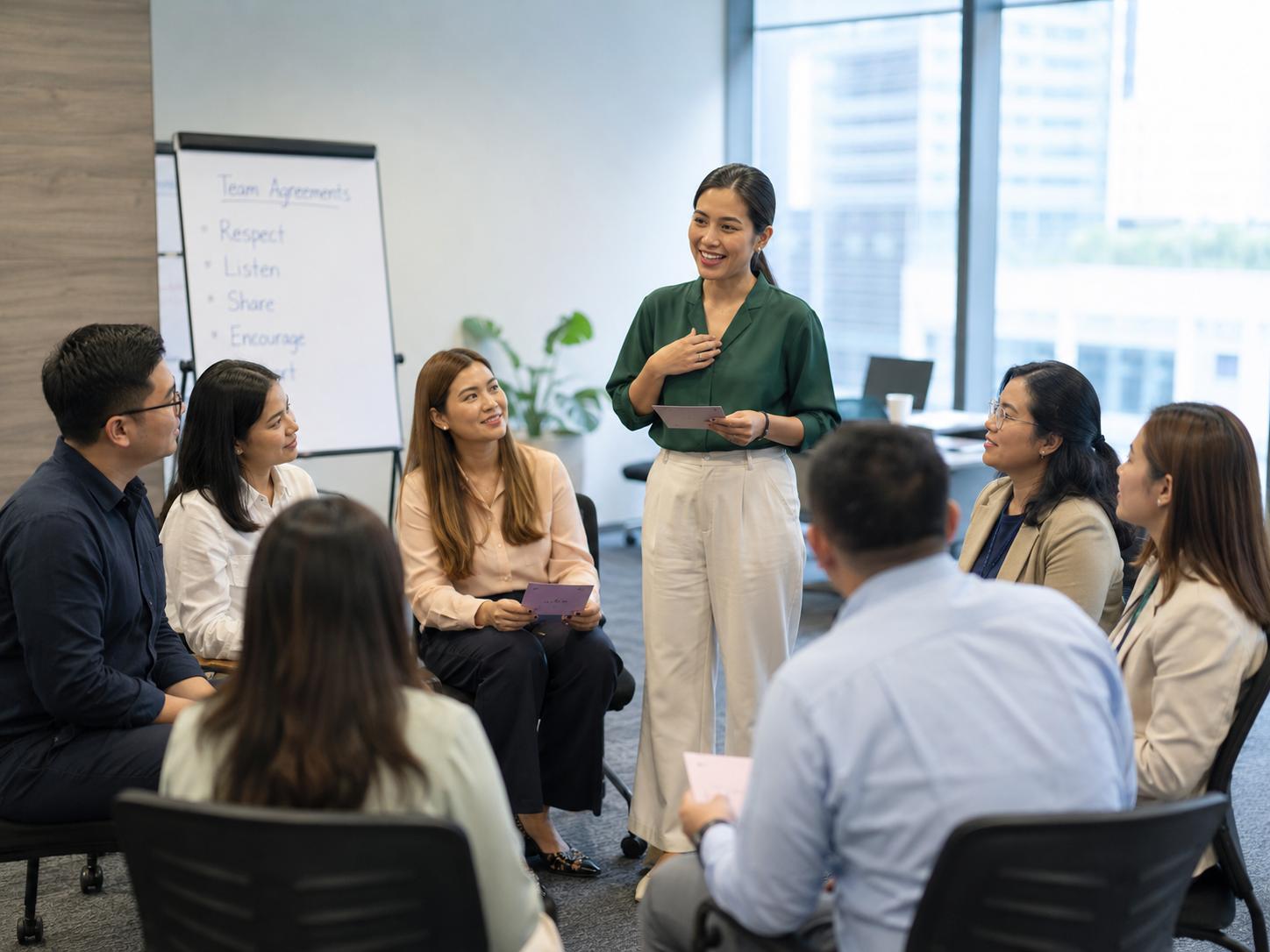
Icebreakers are made to minimize social tension and encourage interaction among participants who may not normally interact with one another. These activities help activate positive emotional responses, making people feel more comfortable contributing during the session.
At TrainStation, our trainers and coaches use well-structured icebreakers that go beyond surface-level fun. Exercises are intentionally created to promote participation, stimulate collaboration, and create experiences that strengthen group connection. By helping audiences feel psychologically safe early in the session, TrainStation facilitators create an environment in which communication becomes more natural and open.
Interactive Challenges
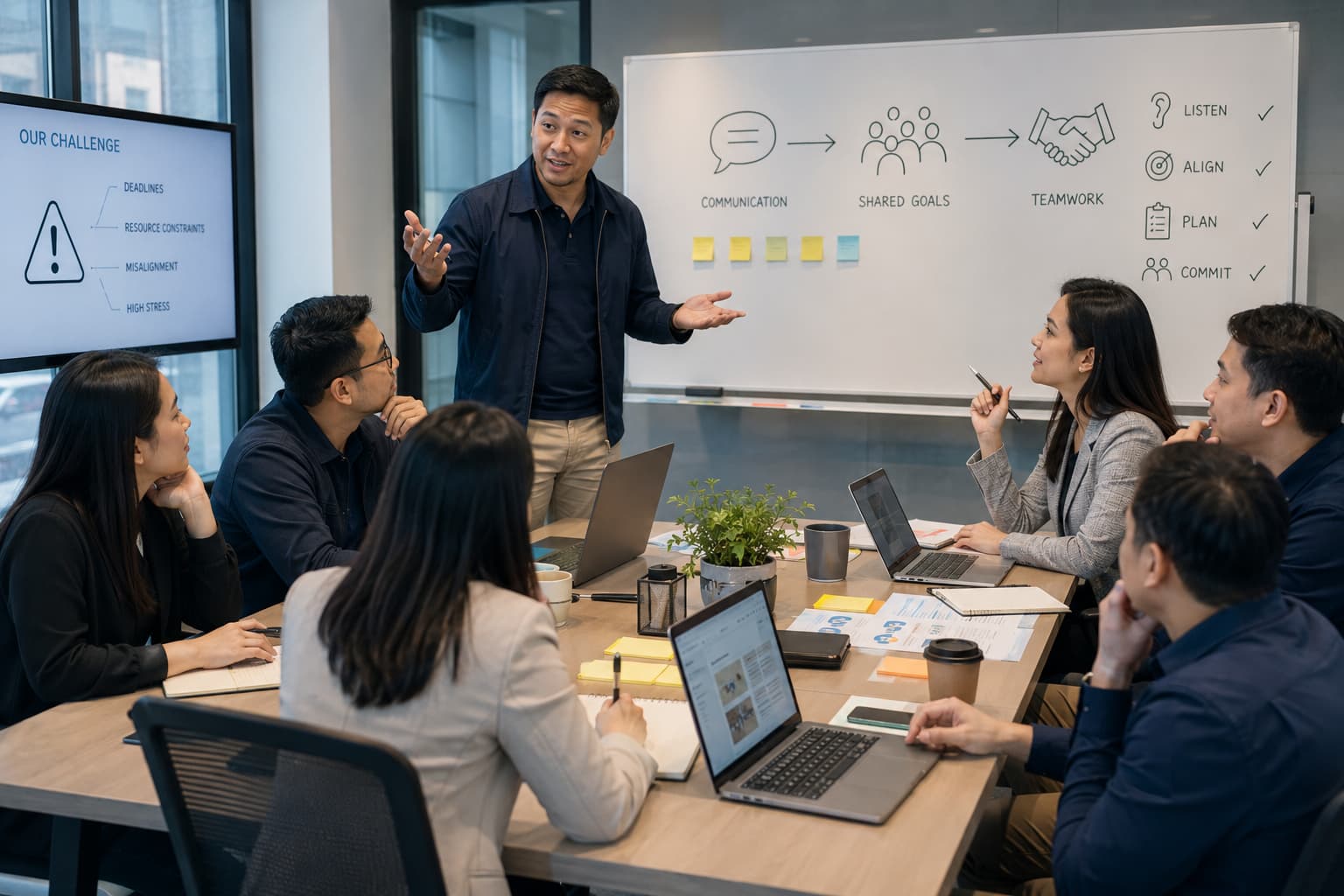
These challenges surface authentic workplace dynamics such as leadership patterns, communication gaps, and individual approaches to problem-solving. Through structured prompts and guided group processing, coaches help participants identify how their behaviors affect overall team performance.
Facilitators at TrainStation are trained to engage a wide range of groups, including academic leaders, faculty members, student organizations, and administrative teams. Delivery is intentionally tailored to each audience’s communication style, ensuring that activities remain inclusive, engaging, and focused on development outcomes.
Cultural Nuance
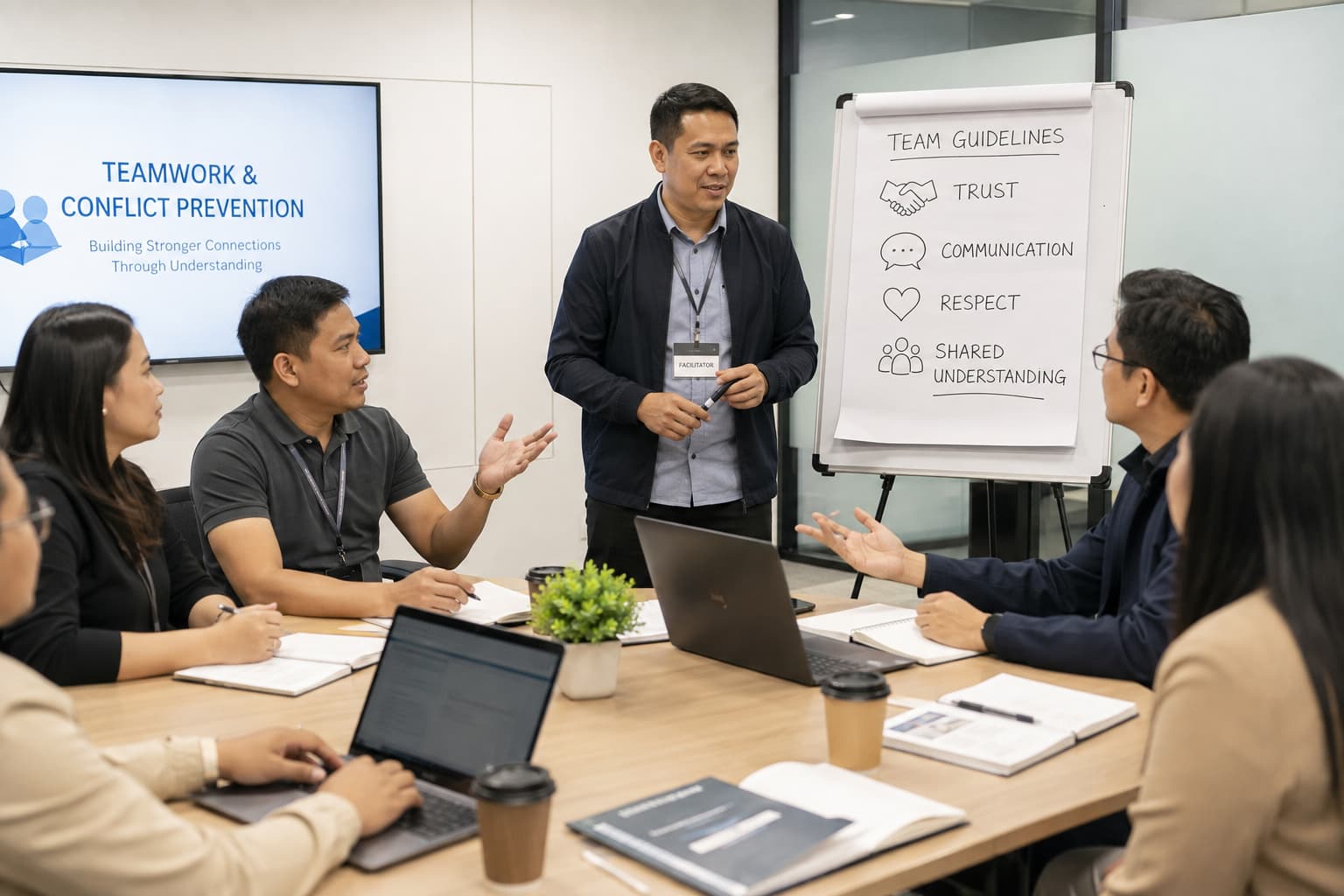
Filipino teams value harmony, respect, and interpersonal relationships, which can affect how people express disagreement or feedback. Efficient trainers recognize these nuances and create spaces where participants can communicate honestly without fear of embarrassment or conflict.
This balance is crucial because people are more likely to contribute concepts and participate actively when they feel socially secure. By respecting cultural sensitivities while promoting healthy interaction, they help teams build stronger trust and more authentic collaboration.
De-Briefing and Processing
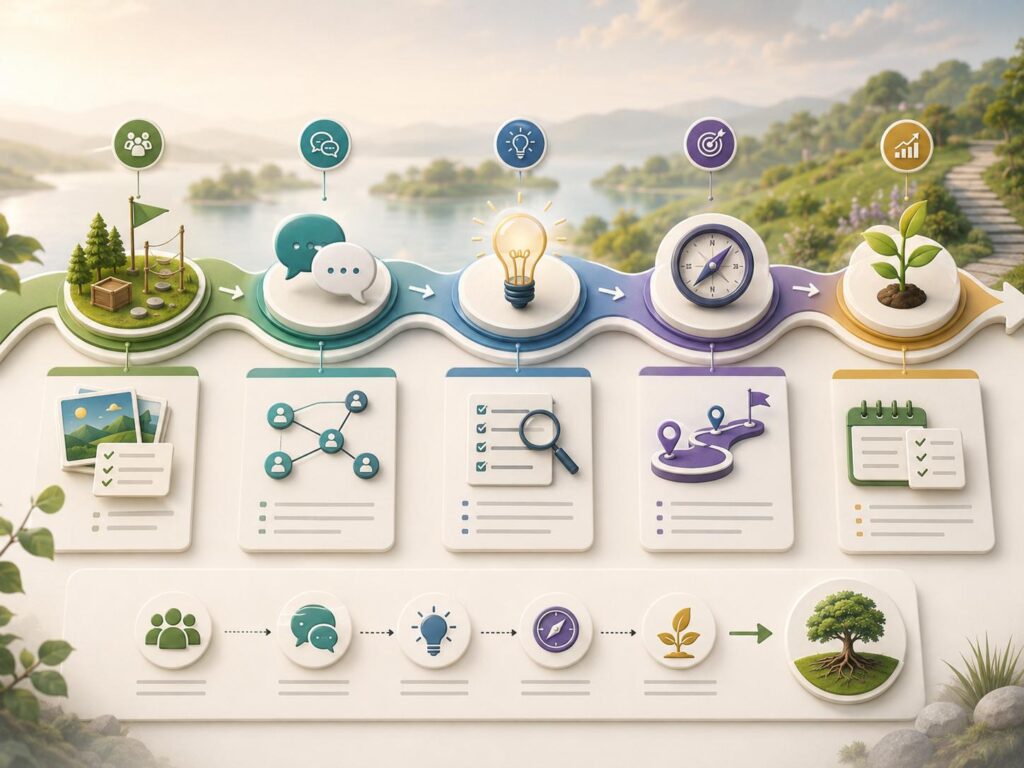
The real essence of team building occurs after the activity itself. Debriefing allows associates to process their experiences, reflect on team dynamics, and connect lessons to workplace scenarios.
The “Aha!” Moment
Through reflective questioning and group discussion, participants begin to identify patterns in communication, leadership, and teamwork independently. These moments are powerful because the brain retains information more adequately when individuals discover insights personally rather than passively receiving them.
In this regard, participants become more emotionally connected to the lesson, increasing the likelihood of a behavioral shift. These discussions, then, can uncover communication barriers, leadership concerns, or other challenges that may otherwise remain unaddressed.
Actionable Takeaways
Team building should produce results that extend beyond the event itself. This may include enhancing communication during meetings, establishing clearer review processes, or reinforcing interdepartmental collaboration. Concrete conclusions create consistency between the training environment and actual workplace behavior.
Ultimately, when participants leave with practical strategies rather than temporary motivation, team building becomes more sustainable and impactful.
Post-Event Evaluation and Reporting
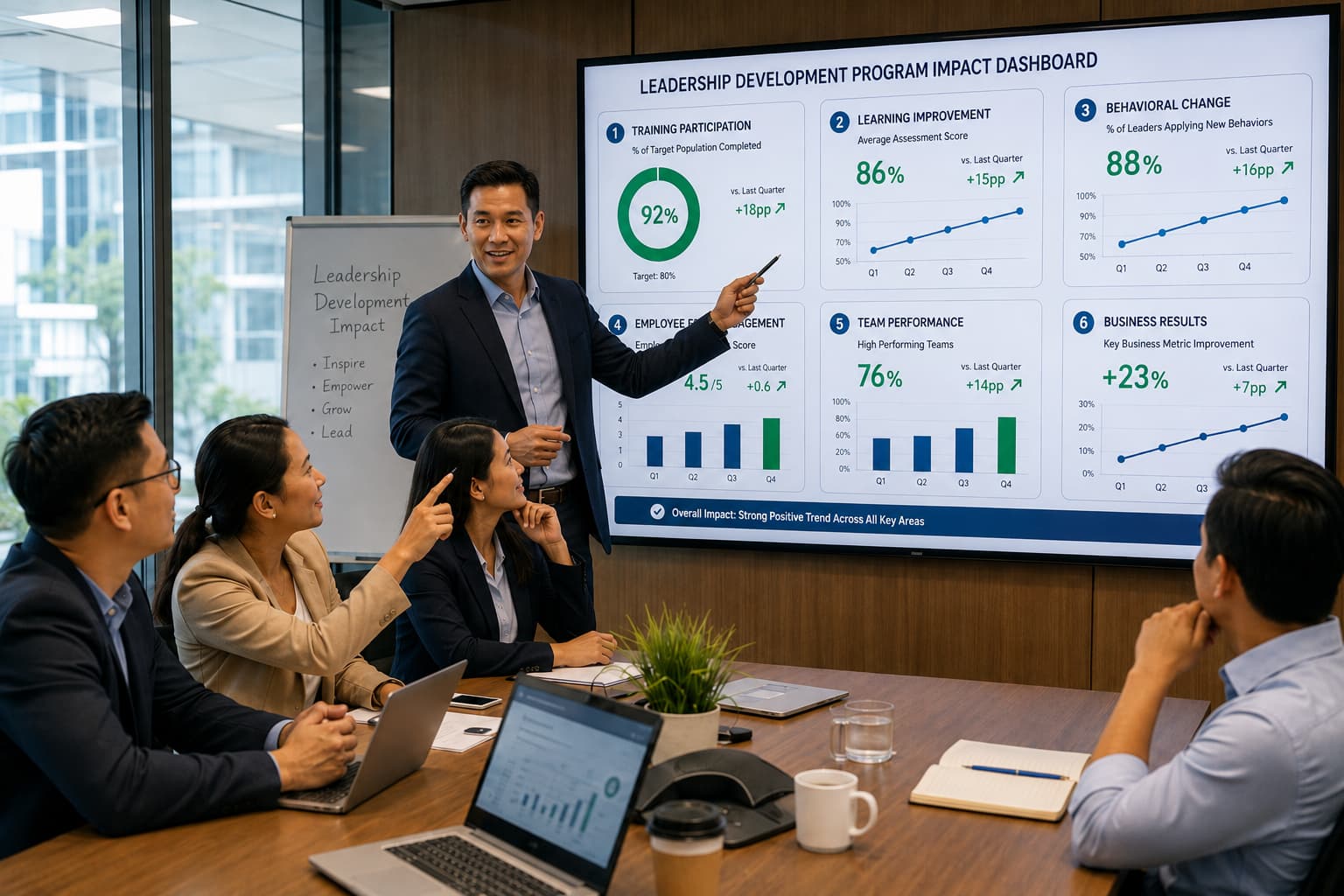
Many facilitators offer post-event assessments, observations, and suggestions based on participant behavior and team engagement during the session. These reports help organizations determine strengths, recurring difficulties, and opportunities enhancement.
In addition, these reviews also demonstrate accountability. Rather than treating team building as a one-time event, coaches help educational institutions view it as part of a wider effort to strengthen culture, collaboration, and performance.
Key Takeaway
Understanding what to expect from a team-building facilitator in the Philippines helps schools choose programs that go beyond temporary engagement.
At TrainStation, we design team building experiences that are interactive, brain-based, and tailored to the unique dynamics of your organization. Our facilitators work closely with teams to create psychologically safe environments where participants can connect, communicate, and grow together more effectively. Contact us today to learn how we can help your institution build stronger teams.